What Is Teak Wood Made Of? What Actually Happens
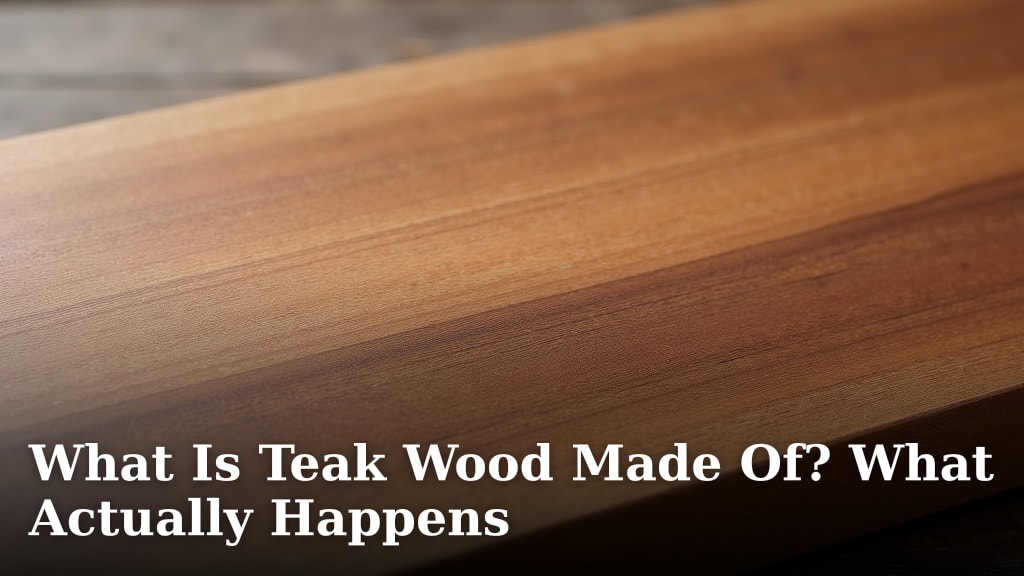
Teak wood comes from the Tectona grandis tree, a tropical hardwood native to South and Southeast Asia. What you’re looking at is the thick, inner heartwood, which is naturally packed with oils and silica. These unique properties make it incredibly durable and water-resistant right from the start.
This natural makeup is why teak has been used for ship decks, outdoor furniture, and boats for centuries. We found that its tight grain and high oil content fight off rot, insects, and even harsh weather. However, not all teak is equal. The quality depends heavily on the tree’s age and where it was grown.
- Teak is the heartwood of the Tectona grandis tree, famous for its natural oils.
- These oils make it naturally resistant to water, rot, and insects.
- The best teak comes from mature trees in specific climates.
- Modern teak is often graded by its grain pattern and color.
- Sustainability is a key factor in today’s teak market.
Below, we break down exactly where teak wood comes from, what happens during processing, and how to spot genuine, high-quality timber for your projects.
Understanding the Teak Tree and Its Special Wood
Teak wood is the heartwood from the Tectona grandis tree, but let’s break that down. The heartwood is the dense, inner core of the tree trunk. This is the part that’s no longer actively growing. As the tree ages, this core becomes packed with the substances that give teak its famous durability.
You can think of the heartwood as the tree’s permanent storage system. It holds the natural oils, resins, and minerals the tree collected over decades. This is why old-growth teak is so prized. It simply has more time to accumulate these protective compounds (Forest Products Laboratory, USDA).
The Tropical Home of Tectona grandis
The teak tree thrives in tropical climates. Native forests span India, Myanmar, Thailand, Laos, and Java. These regions provide the perfect mix of monsoon rains, high humidity, and dry seasons. This specific climate stress forces the tree to produce dense, oily wood as a survival strategy.
How Climate Shapes the Wood Grain
The wet and dry seasons cause the tree to grow in cycles. During the rainy season, it grows quickly, creating lighter-colored wood. In the dry season, growth slows, producing darker, denser grain lines. This alternating pattern creates teak’s distinctive, tight grain. It’s a visual record of the tree’s struggle and strength.
The Natural Chemistry That Makes Teak Tough
So, what’s actually inside teak that makes it so different from pine or oak? Two key components work together: natural oils and silica. These are not added later; they are grown directly into the wood’s cellular structure.
Natural Oils: Nature’s Water Repellent
Teak contains a high concentration of organic oils, including tectoquinone. Research shows these oils make the wood hydrophobic, meaning it actively repels water. This is why teak is the classic choice for boats and outdoor furniture. Water simply beads up and rolls off instead of soaking in and causing rot (Journal of the Indian Academy of Wood Science).
Silica: The Built-in Armor
Teak also has tiny deposits of silica, a mineral found in sand and glass. This grit makes the wood incredibly hard and abrasive. It acts like built-in armor, dulling saw blades and making the surface resistant to scratches and dents. This is a big reason why teak decks can withstand heavy foot traffic for decades.
Why This Chemical Mix Is So Rare
Many woods have some oils or hardness, but very few combine both to this degree. Mahogany is oily but softer. Ironwood is hard but lacks the oil content. Teak’s unique chemical recipe is why we call it a “tropical hardwood.” It’s a natural engineered material, perfect for demanding environments.
From Forest to Lumber: The Harvesting Process
What happens after the tree is selected for harvest sets the quality of the final wood product. Responsible harvesting is key to getting durable timber and protecting forests.
Selecting the Right Tree
Loggers don’t just cut down any tree. For high-quality timber, they look for mature trees, often over 30 years old. The diameter of the trunk matters too. A wider trunk means more heartwood relative to the lighter sapwood. The sapwood is the outer, living layer and has far fewer oils.
From Log to Plank
Once felled, the log is cut into planks, called sawing. The way it’s cut affects stability. Plain-sawn boards are common, but quarter-sawn planks cut at a 90-degree angle to the rings are more stable and warp less. This step is critical for planks intended for boat building or fine furniture.
Curing and Drying: The Waiting Game
Fresh-cut teak is full of moisture. It cannot be used immediately. Drying, or seasoning, is a slow and crucial step. Rushing this process leads to cracks, warping, and weak wood.
Air Drying vs. Kiln Drying
The traditional method is air drying, stacking planks with spacers and letting them dry naturally for a year or more. This is gentle and preserves the oils. Kiln drying uses controlled heat and humidity to speed up the process to weeks. Both methods aim to bring the wood’s moisture content down to a stable level for indoor use (typically 6-9%).
Grading Teak: Not All Wood Is Equal
You’ll often see teak sold in different grades. Grading isn’t about government standards but is an industry system based on appearance and use.
| Grade | Key Features | Common Use |
|---|---|---|
| Grade A | Heartwood only, full of oil, consistent golden-brown color, tight grain. | Marine decks, high-end outdoor furniture, interior joinery. |
| Grade B | Mostly heartwood with slight color variations or minor mineral streaks. | Good quality furniture, outdoor applications. |
| Grade C | Mix of heartwood and sapwood, lighter color, less oil, may have knots. | Utility projects, garden planters, less visible parts. |
The Role of Sapwood and Heartwood
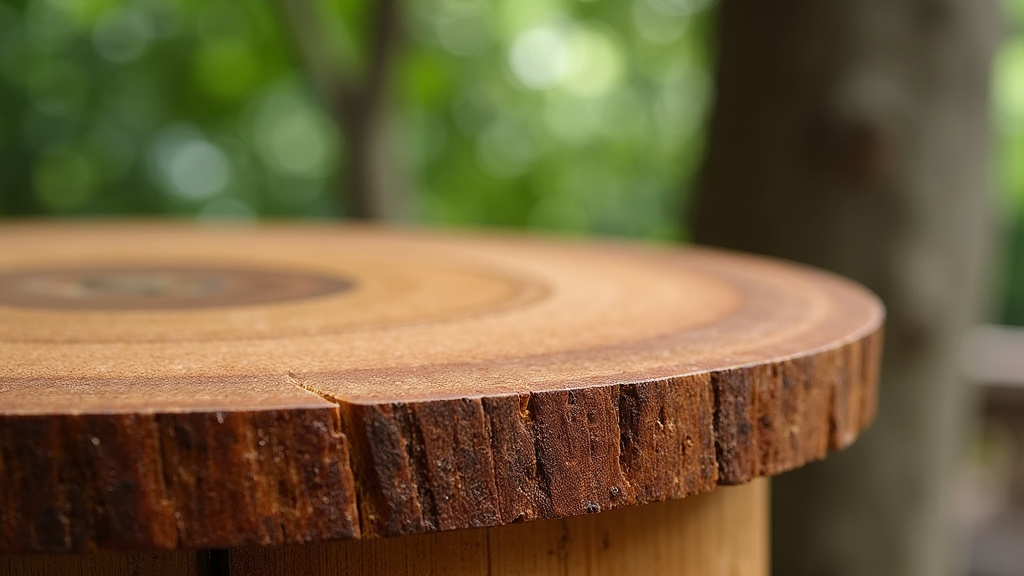
When you see a plank with a stark light edge and a dark center, you’re seeing sapwood and heartwood. Grade A teak has almost no sapwood. Sapwood is the tree’s transport system, not its storage, so it lacks the oils and durability. Always check for a high heartwood ratio.
Spotting Genuine Teak: A Quick Guide
The market has substitutes and lower-quality woods passed off as teak. Here’s a practical checklist for identifying the real thing.
- Feel the weight: True teak is heavy and dense for its size.
- Look for the golden sheen: It has a natural, oily luster even when unfinished.
- Check the grain: It should be straight and tight, with a slightly rough feel from silica.
- Smell it: Freshly cut or sanded teak has a distinct, pleasant, leathery odor.
- Test the water: A drop of water should bead up on the surface, not soak in.
Sustainability and Modern Teak Sources
With old-growth forests depleted, most teak today comes from managed plantations. This has changed the market. Plantation teak grows faster in ideal conditions, but it often results in wider growth rings and sometimes lower oil density compared to slow-grown, old-growth timber.
Why Origin and Certification Matter
Reputable sellers will tell you the source. Look for certifications from the Forest Stewardship Council (FSC). This certifies the wood comes from responsibly managed forests. It’s your best tool for ensuring your purchase isn’t contributing to illegal logging, a major issue in the tropics (World Wildlife Fund).
What Happens After You Buy It
Teak’s job isn’t over when it becomes a table or a boat. Its natural chemistry means it behaves uniquely as it ages.
The Silver Patina
If left untreated outdoors, teak will slowly turn a silvery-gray color. This is a surface oxidation and doesn’t affect the wood’s strength. Many people love this weathered look. The wood remains strong and water-resistant underneath.
Maintaining the Golden Color
To keep the original honey color, you must apply a teak sealer or oil regularly. These products protect the surface from UV rays and dirt. However, they require maintenance every few months to a year. It’s a trade-off: the silver patina is zero-maintenance, while the golden look needs care.
Understanding what teak is made of helps you appreciate why it lasts so long and why quality varies so much. It’s a natural material with a specific chemistry, born in a tough climate, and processed with care. Whether you choose plantation or old-growth, grade A or B, you’re now equipped to make a choice that fits your project and your values.
Conclusion
Teak wood is a unique natural material. Its durability comes from the heartwood of the Tectona grandis tree, packed with natural oils and silica. This chemical makeup, shaped by its tropical climate, makes it naturally resistant to water, rot, and insects. However, not all teak is equal. Quality depends on the tree’s age, source, and how it was processed and graded. Remember, a high heartwood ratio and proper certification are your best signs of quality. Use the checklist in this article when you shop. Your next step is to apply these tips to choose the right teak for your project, whether it’s a new patio set or a boat deck.
Frequently Asked Questions
How long does teak furniture last outdoors?
With proper care, high-quality teak outdoor furniture can last for decades. Its natural oils protect it from rot and pests, even in harsh weather. Left untreated, it will develop a silver patina but remain structurally sound for 50 years or more.
Can you use teak wood for indoor projects?
Absolutely. Teak is excellent for indoor furniture, flooring, and paneling. Its stability and rich look are prized for high-end interior applications. Just be aware that its natural color will darken over time with indoor UV exposure.
What is the difference between teak and other hardwoods?
Teak’s key difference is its combination of high oil content and silica. Most other hardwoods lack this specific mix. This makes teak uniquely waterproof and more abrasive, which is why it outperforms many woods in marine and outdoor settings.
How often do I need to oil my teak furniture?
If you choose to maintain the golden color, you should apply a teak sealer or oil once or twice a year. The exact schedule depends on your climate and sun exposure. If you prefer the low-maintenance silver look, no oiling is required.
Why is some teak wood so much more expensive?
Price differences usually come from grade, age, and source. Slow-grown, old-growth teak with a high oil content is the most valuable. Plantation teak or lower grades with sapwood are more affordable. Always check the grade and origin to understand the cost.