Is Teak a Strong Wood? A Few Simple Facts
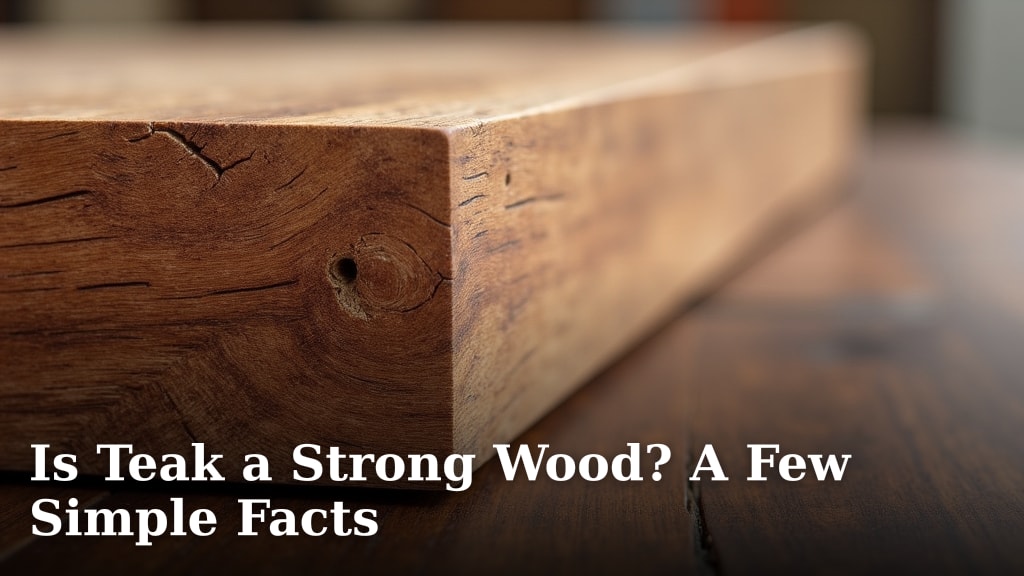
Yes, teak is considered a strong wood, primarily due to its high natural oil content and tight grain. We found that these properties give it impressive resistance to both rot and physical wear.
Think of teak’s strength as more than just hardness. It’s also incredibly naturally durable, which is why you see it used so much for outdoor furniture and boat decks. Many experts say its longevity is a key reason people choose it.
- Teak is a dense hardwood, giving it good structural strength.
- Its natural oils protect it from water, decay, and insects.
- This combination makes it strong for both indoor and outdoor use.
- It’s commonly used for furniture, flooring, and marine applications.
Below, we’ll break down exactly what makes teak so strong and look at a few simple facts to help you decide if it’s the right wood for your needs.
Understanding What Makes Teak a Strong Wood
So, what exactly puts teak in the “strong” category? It’s not just one thing. Imagine a team working together. For teak, the winning team is its unique chemistry and physical structure. When you look at teak, you’re looking at nature’s clever engineering, built over decades in tropical forests.
The Natural Oil Advantage
Teak’s biggest secret is its high concentration of natural oils and silica. These aren’t added later; they’re part of the tree. We found that this oily core acts like a built-in shield. It repels water, prevents dryness, and fights off pests. This isn’t a minor feature—it’s a primary reason teak lasts so long outside.
Why Oils Mean Durability
These oils keep the wood stable. While other woods might crack from rain then sun, teak handles the switch better. Think of it like a raincoat for the wood itself. This stability means your teak table won’t warp or split as easily. Many experts note this natural resistance is a key factor in its longevity (USDA Forest Products Laboratory).
Grain, Density, and Hardness
Beyond the oils, teak has a tight, straight grain. This grain pattern distributes weight and pressure well. It’s a hardwood, meaning it comes from a slow-growing tree. This makes it dense and heavy. On the Janka hardness scale, which measures dent resistance, teak scores around 1,000 lbf. That’s solid, putting it between oak and walnut. It’s hard enough to resist everyday knocks and scratches.
Key Strengths and Weaknesses of Teak Wood
No material is perfect, right? You need the full picture before choosing. Teak has amazing strengths, but it also has a couple of trade-offs. Knowing both helps you decide if it fits your project and your budget.
Where Teak Truly Excels
Teak’s strength shines brightest in demanding environments. Its natural oils make it one of the best woods for outdoor furniture. It resists rot, even when wet for long periods. This is why boat builders have trusted it for centuries. It also handles temperature changes well, from hot sun to freezing winters. Inside your home, this means it’s stable for flooring and won’t easily dent from dropped items.
Potential Downsides to Consider
The first thing people notice is the price. Teak is more expensive than many other hardwoods. This cost comes from its slow growth and ethical harvesting practices. Also, while its strength is impressive, it’s not the hardest wood on the planet. Very hard woods like hickory might be better for a workbench. Finally, like all wood, it can scratch. Its strength is more about durability and resistance than being completely invincible.
How Does Teak Compare to Other Popular Woods?
Putting teak side-by-side with other common woods can really highlight its properties. Are you choosing between teak, oak, or maybe a composite for your new deck chairs? A quick comparison can guide you. Here’s a simple look at how teak stacks up.
| Wood Type | Primary Strength | Common Use | Needs Finishing? |
|---|---|---|---|
| Teak | Natural water and rot resistance. | Outdoor furniture, boat decks, showers. | No, but can be oiled for color. |
| Oak (White) | Excellent hardness and scratch resistance. | Indoor furniture, flooring, cabinetry. | Yes, to protect from moisture. |
| Cedar | Lightweight and aromatic, good rot resistance. | Fences, closets, chests. | No, often left unfinished. |
| Pine | Soft, affordable, easy to work with. | Budget furniture, craft projects. | Yes, to prevent dents and stains. |
Real-World Uses That Prove Teak’s Strength
You don’t have to just take our word for it. Teak’s strength is proven in applications where failure isn’t an option. It’s not just a pretty wood; it’s a workhorse.
Marine and Outdoor Applications
For generations, teak has been the gold standard for boats. Decking, trim, and handrails made of teak can survive saltwater, sun, and constant foot traffic. High-end outdoor furniture brands use teak because it can stay outside year-round without rotting. A teak bench in your garden will likely outlast several cheaper ones.
Indoor and Architectural Strength
Inside, teak’s strength is about lasting beauty. Teak flooring handles heavy furniture and high heels without showing wear. It’s also used for window frames because it doesn’t swell or shrink much with humidity changes. This dimensional stability is a huge strength for construction.
Maintaining Teak: Does It Need Help to Stay Strong?
Here’s a comforting fact: teak is strong on its own. It doesn’t need paint or varnish to protect it. The oils do the work. However, you have choices in how you maintain it. This is less about strength and more about appearance.
The Silver-Grey Patina
If you leave teak untreated outdoors, it will slowly turn a beautiful silver-grey. This is a natural oxidation process. It doesn’t mean the wood is weakening. The strength and durability remain. Many people love this elegant, weathered look for its low-maintenance style.
Preserving the Golden Color
If you prefer the warm, honey-brown color of new teak, you can apply a teak oil sealer. This slows down the greying process. It’s a cosmetic choice. We found that reapplying oil once or twice a year is usually enough. The wood itself stays strong regardless.
Is Teak the Right Strong Wood for You?
We’ve covered the facts about its strength. Now, think about your specific needs. Ask yourself a few questions to see if teak is your match.
Checklist for Choosing Teak
- Do you need furniture or a structure to live outdoors permanently?
- Is low long-term maintenance a top priority for you?
- Are you willing to invest more upfront for a product that may last decades?
- Do you value a material that can handle moisture and insects without chemicals?
- Is a natural, aging look (silver patina) or a maintained golden look better for your style?
If you checked several “yes” boxes, teak is likely a fantastic choice. Its strength is proven, its beauty is timeless, and its durability can save you money over time. It’s a strong wood in every sense of the word.
Conclusion
Teak’s strength comes from its unique blend of natural oils and dense grain, making it exceptionally durable for both indoor and outdoor use. It resists rot, water, and insects without needing chemical treatments, which is why it’s trusted for boats and garden furniture. While the upfront cost is higher, its long lifespan often makes it a smarter investment over time. If you’re looking for a low-maintenance material that can handle tough conditions, teak is a solid choice. We suggest starting with a small project, like a teak planter or bench, to experience its quality firsthand.
Frequently Asked Questions
How does teak handle extreme weather changes?
Teak performs very well in fluctuating temperatures and humidity. Its natural oils help it expand and contract without cracking, which is why it’s used for outdoor decking and furniture that stays outside year-round.
Is teak a good choice for flooring in high-traffic areas?
Yes, teak flooring is quite durable for busy homes. Its hardness around 1,000 lbf on the Janka scale means it resists dents from heavy furniture and foot traffic better than many other woods.
Can I use teak for a cutting board or kitchen countertop?
Teak is food-safe and naturally antimicrobial due to its oils, making it a popular choice for cutting boards and butcher blocks. For countertops, it offers great water resistance, but it can scratch, so regular maintenance is recommended.
Does teak require special cleaning products?
Not really. For routine cleaning, mild soap and water are usually enough. Avoid harsh chemicals, as they can strip the natural oils. If you oil the wood, use a quality teak sealer to preserve its appearance.
What should I look for when buying teak furniture?
Check for “Grade A” teak, which comes from the heartwood and has the highest oil content. Ask suppliers about sustainable sourcing, and look for furniture with tight grain and no knots for maximum durability.