How Is Teak Wood Harvested? What You Need to Know
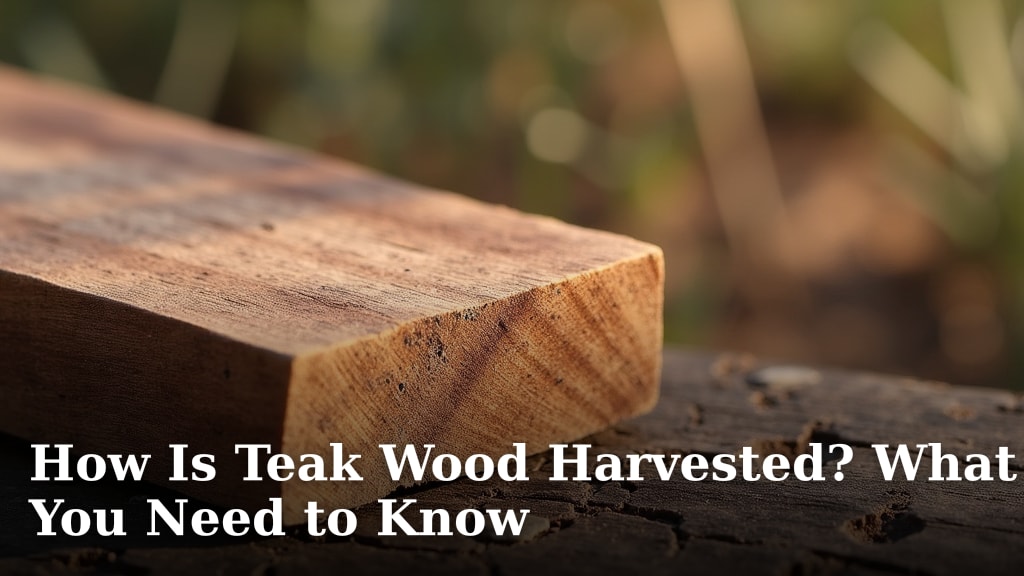
Teak wood is typically harvested from sustainably managed plantations. This involves carefully selecting mature trees and felling them with precision. The process prioritizes the long-term health of the forest. Responsible harvesting ensures a continuous supply of this sought-after hardwood.
Before any cutting begins, extensive planning takes place. Foresters assess the teak trees, checking their age and health. They also consider the surrounding environment. This careful preparation helps minimize any negative impact on the ecosystem. It’s a process focused on both yield and ecological balance.
- Teak is grown in plantations for harvesting.
- Mature trees are selected for felling.
- Sustainable practices are key.
- Planning ensures minimal environmental impact.
Let’s walk through exactly how teak wood gets from the forest to your home.
Understanding Teak Wood Harvesting Methods
Harvesting teak wood is a thoughtful process. It focuses on taking mature trees while ensuring the forest thrives for future generations. Think of it like pruning a valuable fruit tree. You take the best fruit when it’s ripe, but you care for the tree so it keeps producing. Responsible harvesting makes sure we always have this beautiful, durable wood.
Where Does Teak Come From? Plantations vs. Natural Forests
Most teak used today comes from specialized plantations. These are areas where teak trees are intentionally grown for harvesting. This is very different from old-growth natural forests. Plantation teak is grown with management plans in place. This helps control the harvest and ensures sustainability.
Natural teak forests still exist, but they are much rarer. Harvesting from these areas is often strictly regulated. This is to protect the ecosystem and preserve these ancient forests. Many countries have laws to prevent over-logging in natural teak reserves. Most commercial teak you find in stores is plantation-grown.
The Life Cycle of a Teak Tree in a Plantation
Teak trees don’t become ready for harvest overnight. They need many years to mature. Growth rates can vary, but typically, trees are ready after 20 to 40 years. This long growth period is why teak is considered a premium wood.
Foresters carefully monitor the trees from planting to maturity. They track growth, health, and the overall condition of the plantation. This ongoing care is a big part of sustainable forestry. It ensures that when a tree is harvested, it’s at its peak quality.
Planting and Early Growth Stages
The process starts with planting teak saplings. These are often grown from seeds or cuttings in nurseries. Once they are strong enough, they are transplanted into the plantation. Young trees need careful tending. This includes watering, weeding, and protecting them from pests.
Maturity and Preparation for Harvest
As teak trees grow, they develop their rich color and natural oils. These oils are what make teak so resistant to water and insects. By the time a tree reaches harvest age, it’s a sturdy, mature specimen. Foresters then begin the selection process.
The Harvesting Process: Step-by-Step
Harvesting teak is not a random act of cutting. It’s a planned operation. Foresters use specific methods to select and fell trees. The goal is to remove trees efficiently with minimal disturbance to the surrounding environment.
Tree Selection and Marking
Not every tree in a plantation is harvested at the same time. Foresters carefully select the mature trees that are ready. They might mark these trees with paint. This ensures only the designated trees are cut. Factors like size, age, and health are considered. Sometimes, thinning out a few trees can actually help the remaining ones grow better.
Felling the Trees
Once selected, the trees are carefully felled. Chainsaws are commonly used. Safety is a top priority during this stage. Skilled workers know how to cut a tree so it falls in a safe direction. This prevents damage to other trees or the land.
The direction of the fall is planned to avoid damaging neighboring trees. This is especially important in a plantation where trees are planted closely. Careful felling helps keep the forest floor as intact as possible.
Transporting Logs from the Forest
After felling, the trees are processed into logs. These logs are then transported out of the forest. This can be done using specialized machinery like skidders or forwarders. The goal is to move the logs efficiently without causing excessive soil erosion or damage to the remaining trees.
Sometimes, logs are temporarily stored at a staging area within the forest. This makes the collection process more organized. From there, they are loaded onto trucks for transport to sawmills.
Sustainable Practices in Teak Harvesting
Sustainability is the cornerstone of modern teak harvesting. It’s about making sure we can use teak today without compromising future supply. This involves a range of careful practices throughout the wood’s life cycle.
Reforestation and Replenishment Efforts
After trees are harvested from a plantation, the work isn’t done. The land needs to be prepared for new trees. This means replanting efforts begin soon after. New saplings are planted to replace the ones that were removed.
This replanting cycle is what makes plantation teak sustainable. It ensures a continuous forest cover. Many plantation owners follow strict replanting schedules. Some even exceed legal requirements to ensure the forest’s long-term health.
Minimizing Environmental Impact
Responsible harvesting aims to reduce its footprint. This includes practices to prevent soil erosion. Building roads for access is done carefully. Often, existing paths are used or new ones are created with minimal disruption.
Water quality is also protected. Efforts are made to keep soil and debris out of nearby streams and rivers. This careful planning helps maintain the local ecosystem. It’s about harvesting wood while being a good neighbor to nature.
Certification and Standards
You might see certifications on teak products. These indicate that the wood comes from responsibly managed sources. Organizations like the Forest Stewardship Council (FSC) provide these certifications. They audit forests to ensure they meet strict environmental and social standards.
Look for these labels when you shop for teak furniture or wood products. They offer assurance that the teak was harvested ethically. This helps you make informed choices as a consumer. It supports businesses that prioritize good forestry practices.
What Happens After Teak is Harvested?
Once the teak logs leave the forest, they go through several stages. This is where they are transformed into the usable lumber you see in furniture and other products.
Sawmilling and Drying
The logs are transported to sawmills. Here, they are cut into lumber of various sizes. This is done with large saws. The lumber is then dried. Drying is a crucial step to stabilize the wood. It prevents warping and cracking later on.
There are two main ways wood is dried: air-drying and kiln-drying. Air-drying takes longer, letting the wood dry naturally outdoors. Kiln-drying uses ovens to speed up the process. Kiln-drying is more controlled and can remove more moisture efficiently.
Grading and Quality Control
After drying, the lumber is graded. This means it’s inspected for defects. Knots, cracks, and uneven grain can affect the wood’s quality. Higher grades of teak are used for fine furniture. Lower grades might be used for other applications.
Quality control is important at every step. It ensures the final product meets high standards. This diligence contributes to teak’s reputation for quality and durability.
Key Takeaways for Teak Wood Consumers
Understanding how teak is harvested can help you appreciate its quality. It also helps you make responsible purchasing decisions. Here’s a quick rundown of what’s important to remember.
- Teak is primarily grown in sustainably managed plantations.
- Trees are carefully selected and harvested only when mature (20-40 years).
- Harvesting processes are designed to minimize environmental impact.
- Reforestation efforts ensure a continuous supply of teak.
- Look for certification labels like FSC when buying teak products.
- The journey from forest to lumber involves careful milling and drying.
Conclusion
You’ve learned that teak wood harvesting is a thoughtful, planned process. It relies heavily on sustainably managed plantations. This approach ensures that mature trees are harvested carefully, with future forests in mind. By understanding the long growth cycles and reforestation efforts, you can see why teak is a premium material. Your choices as a consumer matter. Next time you shop for teak, look for certification labels to support responsible forestry. This helps ensure beautiful, durable teak is available for years to come.
Frequently Asked Questions
Is teak wood always harvested from plantations?
While most commercial teak today comes from plantations, some natural teak forests still exist. However, harvesting from these natural forests is often highly regulated to protect the environment. Plantation teak is the most common source you’ll find.
How long does it take for a teak tree to be ready for harvest?
Teak trees need a significant amount of time to mature. Typically, they are ready for harvest after 20 to 40 years. This long growth period contributes to the wood’s density, strength, and natural oils.
What does it mean for teak harvesting to be “sustainable”?
Sustainable teak harvesting means that the process ensures a continuous supply of wood without harming the environment. This includes practices like replanting after harvest, minimizing soil erosion, and protecting water sources. It’s about balancing resource use with ecological health.
Why are there certifications for teak wood?
Certifications, like those from the Forest Stewardship Council (FSC), provide assurance that teak wood comes from responsibly managed forests. They indicate that harvesting practices meet strict environmental, social, and economic standards. Looking for these labels helps you make ethical purchasing decisions.
What happens to the teak wood immediately after it’s cut down?
After felling, the teak trees are cut into logs and transported to sawmills. At the sawmill, they are cut into lumber and then dried. This drying process is essential to stabilize the wood and prevent future warping or cracking. The lumber then goes through grading and quality checks.