Teak vs Composite Shower Bench: A Helpful Overview

When deciding between a teak shower bench and a composite shower bench, the best choice for you usually comes down to durability and maintenance. Teak offers natural water resistance and beauty but requires more upkeep. Composite materials are low-maintenance and very durable, often designed to mimic wood.
Both options can enhance your shower experience, providing a safe and comfortable place to sit. We’ve looked into what makes each material a good fit for a damp bathroom environment. Understanding their pros and cons will help you make a smart purchase for your home.
- Teak is naturally water-resistant but needs regular oiling.
- Composite benches are very durable and require little upkeep.
- Teak offers a classic, natural wood look.
- Composite benches can mimic wood but come in many styles.
- Consider your budget and how much time you have for care.
Let’s dive into the specifics of teak versus composite shower benches to help you choose the perfect one for your bathroom.
Choosing the right shower bench is like picking a comfy chair for your bathroom. You want something that looks good, feels sturdy, and can handle the steamy environment. Let’s break down the differences between teak and composite shower benches to help you find your perfect match.
Teak vs. Composite Shower Benches: A Smart Comparison
When it comes to shower benches, both teak and composite materials have a lot to offer. We found that the main differences come down to natural properties versus engineered solutions. Your decision will hinge on what you value most: a natural look with some upkeep, or a low-maintenance, durable option.
Understanding Teak Shower Benches
Teak wood has been a popular choice for furniture, especially outdoor and marine applications, for a very long time. Its reputation for being tough and beautiful is well-earned. We looked into why it’s so well-suited for bathrooms.
The Natural Advantages of Teak
Teak wood contains natural oils. These oils act like a built-in shield. They help the wood resist water, decay, and insects. This makes it a fantastic material for humid places like showers. You’ll often find teak used on boat decks for this exact reason. Its natural beauty is another big draw. It has a warm, golden-brown color that can add a spa-like feel to your bathroom.
What to Expect with Teak Maintenance
While teak is naturally resistant, it’s not entirely maintenance-free. To keep it looking its best, you’ll need to give it some attention. We found that regular cleaning is essential. Wiping it down after each use helps remove soap scum and water spots. If you want to maintain its golden color, you’ll need to apply a teak oil or sealant every few months. Without this care, teak can turn a silvery-gray color over time. This change is natural and doesn’t harm the wood, but some people prefer the original look. Think of it like caring for a nice wooden cutting board; a little oil goes a long way.
The Process of Oiling Teak
Oiling your teak bench is a straightforward process. First, make sure the bench is clean and completely dry. Then, apply a thin, even coat of teak oil using a soft cloth. You might need a couple of coats, depending on the product. Allow the oil to soak in. Then, wipe away any excess. Many experts suggest doing this at least twice a year, perhaps in spring and fall. This routine helps the wood stay hydrated and prevents drying or cracking. To maintain its appearance, learn about applying teak oil.
Pros and Cons of Teak
Let’s summarize what we’ve learned about teak.
- Pros: Beautiful natural wood grain. Excellent natural water and rot resistance. Can add a touch of luxury.
- Cons: Requires regular cleaning and oiling. Can be more expensive than composite. May change color over time if not oiled.
Exploring Composite Shower Benches
Composite materials are engineered products. They are made by combining different materials, often plastics and wood fibers. For shower benches, this means you get a material that looks like wood but has different properties. We think this is where the real difference in maintenance lies.
The Engineered Durability of Composite
Composite materials are designed to be highly durable. They don’t rot, warp, or splinter like natural wood can. Because they are not made of solid wood, they are less susceptible to moisture damage. Many composite benches are also UV-resistant, though this is less critical for an indoor shower. The manufacturing process allows for consistent quality and strength across the entire product. You can generally expect a composite bench to last a very long time with minimal fuss.
Low-Maintenance Living with Composite
This is where composite really shines. Forget about sanding, sealing, or oiling. Cleaning a composite shower bench is usually as simple as wiping it down with a damp cloth or a mild soap. Soap scum and water spots are easily removed. We found that most manufacturers recommend a simple spray cleaner or a diluted vinegar solution for tougher spots. This makes it an ideal choice if you prefer to spend less time on bathroom upkeep. It’s the “set it and forget it” option for many shoppers.
Resisting Mold and Mildew
One significant advantage of composite is its resistance to mold and mildew. Because it doesn’t absorb water and often has a non-porous surface, these unwelcome guests have a harder time taking hold. Regular cleaning will still prevent buildup, but the material itself is less prone to supporting their growth compared to wood. Many experts agree that materials that don’t hold moisture are better for damp environments (Cleveland Clinic).
Pros and Cons of Composite
Here’s a quick look at the benefits and drawbacks of composite.
- Pros: Extremely durable and long-lasting. Very low maintenance – no oiling or sealing needed. Resistant to rot, warp, and mildew. Available in many colors and styles.
- Cons: May not have the same natural warmth as real wood. Can sometimes feel less “premium” than solid teak. May be more expensive initially than basic wood options.
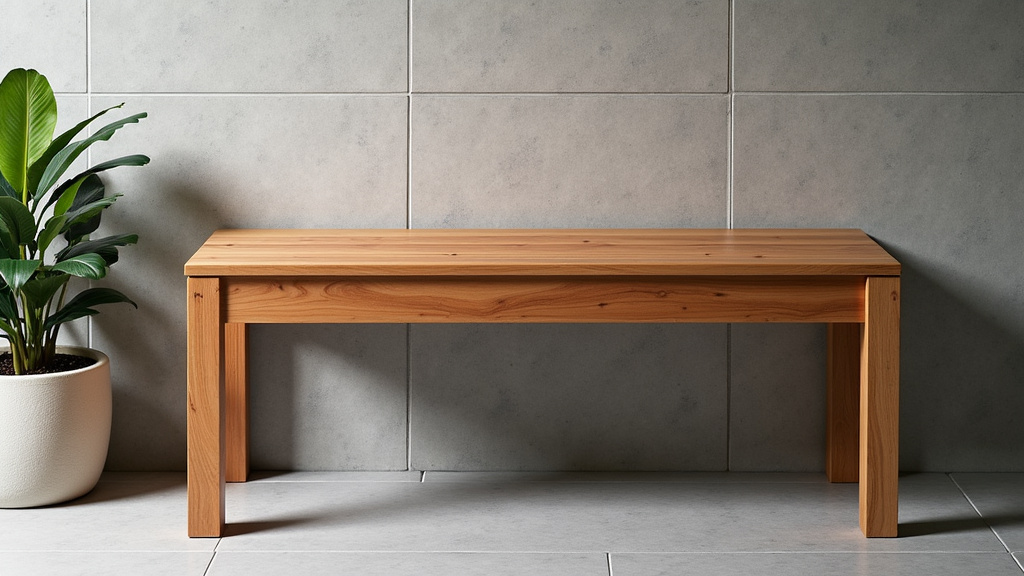
Comparing Key Features: Teak vs. Composite
Let’s put these two materials side-by-side in a way that’s easy to digest. We created this table to highlight the main differences you’ll want to consider for your bathroom.
| Feature | Teak Shower Bench | Composite Shower Bench |
|---|---|---|
| Appearance | Natural wood grain, warm golden-brown color. Develops a silvery patina over time. | Can mimic wood grain or have a smooth finish. Available in a wide range of colors. |
| Water Resistance | Naturally high due to oils. | Engineered to be highly water-resistant; non-porous. |
| Durability | Good, but can be susceptible to scratches or dents. | Excellent, resists scratches, dents, warping, and rot. |
| Maintenance | Requires regular cleaning and periodic oiling/sealing. | Minimal cleaning; just wipe down with soap and water. |
| Lifespan | Long with proper care. | Potentially very long, often exceeding teak with less effort. |
| Cost | Mid to high range, depending on quality. | Mid to high range, depending on brand and style. |
| Feel | Warm, natural wood feel. | Can vary; some feel solid, others more plastic-like. |
Making the Right Choice for Your Bathroom
So, which one is the better fit for your shower? It really comes down to your priorities. Do you love the idea of natural wood and don’t mind a little upkeep? Teak might be your answer. Are you looking for a hassle-free, durable solution that’s easy to clean? Composite could be the winner.
Consider Your Lifestyle and Preferences
Think about how much time you realistically want to spend maintaining your bathroom items. If you’re someone who enjoys a bit of a spa-like ritual and likes caring for natural materials, teak offers that experience. On the other hand, if you just want a functional, good-looking bench that you can mostly ignore, composite is designed for that. We found that people often choose based on their personal maintenance tolerance.
Budgetary Considerations
While both can be found in similar price ranges, sometimes high-quality teak can command a higher price tag. However, composite materials made with premium recycled plastics and advanced designs can also be quite costly. It’s worth comparing specific products rather than just the material type. Remember to factor in the cost of teak oil and sealants if you go the teak route.
A Quick Checklist for Your Decision
To help you finalize your choice, run through this quick checklist:
- How much time can you commit to bench maintenance each month?
- Do you prefer the look and feel of natural wood or a more manufactured material?
- What is your budget for the bench, including any necessary care products?
- Are you concerned about mold and mildew in your shower?
- Do you want the bench to match existing wood tones or a specific color scheme?
- What level of durability are you expecting from your shower bench?
Conclusion
Choosing between a teak and composite shower bench ultimately comes down to your personal preferences and how much time you want to dedicate to upkeep. We found that teak offers natural beauty and water resistance, but it requires regular cleaning and oiling to maintain its look and condition. If you prefer a low-maintenance, highly durable option that resists rot and mildew, a composite bench is likely the better choice for your bathroom. Consider your lifestyle and budget carefully, and you’ll find the perfect bench to make your shower more comfortable and safe. Your best next step is to measure your shower space and start looking at specific models that fit your chosen material and style.
Frequently Asked Questions
Will a teak shower bench turn gray?
Yes, teak can naturally turn a silvery-gray color over time if it’s not regularly oiled and sealed. This change is a natural patina that doesn’t affect the wood’s durability, but some people prefer to maintain its original golden-brown hue. Regular oiling helps preserve the color.
Is composite wood safe for a wet shower environment?
Absolutely. Composite materials are specifically engineered to be water-resistant and non-porous, making them highly suitable for wet environments like showers. They are designed to resist moisture damage, warping, and rot, which are common issues with natural wood in humid conditions.
How often should I oil a teak shower bench?
It’s generally recommended to oil a teak shower bench at least twice a year, often in the spring and fall. This helps the wood stay hydrated, prevents it from drying out or cracking, and helps maintain its original color. Always ensure the bench is clean and completely dry before applying oil.
Can composite shower benches get moldy?
Composite is much more resistant to mold and mildew than natural wood because it doesn’t absorb moisture. While regular cleaning is still important to prevent any surface buildup, the material itself is less prone to supporting mold growth. This makes it a great choice for damp shower environments.
Which type of shower bench is usually more expensive upfront?
The upfront cost can vary greatly depending on the quality, brand, and specific design of both teak and composite benches. High-quality, solid teak can be quite expensive. However, premium composite benches made with advanced materials and finishes can also be costly. It’s best to compare specific products within your budget, remembering to factor in the ongoing cost of teak oil if you choose teak.