Teak vs Oak Durability Outdoors: What Every Owner Should Know
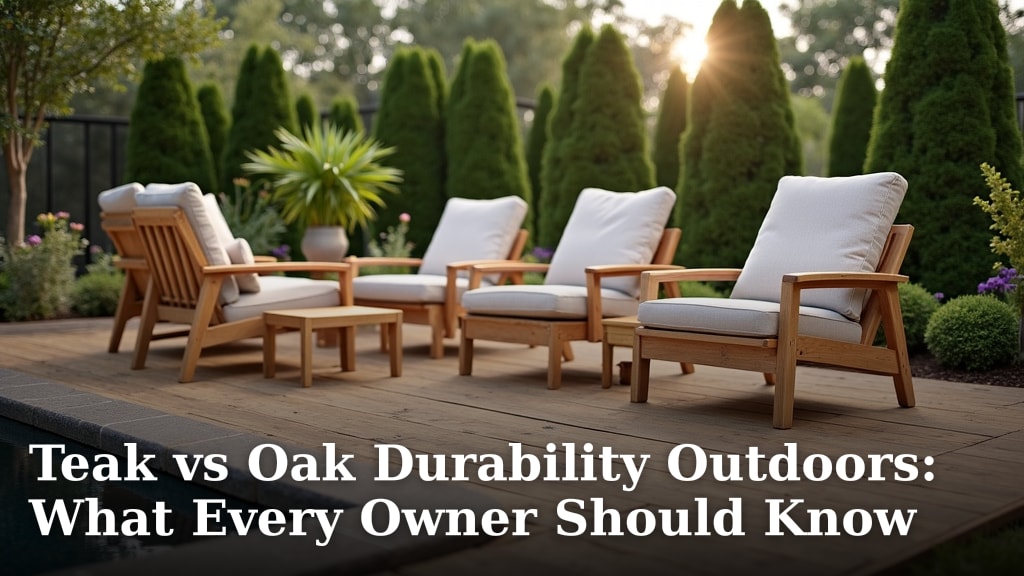
When choosing outdoor furniture wood, teak generally outperforms oak in durability. Teak’s natural oils make it highly resistant to moisture, rot, and insects, while oak is more prone to decay when exposed to the elements without proper sealing. For long-lasting outdoor pieces, teak often has the edge. Understanding what teak oil is can help you maintain its natural resistance.
Both teak and oak are strong hardwoods. However, their natural properties differ when facing outdoor challenges like rain, sun, and pests. Understanding these differences helps you make the best choice for your patio or garden. We’ve looked into what makes each wood stand up (or not stand up) to outdoor life.
- Teak is naturally resistant to decay and insects.
- Oak needs more protection from moisture and pests outdoors.
- Teak typically lasts longer outdoors without special treatment.
- Oak can be a good option if you’re prepared for regular maintenance.
Let’s dive into the specifics of teak versus oak durability outdoors, so you can feel confident about your furniture choices.
Comparing Teak and Oak for Your Outdoor Space
When you’re picking out furniture for your patio or garden, you want pieces that will last. Durability is key, especially when wood has to deal with sunshine, rain, and maybe even snow. We’ve looked into two popular hardwoods: teak and oak. Which one holds up better outside?
Understanding Wood’s Natural Defenses Against the Elements
Wood is a natural material, and like all natural things, it reacts to its environment. For outdoor furniture, the main enemies are moisture, sunlight, and insects. Wood can absorb water, which can lead to swelling, cracking, and rot. UV rays from the sun can fade and weaken the wood over time. Pests like termites and carpenter bees can also cause damage.
How Teak Fights Back Naturally
Teak wood is often called nature’s shield. This tropical hardwood has a secret weapon: natural oils. These oils are found throughout the wood’s grain. They act like a built-in sealant. This makes teak incredibly resistant to water damage and rot. It doesn’t easily absorb moisture, which means it’s less likely to warp or crack.
Research shows that teak’s oils also deter insects. Termites and other wood-boring pests don’t find teak very appetizing. This natural protection means teak can sit outside for years, even decades, with minimal fuss. It’s the kind of wood that just keeps going.
How Oak Stands Up (and What It Needs)
Oak is another strong and popular hardwood. It’s known for its toughness and beautiful grain. However, compared to teak, oak doesn’t have the same level of natural defense against the elements. Oak is more porous. This means it can absorb water more readily.
When oak absorbs moisture, it can lead to problems like decay and mildew. It’s also more attractive to certain insects. Without protection, oak furniture left outdoors will likely show wear and tear much faster than teak. You’ll often see changes in color and even structural issues over time.
Teak vs. Oak: A Durability Showdown
Let’s break down how these two woods perform side-by-side when they’re exposed to the outdoors. We found that teak generally has a clear advantage in the long run.
Resistance to Moisture and Rot
This is where teak really shines. The high concentration of natural oils in teak makes it highly resistant to moisture. Think of it like a duck’s back – water just rolls off. This inherent quality means teak is much less prone to rot and decay, even in humid or rainy climates. You can often leave teak furniture uncovered without immediate worry.
Oak, on the other hand, is much more susceptible. Its open grain structure allows water to penetrate. We found that without regular sealing and maintenance, oak can start to show signs of rot within a few years of outdoor exposure. This is a major difference in their outdoor lifespan.
Insect and Pest Resistance
Teak’s natural oils are a strong deterrent to common wood pests like termites and ants. These insects simply don’t find teak appealing enough to build nests or feed on. This natural defense is a big reason why teak has been used for boat decks and outdoor structures for centuries.
Oak is not as fortunate. It can be a target for termites and other wood-boring insects. If you choose oak for your outdoor furniture, you’ll want to be aware of this and take preventative measures. We’ve seen that pest damage can significantly shorten the life of unprotected oak.
UV Ray and Weathering Effects
Both teak and oak will change color when exposed to sunlight. Teak typically weathers to a beautiful silvery-grey patina over time. Many people love this look. While the color changes, the wood’s structural integrity remains largely intact due to those natural oils.
Oak also weathers and can fade or darken depending on the finish and exposure. Without protection, UV rays can break down the wood fibers, making oak more brittle. It can also lead to surface checking, which are small cracks. You might notice this more quickly with oak than with teak.
Maintenance Requirements: What’s Your Commitment?
Your decision between teak and oak might come down to how much time you’re willing to spend on upkeep. Are you looking for a ‘set it and forget it’ option, or are you happy to perform regular maintenance?
Teak’s Low-Maintenance Charm
The beauty of teak is that it requires very little maintenance to remain durable. If you don’t mind the natural weathering process to a silvery-grey, you can simply clean your teak furniture with soap and water occasionally. This will remove dirt and grime. Learn more about where teak furniture originates to understand its natural properties.
If you prefer to keep its original golden-brown color, you can use specific teak cleaners and sealers. However, even if you skip this, your teak furniture will still last a very long time. Many experts suggest that the low maintenance is one of teak’s biggest advantages for outdoor use.
Oak’s Need for Regular Attention
Oak furniture for outdoor use generally requires more attention. To protect it from moisture and UV damage, you’ll need to apply a protective finish, such as a sealant, stain, or varnish, on a regular basis. We’ve found that this typically needs to be done at least once a year, sometimes more often, depending on your climate.
This finish acts as a barrier, preventing water absorption and protecting the wood from sun damage. Cleaning oak also requires a bit more care to avoid damaging the finish or the wood itself. If you’re not prepared for this ongoing commitment, oak might not be the best choice for a hassle-free outdoor experience.
Cost and Value: A Long-Term Perspective
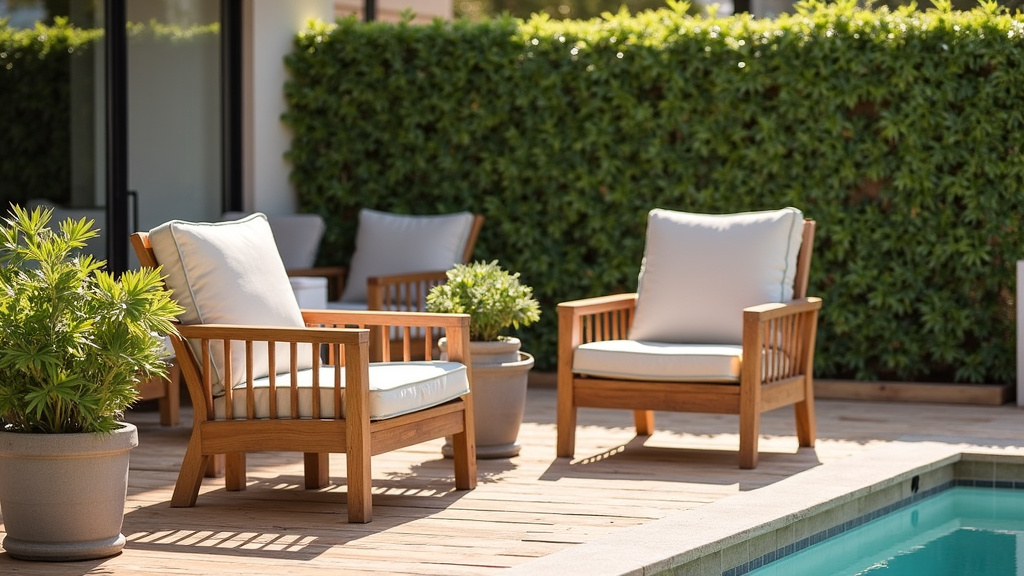
It’s true that teak is often more expensive upfront than oak. This is due to its rarity, the difficulty in harvesting it, and its superior natural qualities. However, when you look at the lifespan and maintenance costs, the long-term value can be quite different.
The Investment in Teak
While the initial price tag for teak furniture might be higher, consider it an investment. Because teak is so durable and requires minimal upkeep, you won’t be spending money on frequent refinishing or replacements. Over many years, the cost of ownership for teak can actually be lower than for less durable woods that need constant care.
Oak’s Potential for Hidden Costs
Oak can be more budget-friendly when you first buy it. But remember to factor in the cost and time for ongoing maintenance. If you skip maintenance, you risk premature damage that could lead to costly repairs or needing to replace the furniture sooner. This can make oak a more expensive option in the long run.
Making Your Final Decision: A Quick Checklist
To help you decide which wood is right for your outdoor lifestyle, here’s a quick rundown:
- Consider Your Climate: If you live in a very humid or rainy area, teak’s natural resistance is a huge plus.
- Think About Maintenance: Are you ready for regular sealing and staining? If not, lean towards teak.
- Budget Upfront vs. Long-Term: Teak costs more now but often saves money later. Oak is cheaper initially but needs ongoing investment.
- Desired Look: Do you love the idea of a silvery-grey patina, or do you want to maintain a specific color?
- Pest Concerns: If termites or other wood-boring insects are common in your area, teak offers better natural protection.
- Lifespan Expectation: For furniture that can last for decades with minimal effort, teak is the stronger contender.
Conclusion
You’ve seen how teak’s natural oils give it a clear edge in outdoor durability. Its resistance to moisture, rot, and pests means less worry and less upkeep for your furniture. Oak can be a beautiful choice, but it requires a commitment to regular sealing and maintenance to hold up outdoors. Weigh your climate, maintenance willingness, and budget. If you’re aiming for a low-fuss, long-lasting outdoor oasis, teak is likely your best bet. Consider investing in teak now for decades of enjoyment with minimal effort.
Frequently Asked Questions
Will teak furniture turn gray?
Yes, teak furniture will naturally weather to a soft silvery-gray patina over time when exposed to the elements. This is a normal and desirable characteristic of teak, and it doesn’t affect the wood’s structural integrity.
How often do I need to seal oak outdoor furniture?
You’ll typically need to reseal oak outdoor furniture at least once a year. Depending on your climate and the product used, you might need to do it more often to maintain its protective barrier against moisture and UV rays.
Can I leave teak furniture out in the rain without damage?
You can generally leave teak furniture out in the rain without immediate damage. Its natural oils make it highly water-resistant, so it won’t readily absorb moisture and rot like many other woods.
What happens if I don’t maintain my oak outdoor furniture?
If you don’t maintain your oak outdoor furniture, it will likely experience issues such as water absorption, leading to rot and decay. It can also become more susceptible to insect damage and surface cracking from UV exposure, significantly shortening its lifespan.
Is teak furniture worth the higher upfront cost compared to oak?
For many people, teak is worth the higher upfront cost because of its exceptional durability and minimal maintenance needs. Over the long term, the cost of ownership can be lower than oak when you factor in the expense and effort of maintaining oak furniture.