Teak vs Eucalyptus Wood: What to Watch For
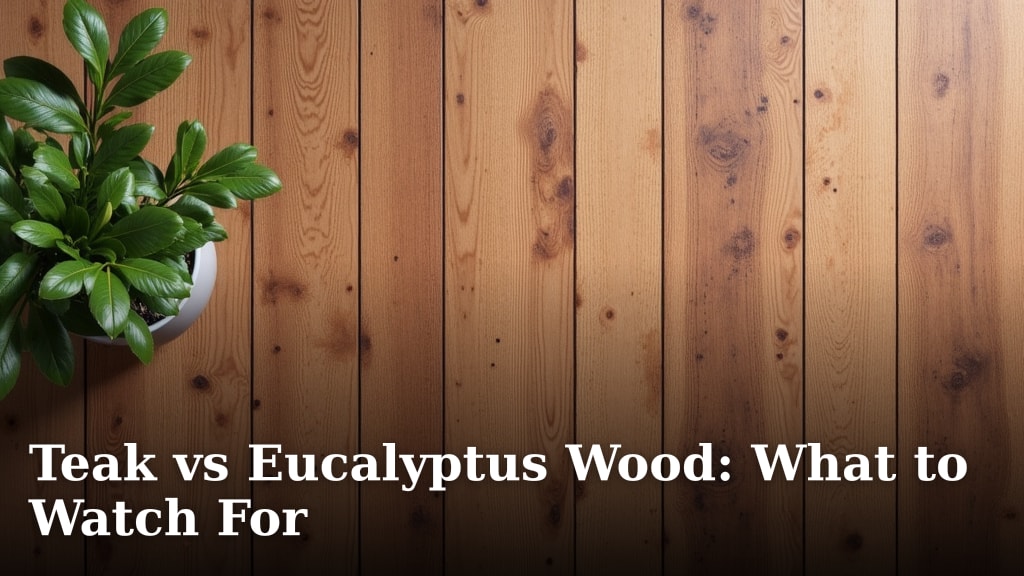
When choosing outdoor furniture, both teak and eucalyptus wood are popular choices, but they offer different benefits. Teak is generally considered the superior option for durability and low maintenance, thanks to its natural oils that resist rot and insects, making it a long-lasting investment. Eucalyptus wood can be a more budget-friendly choice but typically requires more care to withstand the elements and prevent premature wear.
Deciding between these two woods depends on your priorities for your outdoor space. We found that while teak offers unmatched natural protection and a beautiful patina over time, eucalyptus provides an attractive look at a lower price point. Understanding their key differences will help you make an informed decision for your patio or garden, ensuring you get furniture that fits your needs and budget. Both can look great, but they age differently.
- Teak offers superior natural durability and low maintenance.
- Eucalyptus is more budget-friendly but needs more upkeep.
- Teak resists rot and insects due to its natural oils.
- Eucalyptus requires sealing and protection against the weather.
- Consider your budget and how much time you want to spend on maintenance.
Let’s break down what you should look for when comparing teak and eucalyptus wood for your next outdoor furniture purchase.
Comparing Teak and Eucalyptus Wood for Outdoor Furniture
When you’re looking to furnish your patio or deck, the choice of wood plays a big role. You want something that looks good, lasts long, and fits your budget. We’ve looked into two popular options: teak and eucalyptus. They both have their strengths, but understanding their differences will help you pick the right one for your outdoor living space. Let’s get into what you should be watching for.
Understanding Teak: The Gold Standard for Durability
Teak wood is often considered the king of outdoor furniture materials. Why? It’s packed with natural oils that make it incredibly tough. These oils act like a shield against moisture, rot, and even pesky insects. This natural protection means teak furniture can withstand the elements without much fuss.
Teak’s Natural Resistance: A Built-in Defense System
Think of teak’s natural oils like a raincoat for your furniture. They prevent water from soaking into the wood, which is a major cause of rot and decay in many other woods. Many experts agree that teak’s high silica content also contributes to its impressive strength and insect resistance (Forest Products Laboratory). This means you’re less likely to deal with warping, cracking, or insect damage compared to other hardwoods.
The Patina: A Sign of Age, Not Decay
One of the most distinctive features of teak is how it ages. When exposed to the sun and weather, teak will gradually turn a beautiful silvery-gray color. This is called a patina. It’s not a sign that the wood is deteriorating; rather, it’s a natural transformation that many people find quite attractive. If you prefer the original warm, golden-brown color, you can maintain it with regular oiling and cleaning, but it does take effort. If you prefer the original warm, golden-brown color, you can maintain it with regular teak oil and cleaning.
Maintenance Needs of Teak: Low, But Not Zero
While teak is praised for its low maintenance, it’s not completely maintenance-free. To keep its original color, you’ll need to clean it annually and apply a teak sealant or oil. If you let it naturally patina, cleaning it once a year to remove dirt and mildew is usually enough. We found that most owners are happy with just occasional cleaning to keep their teak furniture looking great for decades.
Cost Factor: An Investment Piece
There’s no getting around it: teak furniture is an investment. It’s typically more expensive upfront than furniture made from other types of wood. However, many find that the longevity and low maintenance of teak make it a worthwhile purchase in the long run. You’re paying for durability that can last a lifetime with proper care.
Exploring Eucalyptus: A Budget-Friendly Alternative
Eucalyptus wood has become a popular choice for outdoor furniture, especially for those who want a stylish look without the higher price tag of teak. It’s known for its strength and attractive appearance, but it does require a bit more attention to keep it looking its best.
Eucalyptus’s Properties: Strong, But Sensitive
Eucalyptus is a hardwood that grows relatively quickly, which contributes to its more accessible price point. It has a beautiful grain and color, often a warm, reddish-brown hue. However, unlike teak, eucalyptus wood doesn’t have the same level of natural oils to protect it from the elements. This means it’s more susceptible to damage from sun, rain, and temperature changes.
The Need for Protection: Sealing is Key
Because eucalyptus lacks teak’s natural defense mechanisms, it requires regular sealing and protection. Without it, the wood can dry out, crack, and fade. Many manufacturers recommend applying a good quality outdoor wood sealant or oil at least once or twice a year. This creates a barrier against moisture and UV rays, helping to preserve the wood’s color and integrity. We found that diligent sealing is the most critical step for extending the life of eucalyptus furniture.
Handling Weather: Eucalyptus’s Vulnerabilities
Direct sunlight can cause eucalyptus to fade and even become brittle over time. Exposure to rain can lead to water spots and potential mold growth if not dried properly and sealed. In colder climates, freezing temperatures can also cause damage. Storing eucalyptus furniture indoors or covering it during harsh weather seasons is highly recommended. This extra care helps prevent premature wear and tear.
Maintenance Routine: More Hands-On
Caring for eucalyptus furniture means a more active approach. You’ll likely need to clean it more often than teak to prevent mildew and dirt buildup. Reapplying sealant or oil is a regular task. Some owners also choose to lightly sand their eucalyptus furniture annually before resealing to maintain a smooth surface. If you don’t mind a bit of regular upkeep, eucalyptus can be a great choice.
Cost and Value: Balancing Price and Care
Eucalyptus furniture is generally more affordable than teak. This makes it an attractive option if you have a tighter budget or if you’re looking for furniture that you might replace more frequently. The trade-off is the increased need for maintenance. You’re trading a higher upfront cost for lower maintenance with teak, versus a lower upfront cost with more regular upkeep for eucalyptus.
Key Differences at a Glance: Teak vs. Eucalyptus
To help you visualize the differences, here’s a quick comparison of the two woods:
| Feature | Teak Wood | Eucalyptus Wood |
|---|---|---|
| Durability | Excellent; naturally resistant to rot, insects, and moisture. | Good; but more susceptible to weather without protection. |
| Maintenance | Low; requires annual cleaning, oiling optional for color retention. | Moderate to High; requires regular sealing, cleaning, and protection. |
| Natural Oils | High; provides inherent protection. | Low; requires applied protection. |
| Appearance Change | Develops a silvery-gray patina (can be maintained). | Can fade, crack, or weather without consistent care. |
| Cost | High; an investment piece. | Moderate; more budget-friendly. |
| Lifespan | Very Long (50+ years with proper care). | Good (10-20 years with diligent maintenance). |
What to Look For When Buying
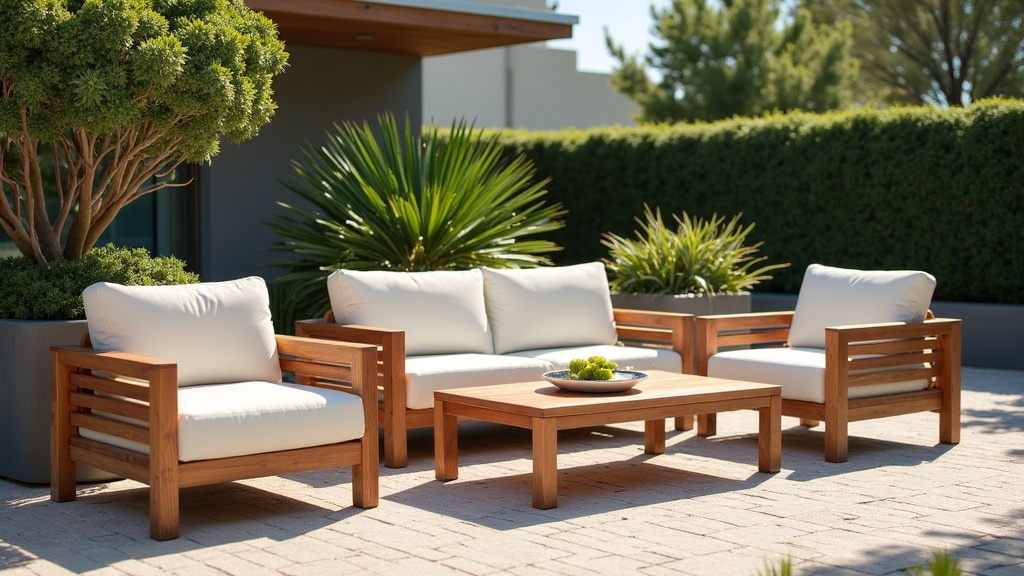
Whether you’re leaning towards teak or eucalyptus, there are a few things to keep in mind when you’re browsing. The quality of the wood and how it’s constructed makes a big difference in how long your furniture will last.
Construction Quality Matters
No matter the wood type, check how the furniture is put together. Are the joints sturdy? Are they using screws or dowels that are weather-resistant? We found that good craftsmanship is just as important as the wood itself. Look for pieces that are well-assembled with strong hardware.
Look for Certifications
For teak, look for certifications like the Forest Stewardship Council (FSC). This ensures the wood comes from responsibly managed forests. This is important for both environmental reasons and to ensure you’re getting genuine, high-quality teak. Many sources, including the World Wildlife Fund, point to FSC certification as a mark of sustainable forestry.
Consider the Finish
For eucalyptus, pay attention to the finish applied. A good quality sealant or protective coating is a sign that the manufacturer understands the wood’s needs. Even with a good finish, remember that you’ll need to maintain it. For teak, the finish is less critical as the wood’s natural oils are the primary protector.
Making Your Final Decision: A Simple Checklist
To wrap up, here’s a quick checklist to guide your choice:
- Assess your budget: How much are you willing to spend upfront and over time?
- Evaluate your time for maintenance: Do you enjoy upkeep, or do you prefer low-maintenance options?
- Consider your climate: How harsh are the weather conditions where you live?
- Think about the desired look: Do you love the idea of a natural patina, or do you prefer a consistent color?
- Check for quality construction: Inspect joints, hardware, and overall assembly.
- Look for sustainability certifications: Especially important if you’re choosing teak.
Conclusion
Choosing between teak and eucalyptus for your outdoor furniture comes down to balancing your budget with your maintenance expectations. Teak offers unmatched, low-maintenance durability and a timeless appeal, making it a wise long-term investment despite its higher initial cost. Eucalyptus provides a beautiful, more affordable option but requires a commitment to regular sealing and care to ensure it stands up to the weather. By considering these factors and checking for quality construction, you can select furniture that perfectly suits your lifestyle and outdoor space for years to come.
Frequently Asked Questions
How long does eucalyptus furniture typically last compared to teak?
With diligent maintenance, eucalyptus furniture can last between 10 to 20 years. Teak furniture, on the other hand, can last 50 years or more with proper care, thanks to its natural resilience.
Can I leave eucalyptus furniture outside all year round?
While you can leave eucalyptus furniture outside, it’s highly recommended to protect it during harsh weather seasons. Covering it or storing it indoors can significantly extend its lifespan and prevent damage from extreme temperatures and moisture.
What happens if I don’t seal eucalyptus wood regularly?
If you don’t regularly seal eucalyptus wood, it can become dry, leading to cracking and fading. It also becomes more susceptible to moisture damage, mold growth, and general wear and tear from the elements.
Does teak furniture require any special cleaning products?
Teak furniture typically only needs mild soap and water for annual cleaning. If you choose to maintain its original color, you might use a specialized teak cleaner or sealant, but it’s not strictly necessary for its longevity.
Is it worth paying more for teak if I’m on a budget?
If your budget is very tight, eucalyptus is a great choice. However, if you can invest a bit more upfront, teak often proves more economical over time due to its much longer lifespan and minimal maintenance needs, saving you money and hassle in the long run.