Teak vs Cedar for Shower Bench: What Every Owner Should Know

When choosing between teak and cedar for your shower bench, both are great options, but teak is generally the superior choice for durability and water resistance in a wet environment. Cedar can work, but it requires more care to prevent warping and rot over time. This guide helps you decide which wood is best for your bathroom.
You want a shower bench that looks good and lasts. Teak wood is famous for its natural oils, making it incredibly resistant to moisture and decay. Cedar, while also aromatic and naturally resistant to insects, is a bit softer and can absorb more water if not properly sealed and maintained. We’ll help you understand the key differences to make an informed decision for your shower.
- Teak is the top pick for shower benches due to its natural oils and water resistance.
- Cedar is a good choice but needs more maintenance to prevent moisture damage.
- Consider your budget and how much upkeep you’re willing to do.
- Both woods offer natural beauty and a spa-like feel to your bathroom.
- We break down the pros and cons to help you choose wisely.
Let’s dive into what makes each wood suitable, or not so suitable, for your bathroom oasis.
Choosing the Right Wood for Your Shower Bench: Teak vs. Cedar
You’re looking to add a shower bench to your bathroom, and wood seems like the natural choice. Two popular options are teak and cedar. Both bring a touch of nature and warmth to your space. But which one will stand up better to the steamy, wet conditions of your shower? We’ve researched this to help you make the best decision for your bathroom’s longevity and appearance.
Deciding between teak and cedar involves looking at their natural properties and how they perform in a high-moisture environment. Teak is often considered the gold standard for outdoor furniture and marine applications because of its exceptional water resistance. Cedar, while also naturally resistant to rot and insects, has different characteristics that might affect its suitability for a shower bench.
Understanding Teak Wood: The Premium Choice
Teak is a tropical hardwood. It’s known worldwide for its outstanding durability and beauty. Many people choose teak for its natural resilience in challenging conditions. This makes it a top contender for shower benches.
Natural Oils and Water Resistance
What makes teak so special? It’s packed with natural oils. These oils act like a built-in sealant. They make the wood highly resistant to water absorption. This means teak is less likely to swell, warp, or rot when exposed to moisture. Research shows these oils repel water effectively (Forest Products Laboratory).
Think of it like a duck’s feathers. Water just beads up and rolls off. This natural defense is why teak is used on boats and in humid climates. For your shower, this means a bench that can handle daily steam and splashes with minimal fuss.
Durability and Longevity
Teak is also incredibly strong and dense. This density contributes to its long lifespan. It resists wear and tear, even in a busy shower. You can expect a well-maintained teak bench to last for many years, perhaps even decades.
When you invest in a teak shower bench, you’re investing in a piece that’s built to last. Its natural strength means it can support weight reliably and maintain its structure over time. This is a key factor for something you’ll use every day.
Aesthetic Appeal
Beyond its practical benefits, teak offers a beautiful, warm golden-brown color. It can develop a lovely silvery-gray patina if left unfinished and exposed to sunlight over time. This natural aging process is part of teak’s charm for many.
The rich grain patterns in teak add a touch of elegance. It can transform a standard shower into a spa-like retreat. This visual appeal is a major draw for homeowners looking to enhance their bathroom’s design.
Maintenance for Teak
While teak is low maintenance, it still needs some care. To keep its original color, you might want to apply a teak oil or sealant periodically. This also adds an extra layer of protection. To maintain its color, you might want to apply teak oil or sealant periodically.
If you prefer the natural patina, cleaning is still important. Regular wiping with a mild soap and water solution will prevent soap scum buildup. You should also ensure good ventilation in your shower to help the wood dry between uses. This simple care routine helps preserve its beauty and integrity.
Exploring Cedar Wood: The Aromatic Alternative
Cedar is another beautiful wood choice for bathrooms. It’s well-known for its pleasant aroma and natural resistance to insects and decay. Many people love the scent cedar brings into their homes.
Natural Resistance to Pests and Rot
Like teak, cedar has natural compounds that help it resist decay and insect infestations. This is due to substances called extractives found in the wood (U.S. Forest Service). These extractives make it a durable option, particularly in outdoor settings.
However, the type of cedar matters. Western Red Cedar is often used for its superior resistance compared to other varieties. Its natural defenses are a good starting point for bathroom use.
Moisture Absorption and Potential Issues
Cedar is generally less dense than teak. This means it can absorb more moisture if not properly sealed. In a shower environment, constant exposure to water can be a challenge for cedar.
If cedar absorbs too much water, it can lead to issues like swelling and warping. Over time, this can compromise the wood’s integrity. Unlike teak’s natural oils, cedar’s protection is not as robust against prolonged wetness.
Aesthetic Qualities of Cedar
Cedar typically has a reddish-brown to pinkish-brown color. It has a fine, straight grain. The most striking feature is its distinct, pleasant aroma. This scent is often associated with freshness and relaxation.
The visual appeal of cedar is undeniable. It brings a warm, inviting feel to any space. The natural color variation can create a beautiful, rustic look in your shower.
Maintenance for Cedar Shower Benches
Cedar requires diligent maintenance to perform well in a shower. You’ll need to seal it regularly with a high-quality waterproof sealant. This is crucial for preventing water damage.
After each use, it’s highly recommended to wipe down your cedar bench to remove excess moisture. Ensuring good air circulation in the shower is also important for helping the wood dry completely. Without this consistent care, cedar is more prone to developing mold or rot.
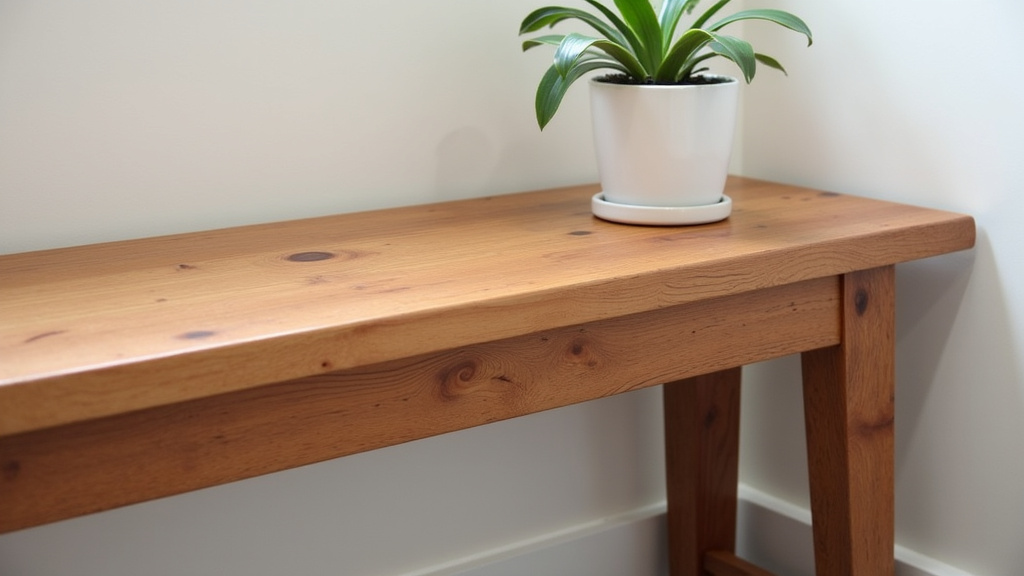
Comparing Teak and Cedar: Key Differences at a Glance
To help you visualize the differences, let’s look at how they stack up side-by-side. This comparison focuses on factors most important for a shower bench.
| Feature | Teak | Cedar |
|---|---|---|
| Natural Water Resistance | Excellent (high oil content) | Good (but less than teak) |
| Durability | Very High (dense, strong) | Moderate to High (depends on type) |
| Moisture Absorption | Very Low | Moderate |
| Maintenance Needs | Low to Moderate (optional sealing) | High (regular sealing and drying required) |
| Resistance to Rot/Decay | Excellent | Good |
| Cost (General) | Higher | Moderate |
| Aroma | Mild, pleasant woody scent | Distinct, strong aromatic scent |
Durability in Wet Environments
Teak’s natural oils give it a distinct advantage in constantly wet conditions. It’s inherently equipped to handle moisture. Cedar offers good resistance, but it’s not quite on the same level as teak.
For a shower bench, where the wood is regularly saturated, teak’s superior water repellency means less worry about long-term damage. It’s the more forgiving option if maintenance is occasionally overlooked.
Maintenance Commitment
How much time are you willing to spend on upkeep? If you want a bench that requires minimal effort, teak is likely your best bet. A quick wipe-down is usually sufficient.
Cedar, while beautiful, demands more attention. Regular sealing and thorough drying are key to preventing issues. If you’re not prepared for this level of commitment, cedar might not be the ideal choice for your shower.
Budget Considerations
Generally, teak wood is more expensive than cedar. This is due to its desirable properties, slower growth, and sometimes more complex harvesting and processing. Teak is often seen as a premium material.
Cedar is typically more affordable. This can make it an attractive option if you’re working with a tighter budget. However, it’s important to factor in the potential cost of higher maintenance and possible earlier replacement if not cared for meticulously.
A Checklist for Your Decision
To make choosing easier, consider these points:
- Prioritize Water Resistance: How much moisture will your bench face daily?
- Assess Your Maintenance Style: Are you a meticulous cleaner or do you prefer low-fuss items?
- Consider Your Budget: How much are you willing to invest upfront and over time?
- Think About Longevity: Do you want a piece that lasts for decades or just a few years?
- Aesthetic Preference: Which wood’s look and feel do you prefer for your bathroom?
By answering these questions for yourself, you can lean towards the wood that best fits your needs and lifestyle.
Conclusion
You’ve learned that for a shower bench, teak stands out as the top choice due to its natural oils and superior water resistance. It offers impressive durability and requires less intensive maintenance. Cedar can be a beautiful and aromatic option, but it demands more diligent upkeep and sealing to prevent moisture damage. Ultimately, your decision hinges on balancing your desire for low maintenance and long-term performance with your budget and how much care you’re willing to provide. Choose the wood that aligns best with your lifestyle for a beautiful and lasting addition to your shower.
Frequently Asked Questions
Is teak truly worth the higher cost for a shower bench?
Yes, teak’s exceptional natural water resistance and durability often make it a worthwhile investment. You’ll likely find it lasts much longer and requires less worry about water damage compared to other woods, potentially saving you money and hassle in the long run.
How often do I need to seal a cedar shower bench?
It’s generally recommended to reseal a cedar shower bench at least every 6-12 months, depending on the sealant used and how frequently your shower is used. Always check the sealant manufacturer’s instructions for best results.
Can I use regular furniture polish on a teak shower bench?
No, avoid regular furniture polishes. For teak, it’s best to use specialized teak oil or a marine-grade sealant designed for outdoor or marine applications. This helps maintain its natural oils and protective qualities.
Will a cedar bench stain my towels?
Cedar can sometimes leach tannins, which might cause slight discoloration on very light or white towels, especially when wet. Ensuring the cedar is properly sealed and dried can minimize this risk.
What’s the best way to dry a wooden shower bench after use?
After each shower, use a clean towel to wipe down your wooden bench, removing as much surface moisture as possible. Good ventilation in your bathroom, perhaps by leaving the shower door or curtain slightly open, also helps the wood dry completely between uses.