Teak vs Acrylic Shower Seat: A Few Key Facts
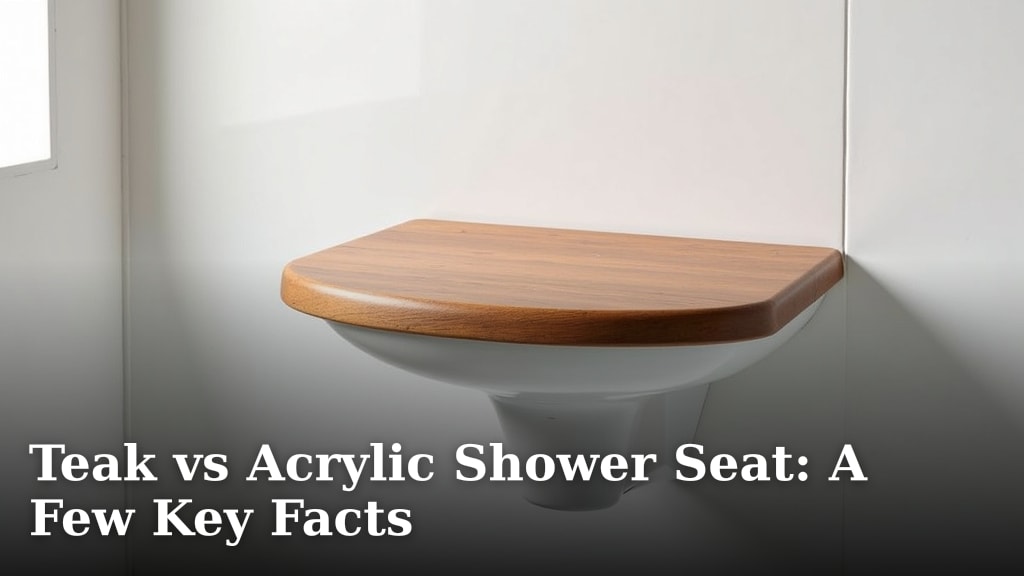
Choosing between a teak shower seat and an acrylic shower seat depends on what you prioritize for your bathroom. Teak offers natural water resistance and a warm, spa-like feel, while acrylic provides a lightweight, modern look and is generally more budget-friendly. Both can be excellent choices for adding comfort and safety to your shower space.
When planning your shower upgrade, considering the long-term durability and maintenance needs of different materials is key. Teak’s natural oils help it resist mold and mildew, but it does require occasional conditioning. Acrylic is easier to clean but can scratch over time if not handled with care. We found that understanding these core differences helps shoppers make the best decision for their specific needs.
- Teak is naturally water-resistant and looks spa-like.
- Acrylic is lighter, often cheaper, and has a modern look.
- Teak needs occasional conditioning to maintain its finish.
- Acrylic is easy to clean but can scratch.
- Your choice depends on budget, style, and maintenance preference.
Let’s walk through the key facts for each material so you can feel confident in your shower seat choice.
You’ve decided a shower seat is a must-have for your bathroom. That’s a smart move for comfort and safety! Now comes the fun part: picking the right material. We’re here to help you sort through the options, focusing on two popular choices: teak and acrylic. Both can serve you well, but they offer very different experiences and require different care.
Understanding Your Shower Seat Material Options
Choosing the right material means looking beyond just looks. You want something that will stand up to a steamy, wet environment. You also want it to fit your bathroom’s style and your own maintenance routine. Let’s break down the core characteristics of teak and acrylic, so you can make an informed decision.
Teak: The Natural Choice for Durability and Warmth
Teak wood has been a favorite for boats and outdoor furniture for a reason. It’s a hardwood known for its natural resilience. You’ll find that teak’s golden-brown color and subtle grain add a touch of spa-like luxury to your shower. This wood offers a warm, inviting feel that synthetic materials just can’t match.
Why Teak Stands Out in the Shower
What makes teak so special for a wet environment? It’s all about its natural oils. These oils make teak highly resistant to water. They act like a built-in shield against moisture, preventing the wood from rotting or decaying. Many experts note this natural oil content as the primary reason for teak’s longevity in damp conditions (Forest Products Laboratory).
This means you’re less likely to encounter mold or mildew issues compared to other woods. While no material is completely immune to the elements, teak puts up a very good fight. You’re investing in a material that’s designed to handle moisture gracefully.
Maintenance: Keeping Your Teak Seat Looking Its Best
Teak isn’t entirely maintenance-free, but its needs are generally simple. Over time, exposure to water and soap can cause the wood’s surface to develop a silvery-gray patina. Some people love this weathered look, finding it adds character. If you prefer to keep that original warm, golden-brown hue, you’ll need to do a little upkeep.
We found that a simple cleaning with a mild soap and water solution is usually enough for daily care. For deeper cleaning or to restore the color, you might use a specialized teak cleaner. Periodically, say once or twice a year, applying a teak oil or sealer can help replenish the natural oils and protect the wood. This conditioning process keeps it looking its best and further enhances its water-repellent qualities. Think of it like moisturizing your skin – it keeps the wood healthy and vibrant.
Cost Considerations for Teak
Let’s talk budget. Teak is a premium material, and its price reflects that. You’ll generally find that teak shower seats are more expensive upfront compared to acrylic options. This higher cost is due to the wood’s natural qualities, its durability, and the process of sourcing and preparing it. However, many homeowners feel the long-term benefits and the aesthetic appeal make it a worthwhile investment.
Acrylic: The Lightweight and Modern Option
Acrylic is a type of plastic known for its strength, clarity, and versatility. Shower seats made from acrylic offer a sleek, modern look. They often come in a range of colors, allowing you to match your bathroom’s decor precisely. If you’re going for a clean, minimalist design, acrylic can be a fantastic fit.
Performance of Acrylic in Wet Environments
Acrylic is inherently water-resistant. It doesn’t absorb moisture, which prevents it from swelling, warping, or rotting. This makes it a practical choice for bathrooms where humidity is a constant factor. You won’t have to worry about it degrading from water exposure over time.
Because it’s a non-porous material, acrylic is also very hygienic. It’s less likely to harbor bacteria or allow mold and mildew to take root compared to some other materials. This ease of sanitation is a major plus for many homeowners looking to maintain a clean bathroom space.
Care and Cleaning for Your Acrylic Seat
Cleaning an acrylic shower seat is generally straightforward. A soft cloth with a mild soap and water solution is your best friend here. It effectively removes soap scum and water spots. You’ll want to avoid harsh chemicals or abrasive scrubbing pads. These can scratch the surface, dulling its shine and potentially creating an entryway for dirt and grime.
We found that most manufacturers recommend using only non-abrasive cleaners specifically designed for acrylic or plastic surfaces. Wiping it down after each shower can prevent water spots from drying and becoming harder to remove. While acrylic is durable, it’s not indestructible, so gentle care ensures it stays looking great for years.
The Budget-Friendly Advantage of Acrylic
When it comes to cost, acrylic shower seats typically come in at a more affordable price point than teak. This makes them an attractive option for those on a tighter budget or for larger renovation projects where costs can add up quickly. You can often get a stylish and functional acrylic seat without breaking the bank. This cost-effectiveness allows you to allocate funds to other desired bathroom upgrades.
Comparing Teak and Acrylic: Key Differences at a Glance
To help you visualize the differences, let’s look at how they stack up in a few key areas. This comparison should make your decision process a bit clearer.
| Feature | Teak Shower Seat | Acrylic Shower Seat |
|---|---|---|
| Water Resistance | Excellent (natural oils) | Excellent (non-porous) |
| Durability | Very High (resists rot/decay) | High (can scratch) |
| Maintenance | Requires occasional conditioning/oiling | Easy to clean, avoid abrasives |
| Aesthetics | Warm, spa-like, natural wood grain | Sleek, modern, available in colors |
| Cost | Higher | Lower |
| Weight | Heavier | Lighter |
Weight and Installation Considerations
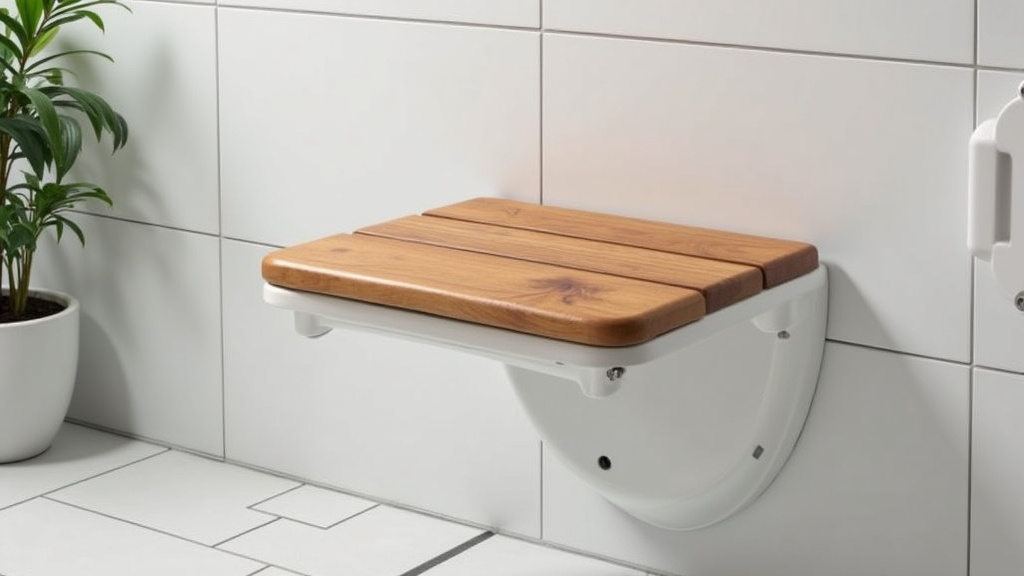
When you’re thinking about installing your new shower seat, weight can be a factor. Teak is a dense hardwood, so teak seats tend to be heavier. This might require a more robust mounting system, especially if you’re not installing directly into wall studs. Always follow the manufacturer’s installation instructions carefully.
Acrylic seats, on the other hand, are generally much lighter. This can make them easier to handle during installation. Many acrylic seats are designed to be wall-mounted, while some are freestanding. Regardless of the material, ensuring the seat is securely fastened is the most important step for safety.
Environmental Impact and Sourcing
For some shoppers, the source of their materials matters. Teak is a natural wood, and its sustainability depends on responsible forestry practices. We found that looking for teak that is certified by organizations like the Forest Stewardship Council (FSC) ensures it comes from responsibly managed forests. This is good for the environment and helps support ethical sourcing.
Acrylic is a synthetic material, a type of plastic. Its production involves manufacturing processes that have an environmental footprint. However, acrylic is known for its longevity, meaning a well-maintained acrylic seat can last for many years, reducing the need for frequent replacement. Many acrylic products are also recyclable at the end of their life.
Making Your Final Decision: A Quick Checklist
Feeling a bit clearer on your options? Here’s a quick checklist to help you weigh your priorities:
- Do you prefer a natural, spa-like feel? Teak might be your winner.
- Are you looking for a modern, sleek aesthetic? Acrylic could be perfect.
- What’s your budget for this project? Acrylic is typically more budget-friendly.
- How much time do you want to spend on maintenance? Teak needs conditioning; acrylic needs gentle cleaning.
- Are you concerned about scratches? Teak is more resistant to surface damage than acrylic.
- Do you want the lightest material for easier installation? Acrylic is the lighter choice.
Conclusion
Choosing your perfect shower seat comes down to your personal preferences. You’ve seen how teak offers a natural, spa-like feel with inherent water resistance, though it requires a bit of conditioning to maintain its warm glow. On the other hand, acrylic provides a sleek, modern look that’s easy to clean and usually more budget-friendly. We found that both materials are excellent for adding comfort and safety. Your best next step is to consider your bathroom’s style, your maintenance routine, and your budget to make the choice that feels right for you.
Frequently Asked Questions
Will a teak shower seat get moldy?
Teak wood is naturally resistant to mold and mildew due to its high oil content. While no material is entirely immune, teak stands up very well to damp shower environments. Regular cleaning and occasional conditioning will help keep it looking its best and further prevent any mold growth.
Can I use regular bathroom cleaners on an acrylic shower seat?
It’s best to use mild soap and water or cleaners specifically designed for acrylic or plastic surfaces. Harsh chemicals or abrasive scrubbers can scratch the acrylic, dulling its finish over time. Always check the manufacturer’s recommendations for cleaning agents.
Is teak a good choice if I want a low-maintenance bathroom?
Teak requires less intensive maintenance than many other woods, but it’s not completely maintenance-free. To keep its original color and protect the wood, you’ll want to clean it regularly and apply teak oil or sealer a couple of times a year. If zero maintenance is your goal, acrylic might be a simpler option.
Which type of shower seat is better for a smaller, modern bathroom?
For a smaller, modern bathroom, an acrylic shower seat often fits the aesthetic perfectly. Acrylic seats typically have a sleeker, more minimalist design and come in various colors to match your decor. They are also generally lighter, which can be a consideration in smaller spaces.
Are teak shower seats heavier and harder to install?
Yes, teak is a dense hardwood, making teak shower seats heavier than acrylic ones. This means you might need a more robust mounting system or ensure you’re attaching it securely to wall studs. Always follow the specific installation instructions provided by the manufacturer for safety.