Teak vs Cedar Wood Durability: What Really Matters
When comparing teak vs cedar wood durability, the answer is that teak is generally more durable and resistant to rot and insects. Both woods are excellent choices for outdoor furniture, but teak’s natural oils give it a distinct advantage in longevity and requires less maintenance. You might be wondering which one is truly the better investment for your deck or patio.
Many people love cedar for its fragrant scent and attractive look. It’s also a lighter wood, making it easier to handle. However, when it comes to standing up to harsh weather and pests over many years, teak’s dense grain and high oil content make it the champion of outdoor wood durability. We found that while cedar can last a good long while, teak often outlives it, especially in challenging climates.
- Teak wood is typically more durable than cedar.
- Teak has natural oils that resist rot and insects better.
- Cedar is aromatic and easier to work with but may need more upkeep.
- Consider your climate and desired maintenance level when choosing.
- Both are good for outdoor use, but teak often wins on longevity.
Let’s break down what makes each wood unique and help you decide which one is the right fit for your outdoor space.
You’re thinking about outdoor furniture, and the big question is: teak or cedar? Both are fantastic choices for decks, patios, and gardens. But when it comes to how long they last and how much care they need, there are some real differences. Let’s look at what makes each wood stand up to the elements.
Comparing Teak and Cedar for Outdoor Longevity
When we talk about wood durability for outdoor use, we’re usually asking about its ability to resist decay, insect damage, and weathering. Both teak and cedar have natural qualities that help them do this. But one definitely has an edge.
Teak Wood’s Natural Defenses
Teak is often called the king of outdoor woods, and for good reason. This tropical hardwood is packed with natural oils. These oils act like a built-in shield against moisture, rot, and common wood-boring insects like termites. Research shows that teak’s dense grain and high silica content also contribute to its strength and resistance to decay (Forest Products Laboratory). Discover where teak wood originates and what that means for its quality.
The natural oils in teak are key. They keep the wood from drying out, cracking, or warping, even when exposed to harsh sun and heavy rain. This means teak furniture can last for decades, often 50 years or more with minimal upkeep. It’s a bit like having furniture that takes care of itself. Many experts say teak’s natural resilience is why it’s a top choice for boat decks and outdoor furniture in extreme climates.
Cedar Wood’s Strengths and Weaknesses
Cedar, on the other hand, is a softwood known for its beautiful color and pleasant, aromatic scent. This scent comes from natural oils, but they are different from teak’s. Cedar’s natural oils provide some protection against rot and insects, but not to the same degree as teak. Its cellular structure is also more open, making it lighter and easier to work with.
Western Red Cedar, a popular type for outdoor projects, contains compounds called thujaplicins and thiocyanates. These give it a degree of insect and decay resistance. However, cedar is softer than teak. This means it can dent and scratch more easily. Over time, especially in wet or humid environments, cedar can succumb to rot and insect damage faster than teak. We found that while cedar is a great option, it typically has a shorter lifespan than teak.
Factors Affecting Wood Durability
Wood’s lifespan isn’t just about the type of tree it came from. Many factors play a role in how long your outdoor furniture will last. Understanding these can help you make a smarter choice.
Climate and Weather Exposure
Where you live makes a big difference. If you’re in a region with constant high humidity, heavy rainfall, or intense sunlight, your wood will be put to the test. Teak’s natural oils and dense structure are excellent at repelling moisture and resisting UV damage. Cedar, while somewhat resistant, can absorb more moisture and may show wear sooner in these conditions.
Research indicates that woods with higher natural oil content and denser grain structures generally perform better in harsh climates. This is why teak is often recommended for coastal areas or places with extreme weather swings. Cedar can perform well in drier climates, but you might need to provide more protection.
Maintenance and Care
How much time are you willing to spend on your furniture? This is a huge factor in longevity. Teak, if left untreated, will weather to a beautiful silvery-gray color. It doesn’t require sealing or staining to protect it. This low-maintenance aspect is a major draw for many homeowners.
Cedar, however, benefits greatly from regular maintenance. Applying a sealant or stain every year or two can significantly extend its life and help it retain its color. Without this care, cedar may fade, crack, or become more vulnerable to rot. Many people love the look of weathered cedar, but if you want it to last as long as possible, some upkeep is necessary. We found that the level of maintenance you’re prepared for is a key consideration.
Insect and Rot Resistance Naturally
This is where teak really shines. Its high concentration of natural oils and resins makes it highly unappealing to termites, borers, and other wood-eating insects. It’s also naturally resistant to fungal growth that causes rot. Think of it like a built-in pest control system. Understanding teak oil can help you maintain its natural resilience.
Cedar also has natural oils that deter some insects and fungi. However, these oils are less potent than teak’s. Over many years, cedar can become a target for certain pests or decay, especially if it’s in constant contact with soil or damp surfaces. It’s a good natural defense, but not an impenetrable one.
Teak vs. Cedar: A Quick Comparison Table
To help you see the differences side-by-side, here’s a look at some key features:
| Feature | Teak | Cedar |
|---|---|---|
| Natural Oils | Very High (resists rot & insects) | Moderate (some resistance) |
| Durability | Very High (dense, strong) | Moderate (softer wood) |
| Lifespan (typical) | 50+ years | 15-25 years (with maintenance) |
| Maintenance Required | Low (optional sealing/oiling) | Moderate to High (regular sealing/staining recommended) |
| Insect Resistance | Excellent | Good |
| Rot Resistance | Excellent | Good |
| Weight | Heavy | Light |
| Cost (approx.) | Higher | Lower |
Understanding Wood Density and Grain
The physical structure of the wood matters a lot. Teak has a very dense grain. This means the wood fibers are packed tightly together. This density makes it incredibly strong and resistant to scratches and dents. It also helps keep moisture out.
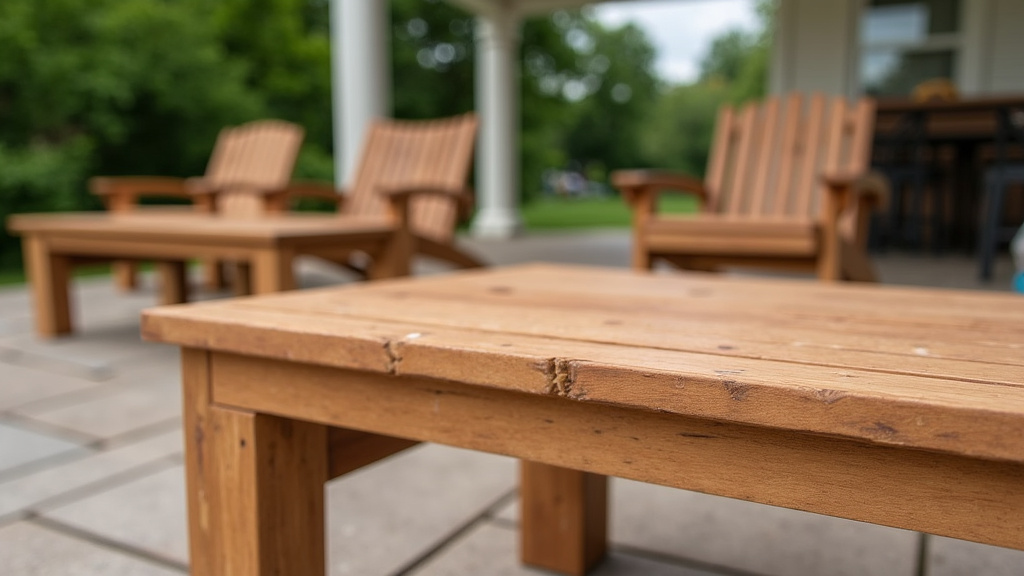
Cedar, being a softwood, has a less dense grain. This makes it lighter and easier to cut or shape, which is why DIYers often choose it. However, this open grain structure can absorb moisture more readily. It also makes it more susceptible to physical damage like dents and gouges compared to teak. We found that density is a strong indicator of how well a wood will hold up to wear and tear.
Which Wood is Right for Your Project?
Choosing between teak and cedar really comes down to your priorities. Are you looking for furniture that will last generations with minimal fuss? Or is budget and ease of handling more important, with the understanding that a little more care will be needed?
When Teak Makes the Most Sense
You should consider teak if you want maximum longevity and minimal maintenance. It’s an investment that pays off over time. If you live in a challenging climate with heavy rain, high humidity, or intense sun, teak is a superior choice. It’s also ideal if you simply want to “set it and forget it” and enjoy beautiful, durable furniture for decades.
Many homeowners opt for teak when they want a truly premium outdoor experience. The natural beauty of teak, combined with its unparalleled durability, makes it a top-tier material. While the upfront cost is higher, the long-term value is exceptional.
When Cedar Might Be a Better Fit
Cedar is a fantastic choice if you’re looking for something that is more budget-friendly and easier to handle. Its beautiful natural color and pleasant scent are big advantages. If you don’t mind performing a bit of annual maintenance – like cleaning and re-sealing – cedar can still provide many years of enjoyment.
It’s also a good option if your outdoor space isn’t exposed to extreme weather conditions. If you live in a drier climate and your furniture is under a covered porch, cedar can hold up quite well. Many people love the rustic charm that cedar brings to a garden or patio. We found that cedar offers a great balance of beauty and performance for many homeowners.
Your Outdoor Wood Checklist
To help you decide, consider these points:
- Climate: How harsh are your local weather conditions?
- Budget: What is your initial investment and long-term cost tolerance?
- Maintenance: How much time can you commit to upkeep?
- Desired Lifespan: How many years do you expect your furniture to last?
- Appearance: Do you prefer the natural weathering of teak or the classic look of cedar?
- Pest Concerns: Are you in an area with high insect or rot issues?
Conclusion
When choosing between teak and cedar for your outdoor projects, teak stands out as the superior choice for unmatched durability and low maintenance. Its natural oils and dense grain offer exceptional resistance to rot, insects, and harsh weather, promising a lifespan of 50 years or more. Cedar is a more budget-friendly and lighter option with a pleasant scent, but it requires more frequent upkeep and typically lasts 15-25 years with proper care. Ultimately, your decision should align with your budget, available time for maintenance, and desired longevity for your beautiful outdoor space.
Frequently Asked Questions
Can I leave cedar furniture outside year-round without it rotting?
While cedar has natural resistance to rot, leaving it exposed to constant moisture, especially in humid climates or direct contact with the ground, can still lead to decay over time. For the longest lifespan, it’s best to protect cedar with sealants and consider covering it or storing it during harsh weather seasons.
Will teak furniture really last 50 years?
Yes, with proper care, teak furniture is known to last for many decades, often exceeding 50 years. Its dense structure and high natural oil content make it incredibly resistant to decay, insects, and weathering, allowing it to maintain its integrity for a very long time.
Is teak furniture too expensive for most people?
Teak furniture generally has a higher upfront cost compared to cedar. However, many homeowners find it to be a worthwhile investment due to its exceptional longevity and minimal maintenance needs. Over its lifespan, the cost per year of use can actually be quite competitive.
What happens if I don’t maintain my cedar furniture?
If you don’t maintain your cedar furniture, it will likely fade to a silvery-gray color and may develop cracks or splits over time. Without regular sealing or staining, it becomes more susceptible to moisture absorption, rot, and insect damage, significantly shortening its lifespan.
Can I use teak oil on cedar furniture?
While you can apply teak oil to cedar, it’s not the most effective treatment for cedar’s specific needs. Cedar benefits more from clear sealants or stains designed to protect softwood from moisture and UV rays, helping it retain its color and structure longer.