Teak vs Vinyl Shower Seat: A Few Things to Know
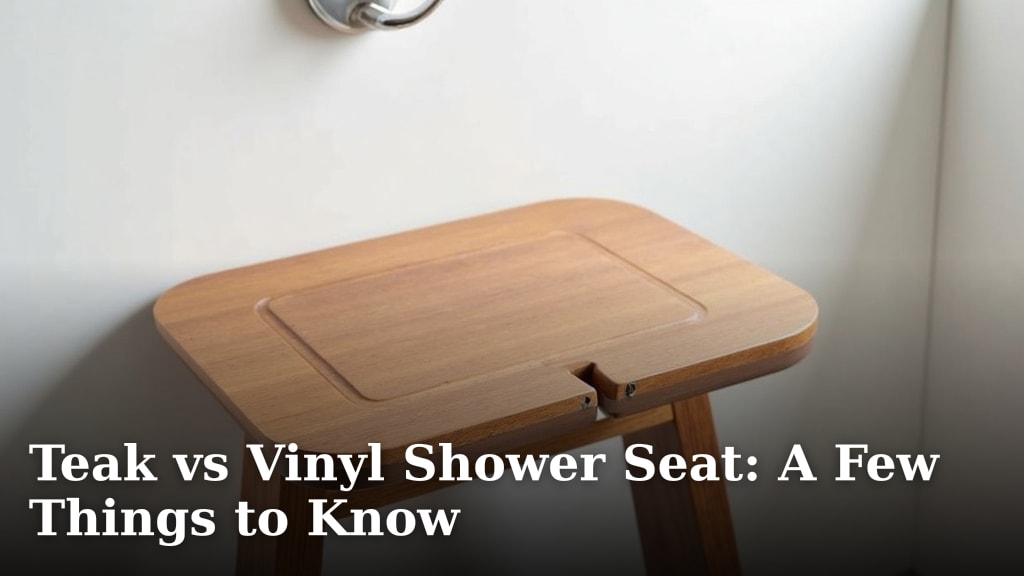
When choosing between a teak vs vinyl shower seat, the decision often comes down to durability and aesthetics. Teak offers a natural, warm look and excellent water resistance, making it a beautiful, long-lasting choice. Vinyl, on the other hand, is typically more budget-friendly and requires less maintenance. We’ve researched both to help you pick the best fit for your bathroom.
Your shower seat needs to be both functional and safe. Teak wood is known for its natural oils that repel water and resist rot, meaning it can last for many years with proper care. Vinyl is a good choice if you want something that is easy to clean and waterproof. We found that both materials have their own unique advantages.
- Teak is naturally water-resistant and durable.
- Vinyl is typically more affordable and low-maintenance.
- Consider the look and feel you want for your bathroom.
- Both can offer a safe place to rest during your shower.
Let’s break down the key differences between teak and vinyl shower seats to help you make the right choice for your needs.
Teak vs. Vinyl Shower Seats: Making the Right Choice
When you’re looking for a shower seat, you want something that’s both practical and safe. Teak wood and vinyl are two popular choices. We’ve looked into what makes each one stand out. Your decision might depend on what you need most, like how it looks, how long it lasts, and how much work it is to keep clean. Let’s compare them.
Understanding Teak Shower Seats
Teak is a hardwood known for its beauty and durability. It comes from trees native to South Asia. Many people choose teak for its natural elegance. It brings a spa-like feel right into your bathroom. It’s also a very sturdy material, which is important for a shower seat. Learn more about why teak is considered one of the longest-lasting hardwoods.
The Natural Advantages of Teak
One of the biggest benefits of teak is its natural water resistance. This is due to its high oil content. These natural oils prevent water from soaking into the wood. This makes teak highly resistant to rot and decay. Many experts point to teak’s natural properties as why it’s used for boat decks and outdoor furniture (Forest Products Laboratory). It can handle damp environments without falling apart easily. This means your teak shower seat can last for many years if you care for it properly.
Durability and Longevity
Teak is a very strong and dense wood. This density makes it resistant to dents and scratches. Over time, teak will develop a beautiful silver-grey patina if left untreated. Some people love this aged look. Others prefer to maintain its golden-brown color. With basic maintenance, a teak shower seat can be a fixture in your bathroom for a long time.
Aesthetic Appeal
Teak offers a warm, natural, and luxurious look. Its rich color and fine grain can enhance any bathroom decor. It adds a touch of sophistication. If you’re aiming for a spa-like retreat at home, teak is a fantastic option. It feels solid and looks high-end. It’s a material that just feels good to touch.
Caring for Your Teak Shower Seat
While teak is naturally resistant, it still needs some care. Regular cleaning is key. You’ll want to wipe it down after each use. This helps remove soap scum and water spots. For deeper cleaning, you can use a soft brush and mild soap. Rinse it thoroughly and let it air dry. Periodically, you might want to apply a teak oil or sealer. This helps maintain its color and further protects the wood. However, many users skip this step and enjoy the natural silver patina.
Maintenance Steps
- Wipe down with a dry cloth after each shower.
- Clean with mild soap and water weekly.
- Rinse well and allow to air dry.
- Avoid harsh chemical cleaners.
- Consider applying teak oil annually if you want to preserve the color. If you want to preserve the color, learn more about applying teak oil annually.
The Cost Factor of Teak
Teak is often a pricier option compared to other materials. The cost reflects its durability, natural beauty, and the effort to harvest and process it sustainably. When you invest in teak, you’re often paying for a piece that will last a lifetime. It’s an investment in quality and longevity.
Exploring Vinyl Shower Seats
Vinyl, often made from PVC (polyvinyl chloride), is a synthetic material. It’s a popular choice for many household items. In bathrooms, vinyl offers a practical and budget-friendly solution. It’s readily available and comes in various styles.
The Practicality of Vinyl
Vinyl is known for being waterproof and easy to clean. This makes it a great fit for a shower environment. Spills and moisture are common in bathrooms. Vinyl handles these conditions without damage. It doesn’t absorb water, so it won’t warp or rot. This means less worry about moisture damage over time.
Low Maintenance Benefits
One of the main reasons people choose vinyl is its minimal maintenance requirement. You can usually clean it with a damp cloth or a non-abrasive household cleaner. Soap scum and mildew are common bathroom issues. Vinyl surfaces generally resist these well. A quick wipe-down is often all that’s needed to keep it looking fresh. This saves you time and effort compared to other materials.
Water Resistance and Hygiene
Vinyl is inherently waterproof. This means it doesn’t absorb liquids. This quality helps prevent the growth of mold and mildew, which thrive in damp environments. For those concerned about hygiene, vinyl can be a good choice. Its non-porous surface is easy to sanitize. Many healthcare settings choose vinyl surfaces for this reason (Centers for Disease Control and Prevention). It offers a clean and reliable surface.
Aesthetic Options with Vinyl
Vinyl shower seats can come in a wide range of colors and styles. You can find them in simple white, modern grey, or even wood-grain patterns. While they might not offer the same natural warmth as teak, they can still look quite nice. You can match them to your existing bathroom decor. Some vinyl seats are designed to mimic the look of other materials. This can be a good way to achieve a certain look on a budget.
The Budget-Friendly Aspect
Generally, vinyl shower seats are more affordable than teak. This makes them an accessible option for many shoppers. If you have a tight budget, vinyl is a practical way to get the functionality you need. The lower price point doesn’t mean they lack quality. They offer good value for the money. It’s a smart choice for practical bathrooms.
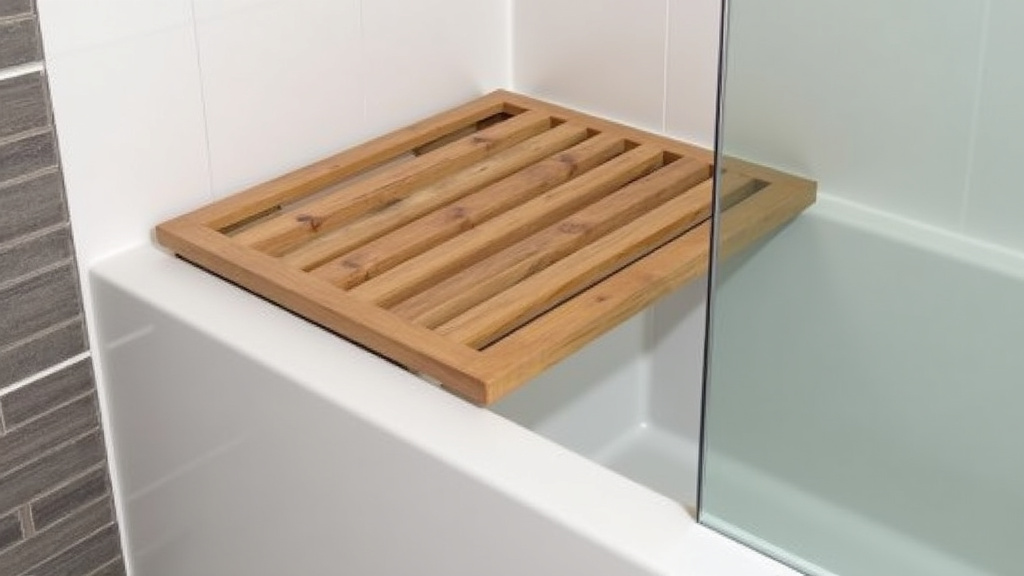
Comparing Teak and Vinyl: Key Differences
Let’s break down the core differences to help you decide. Both materials have their strengths and weaknesses. Your personal preferences and needs will guide your choice.
| Feature | Teak Shower Seat | Vinyl Shower Seat |
|---|---|---|
| Material | Natural hardwood | Synthetic (often PVC) |
| Durability | Very high, resistant to rot | Good, but can scratch or degrade over time |
| Water Resistance | Excellent (natural oils) | Excellent (waterproof) |
| Maintenance | Requires regular cleaning and occasional oiling/sealing | Low, easy to wipe clean |
| Aesthetics | Natural, warm, luxurious, develops patina | Wide variety of colors/styles, can mimic other materials |
| Cost | Higher price point | More affordable |
| Feel | Solid, natural wood feel | Can feel more plasticky or synthetic |
Which Material is Right for Your Shower?
Think about your priorities. Do you love the natural beauty of wood and want a spa-like feel? Teak might be your answer. Are you looking for something that’s easy to maintain and won’t break the bank? Vinyl could be the better option. We found that many people who choose teak are investing in its long-term appeal. Those who choose vinyl often prioritize convenience and cost-effectiveness.
Installation and Stability Considerations
Both teak and vinyl shower seats are designed for stability. Many are freestanding, while others can be mounted to the wall. Always check the installation instructions. A securely installed seat is vital for safety. We found that seats with adjustable legs can be helpful for uneven shower floors. Ensure the seat you choose is rated for the weight you expect it to hold. Both materials, when properly installed, should provide a safe place to rest.
Making Your Final Decision: A Checklist
To help you narrow down your choice, consider these points. They can guide you toward the shower seat that best fits your life.
- What is your budget for a shower seat?
- How much time do you want to spend on maintenance?
- What look and feel do you want for your bathroom?
- Are you looking for a long-term investment or a more temporary solution?
- Do you have any specific hygiene or allergy concerns?
- Is ease of cleaning a top priority for you?
By thinking through these questions, you can feel more confident about your choice between teak and vinyl. Both can serve the purpose of providing a comfortable and safe seating option in your shower.
Conclusion
Choosing between a teak and vinyl shower seat ultimately comes down to your personal preferences and priorities. Teak offers natural beauty, exceptional durability, and a luxurious feel, making it a long-term investment for your bathroom. If you prefer a low-maintenance, budget-friendly option that’s easy to clean, vinyl is a practical choice. We’ve found that both materials provide a safe and functional seating solution. Take a moment to consider your budget, desired aesthetic, and how much time you’re willing to dedicate to upkeep. Your ideal shower seat is out there!
Frequently Asked Questions
Will a teak shower seat get moldy?
Teak is naturally resistant to mold and mildew due to its high oil content, which repels water. However, like any natural material in a damp environment, it’s best to wipe it down after use and ensure good ventilation to prevent any surface growth. Regular cleaning will keep it looking its best.
Can you refinish a vinyl shower seat if it gets scratched?
Generally, vinyl shower seats are not designed to be refinished. Minor scratches might be less noticeable on certain finishes, but deep scratches or damage are usually permanent. You would typically need to replace the seat if significant cosmetic damage occurs.
How often should you oil a teak shower seat?
Oiling a teak shower seat is optional. If you want to maintain its original golden-brown color, you can apply teak oil annually or when it starts to look dull. Many people prefer to let their teak develop a natural silver-grey patina, which requires no oiling.
Are vinyl shower seats slippery when wet?
Most vinyl shower seats have textured surfaces to provide better grip and reduce slipping. Always check the product description and user reviews for specific models, as grip can vary. Ensuring the seat is placed on a dry, stable surface in your shower is also important for safety.
Is teak or vinyl better for a small bathroom?
For a small bathroom, the choice depends on your goals. A smaller, wall-mounted vinyl seat might save space and feel less imposing. If you want to add a touch of natural luxury to a compact space, a compact teak stool could also work well. Consider the visual weight and footprint of the design you choose.