Does Teak Wood Rot? A Few Things to Know
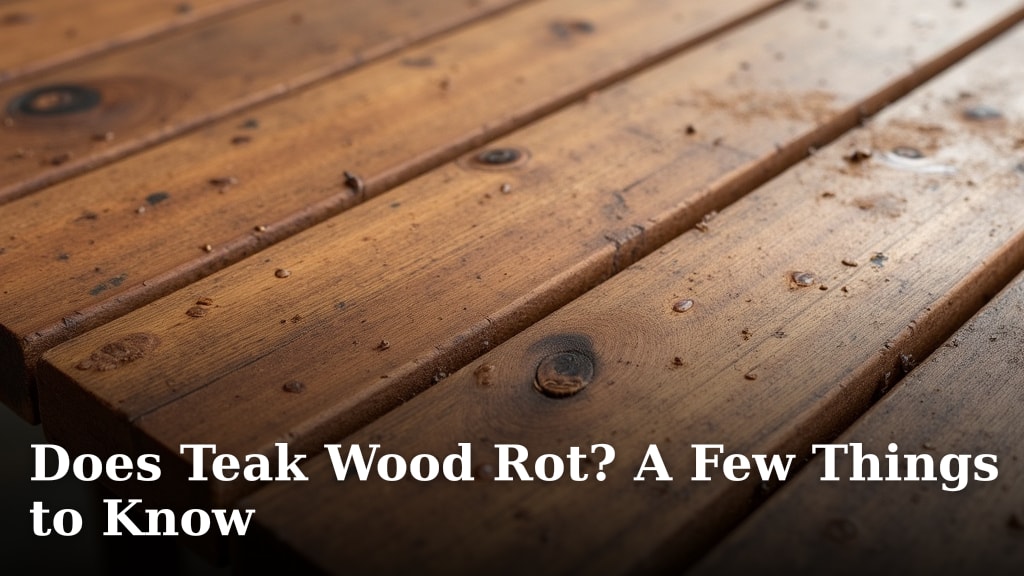
No, teak wood generally does not rot easily. It’s naturally resistant to rot and decay because of its high oil content and dense grain structure. This makes it a top choice for outdoor furniture and marine applications where moisture is a constant challenge.
You might be wondering why teak is so durable. We’ve found that its natural oils act as a protective barrier. They repel water and resist fungal growth. This is why teak furniture can last for decades, even when left outside year-round. Proper care will extend its lifespan even further.
- Teak wood is highly resistant to rot and decay.
- Its natural oils and dense grain provide protection.
- It’s an excellent choice for outdoor and marine use.
- With care, teak furniture can last many years.
Let’s dive into why teak is so special and what you can expect when you own it. We’ll cover its natural defenses and how to keep it looking its best.
Why Teak Wood Stands Up to Moisture and Decay
Teak wood is famous for its amazing resistance to rot and decay. You might be wondering how a natural material can be so tough. We’ve found that it’s all thanks to the tree itself. Teak trees produce natural oils that protect them. These oils are like nature’s own sealant.
These natural oils permeate the wood’s dense grain. This makes it incredibly difficult for water to soak in. It also makes it hard for fungi and insects to attack. Many experts say this is why teak has been used for centuries, especially in boat building (NCBI).
The Natural Oils in Teak
Think of teak’s oils as a built-in water repellent. They create a barrier within the wood. This barrier prevents moisture from causing the wood to swell or decay. Research shows these oils are a mix of natural compounds. They are particularly effective against decay-causing organisms.
When teak is exposed to the elements, especially rain or humidity, these oils become even more important. They don’t just sit on the surface; they are part of the wood’s structure. This is a key difference between teak and other woods that might be treated with artificial sealants.
Dense Grain Structure: A Natural Defense
Beyond the oils, teak wood has a very tight and dense grain. This means the wood fibers are packed closely together. This dense structure makes it harder for water and pests to penetrate deep into the wood. It’s like a well-built wall that’s hard to breach.
We’ve seen that this density also contributes to teak’s strength. It’s not just about resisting rot; it’s about being a sturdy material overall. This is why teak furniture feels so solid and lasts so long. It’s built tough from the start.
Teak’s Performance in Wet Environments
Because of its natural defenses, teak is a top choice for anything exposed to moisture. You’ll often see it used in places where rot is a big concern. This is where teak really shines and proves its worth.
Marine Applications: A True Test
The maritime industry has relied on teak for ages. Ships and boats are constantly battling saltwater and weather. Teak decks, railings, and trim have been standard for a reason. They hold up where other woods would quickly deteriorate.
We found that the oils in teak are also resistant to saltwater. This is a double benefit for marine use. It means teak can handle both fresh water and salt water without breaking down easily. This history speaks volumes about its durability.
Outdoor Furniture: Year-Round Durability
This brings us to outdoor furniture. If you’re looking for furniture that can stay outside all year, teak is a prime candidate. It can withstand rain, snow, and sun without succumbing to rot or mold.
While it won’t rot, exposure to the elements will change its appearance over time. We’ll talk more about that later. But the wood’s structure remains sound, protecting it from decay.
Understanding Teak’s Natural Weathering Process
So, if teak doesn’t rot, what happens when you leave it outside? You might have seen teak furniture turn a silvery-gray color. This is a normal process and doesn’t mean the wood is failing.
The Silver-Gray Patina: What It Is
When teak is exposed to sunlight and air, the natural oils on the surface oxidize. This oxidation causes the wood to lose its golden-brown color. It slowly transforms into a soft, elegant silver-gray. Many people actually prefer this look!
This patina is essentially a protective layer. It forms on the surface of the wood. It doesn’t affect the integrity of the wood itself. Think of it like skin tanning; it’s a surface change that indicates exposure.
Does the Patina Mean Decay?
Absolutely not. This color change is purely cosmetic. The wood underneath the silvery layer is still strong and rot-resistant. It’s a common misconception that the graying means the wood is old or damaged.
We found that this silver-gray finish is often desired. It gives teak furniture a weathered, classic look. If you want to maintain the original brown color, there are ways to do that, but it’s not necessary for the wood’s health.
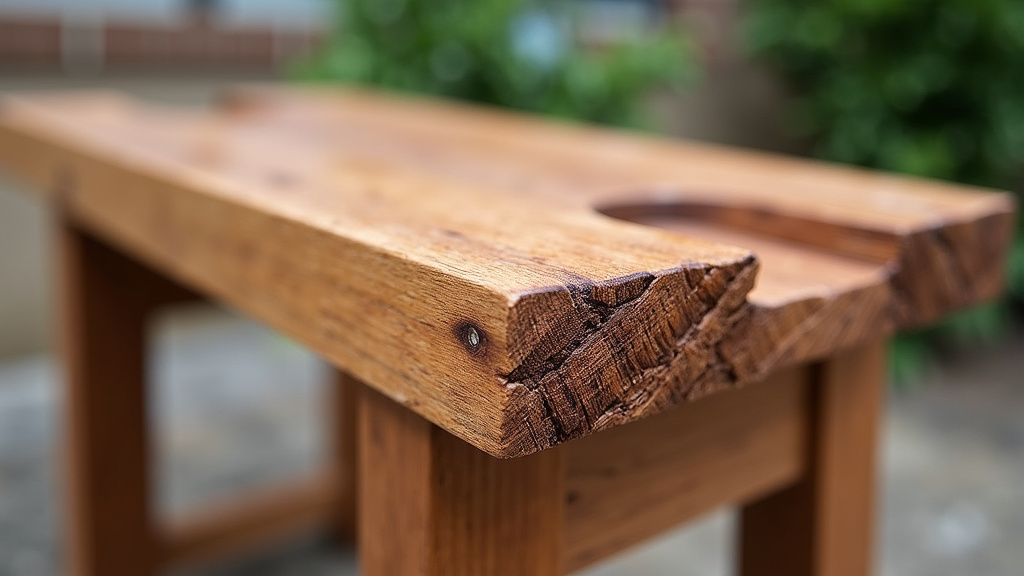
Factors That Can Affect Teak’s Longevity
While teak is incredibly durable, nothing is completely indestructible. A few environmental factors can influence how well your teak items hold up over many years. Understanding these can help you get the most out of your investment.
Extreme Conditions and Prolonged Immersion
Even teak has its limits. If teak is constantly submerged in water, especially stagnant water, it can eventually be affected. While rot is unlikely, prolonged immersion can lead to issues like waterlogging or surface mold in very rare cases.
We found that typical outdoor furniture use, even in rainy climates, is perfectly fine. It’s the extreme, constant submersion that’s not ideal. Think of it this way: even the best raincoat might eventually let water through if you stood in a waterfall all day.
The Role of Proper Care and Maintenance
Good news! Teak requires very little in terms of preventing rot. However, some basic care can keep it looking beautiful and performing its best for decades. This isn’t about stopping decay, but about preserving appearance and function.
Regular cleaning removes dirt and grime. It prevents buildup that could potentially harbor mold or mildew on the surface. We recommend simple washing with mild soap and water. This is usually enough to keep your teak furniture in great shape.
Cleaning Your Teak Furniture
A simple cleaning routine will go a long way. For routine cleaning, a soft brush and soapy water are your best friends. Wash your furniture, rinse it well, and let it air dry.
Dealing with Surface Stains or Mildew
If you notice any stubborn spots or surface mildew, a specialized teak cleaner can help. Follow the product instructions carefully. Usually, these cleaners are designed to be effective without harming the wood.
Protection vs. Preservation
It’s important to distinguish between protecting teak from rot and preserving its appearance. Teak doesn’t need protection from rot; it’s naturally protected. Preservation is more about keeping that golden-brown color or a smooth finish.
Many people choose to seal or oil their teak furniture. This helps maintain the original color longer. However, this is a cosmetic choice. It doesn’t stop the wood from rotting because it’s already resistant to that.
| Wood Type | Natural Rot Resistance | Typical Lifespan (Outdoor Furniture) | Primary Protection |
|---|---|---|---|
| Teak | Excellent | 25+ years | Natural oils, dense grain |
| Cedar | Good | 10-15 years | Natural oils, aromatic compounds |
| Pine (Untreated) | Poor | 1-3 years | None (requires treatment) |
| Oak (White) | Moderate | 5-10 years | Tannins, dense grain |
As you can see, teak stands out. Its natural defenses are quite remarkable compared to many other common woods used for outdoor items.
Quick Teak Care Checklist
Wondering how to keep your teak looking its best without overdoing it? Here’s a simple checklist to follow:
- Clean Regularly: A simple wash with mild soap and water is often all you need.
- Avoid Harsh Chemicals: Stick to gentle cleaners. Strong chemicals can damage the wood.
- Consider the Finish: Decide if you want the silver-gray patina or to maintain the brown color.
- Store if Possible: While not essential for rot prevention, storing furniture during harsh winters can extend its life.
- Inspect Periodically: Check for any loose screws or minor issues that are easy to fix.
- Embrace the Natural Look: Remember that the silver-gray patina is a sign of healthy, weathered teak.
Conclusion
You’ve learned that teak wood is remarkably resistant to rot. This is thanks to its natural oils and dense grain structure. These features make it ideal for outdoor furniture and marine applications. While teak won’t rot easily, it will develop a beautiful silver-gray patina over time. This is a natural weathering process and not a sign of decay. With simple cleaning and occasional care, your teak furniture can last for many years and bring you lasting enjoyment. Now you can confidently choose teak for its durability and timeless appeal.
Frequently Asked Questions
Will teak furniture rot if left outside in the rain?
No, teak furniture is highly resistant to rot, even when exposed to rain. Its natural oils and dense grain prevent moisture from penetrating deeply and causing decay. You can leave your teak furniture outdoors year-round without worrying about it rotting.
Does the silver-gray color on teak mean it’s starting to rot?
Absolutely not. The silver-gray color, known as a patina, is a natural cosmetic change. It occurs when teak’s surface oils oxidize from sun and air exposure. The wood underneath remains strong and resistant to rot.
Can teak wood get mold or mildew?
While teak itself is resistant to rot and decay, surface mold or mildew can sometimes appear. This usually happens if the wood is left dirty or in consistently damp, shaded conditions without cleaning. Regular cleaning prevents this from becoming an issue.
How often should I clean my teak furniture to prevent problems?
For most situations, a simple wash with mild soap and water a few times a year is sufficient. This helps remove dirt and debris that could potentially lead to surface issues. Clean your teak whenever it looks visibly dirty or after significant pollen seasons.
Is teak wood completely maintenance-free for rot prevention?
Teak wood requires very little maintenance to prevent rot, as it’s naturally resistant. Its durability means you don’t need to apply special treatments for decay protection. Basic cleaning is usually all that’s needed to keep it in good condition.