Is Teak Wood Good for Outdoor Furniture?
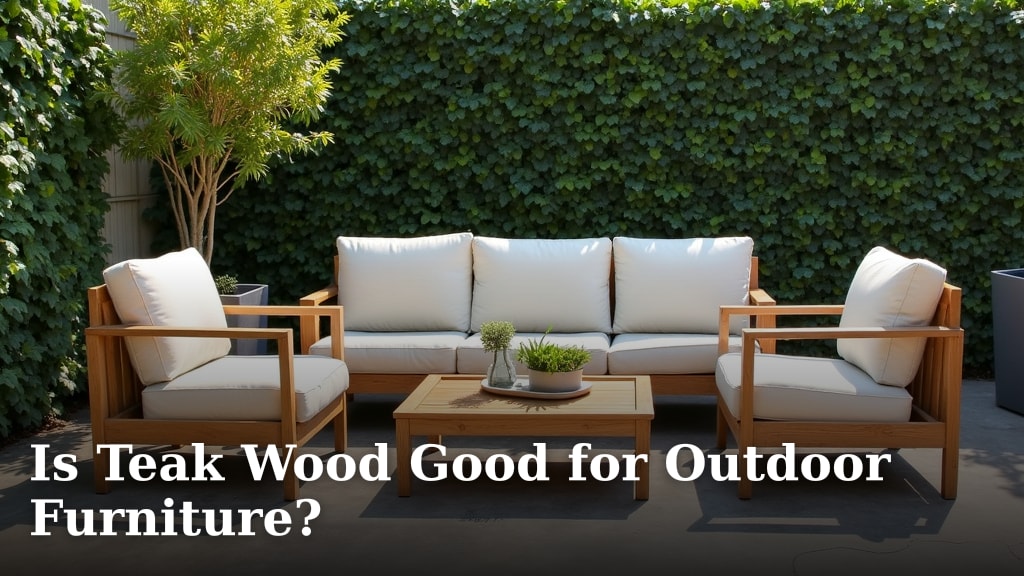
Yes, teak wood is an excellent choice for outdoor furniture. Its natural oils make it highly resistant to water, rot, and insect damage, ensuring it stands up well to the elements. You can expect teak furniture to last for decades with proper care.
When you’re looking for furniture that can brave the outdoors, teak is often at the top of the list. We found that its unique properties make it a top-tier material for patios, decks, and gardens. It weathers beautifully, often developing a lovely silver-gray patina over time if left untreated.
- Teak is naturally resistant to water and bugs.
- It can last for many years outdoors.
- It often develops a nice gray color over time.
- Proper care helps teak furniture last even longer.
Below, we’ll break down exactly why teak is so popular for outdoor use and what you should know before buying. Let’s get into the details!
Why Teak is a Top Choice for Outdoor Furniture
So, why do so many people rave about teak for their patios and gardens? It really comes down to a few key qualities that make it stand out from other woods. When you’re choosing furniture meant to live outside, you need something tough. Teak is definitely that.
Nature’s Own Weatherproofing: Teak’s Natural Oils
One of the biggest reasons teak is so good for outdoors is its natural oil content. Think of these oils as teak’s built-in raincoat and bug spray. They are present throughout the wood, not just on the surface. This makes the wood incredibly resistant to moisture and decay.
Many experts explain that these natural oils also help protect the wood from insects. Termites and other wood-boring pests just don’t find teak very appealing. You won’t have to worry as much about little critters munching away at your investment.
Durability and Longevity: Built to Last
When you buy teak furniture, you’re often buying something that can last for generations. We found that its density and high oil content mean it can withstand a lot of wear and tear. It doesn’t easily warp, crack, or split, even with changes in temperature and humidity.
This durability means your teak set might outlive other furniture you buy. It’s a long-term investment that can save you money in the long run. Instead of replacing cheap furniture every few years, you have a piece that just keeps going.
Weathering Gracefully: The Patina Effect
One of the most loved features of teak is how it ages. If you leave teak furniture untreated and exposed to the elements, it will naturally develop a beautiful silver-gray patina over time. This isn’t a sign of damage; it’s a natural transformation that many people find very attractive.
This silvery look gives outdoor spaces a sophisticated, classic feel. It’s like a distinguished gentleman aging gracefully. Of course, if you prefer the original warm, golden-brown color, you can maintain it with specific treatments, which we’ll touch on later.
Understanding Teak Wood for Your Patio
Now that we know teak is a great option, let’s dive a little deeper into what makes it tick. Understanding the wood itself helps you appreciate its benefits even more.
What Makes Teak Different from Other Woods?
The key difference lies in its composition. Teak (Tectona grandis) is a tropical hardwood. It grows in Southeast Asia and has a high concentration of natural oils and silica. This combination is rare and is what gives teak its superior performance outdoors.
Other woods, like pine or cedar, are often used for outdoor furniture but lack teak’s natural defenses. They might need more frequent sealing and treatment to ward off rot and insects. Teak, on the other hand, comes with its own protection system built right in.
Types of Teak: Plantation vs. Old-Growth
You might hear terms like “plantation teak” and “old-growth teak.” It’s good to know the difference, especially when considering price and sustainability.
Plantation Teak
This type of teak comes from trees that are grown specifically for harvesting, often in managed forests. It’s typically harvested when the trees are younger, between 20 to 50 years old. Plantation teak is generally more affordable and more readily available. It’s a good option for many buyers.
Old-Growth Teak
This refers to teak from trees that are much older, often 100 years or more, and were grown in natural forests. It’s known for having a denser grain and even higher oil content due to its age. Old-growth teak is premium-priced and sometimes harder to find. Some sources note concerns about deforestation related to old-growth timber.
Is All “Teak” Furniture Really Teak?
This is an important point to consider. Not all furniture labeled “teak” is made from 100% solid teak wood. Some pieces might be made with teak veneers (a thin layer of teak over a less expensive wood) or a mix of teak and other woods.
Always check the product description carefully. If you’re looking for the full benefits of teak, you’ll want furniture made from solid teak. This is where you get the maximum durability and natural resistance. Solid teak furniture will also typically carry a higher price tag.
Caring for Your Teak Outdoor Furniture
While teak is naturally resilient, a little care can go a long way to keep it looking its best and extend its lifespan even further. You don’t need to be a woodworking expert to maintain it.
Cleaning Your Teak: Simple Steps
Regular cleaning is usually all that’s needed. A soft brush or cloth and a mild soap with water are your best friends here. Gently scrub the furniture to remove dirt, pollen, and any mildew that might form.
Rinse thoroughly with clean water and let it air dry. It’s best to do this at least once or twice a year. This simple routine helps prevent grime from building up and dulling the wood’s appearance.
To Seal or Not to Seal? Preserving the Color
This is where personal preference comes in. If you love the natural silver-gray patina, you can simply clean your teak and let it be. It will continue to age beautifully.
If you prefer to keep that warm, golden-brown color, you’ll need to apply a teak sealer or oil. These products help to block UV rays and prevent the wood from oxidizing (which causes the graying). You’ll need to reapply them regularly, usually once or twice a year, depending on the product and your climate.
Many experts suggest that applying a sealant is more about appearance than protection for teak. The wood’s natural oils are already doing the heavy lifting for durability.
Dealing with Stains and Mildew
Sometimes, spills or damp conditions can lead to stains or mildew. For stubborn spots, you might need a teak cleaner. Many products are available designed to lift stains and restore the wood’s natural color.
For mildew, a solution of water and white vinegar can often do the trick. Always test any cleaning solution on an inconspicuous spot first. After cleaning, make sure the furniture dries completely.
Here’s a quick checklist for keeping your teak furniture looking great:
- Wipe down with a damp cloth regularly.
- Clean with mild soap and water annually.
- Rinse thoroughly after cleaning.
- Consider a teak sealer if you want to maintain the original color.
- Reapply sealer as needed (if you choose to use it).
- Address stains or mildew promptly.
Teak vs. Other Outdoor Furniture Materials
To really appreciate teak, it helps to see how it stacks up against other common outdoor furniture materials. This comparison can help you make an informed decision for your specific needs and budget.
Here’s a quick look at how teak compares:
| Material | Pros | Cons | Typical Lifespan |
|---|---|---|---|
| Teak | Highly durable, naturally resistant to rot/insects, weathers beautifully, low maintenance for durability. | Higher initial cost, can be heavy. | 25-100+ years |
| Aluminum | Lightweight, rust-proof, modern look, low maintenance. | Can be blown over by strong winds, can get hot in the sun, can be expensive. | 10-20 years |
| Wicker/Rattan (Synthetic) | Lightweight, weather-resistant (if good quality synthetic), variety of styles. | Can fade or become brittle over time, lower quality can unravel, may require occasional cleaning. | 5-15 years |
| Plastic/Resin | Very affordable, lightweight, easy to clean, wide variety of colors. | Can look cheap, prone to fading and cracking, can be flimsy, less environmentally friendly. | 3-10 years |
As you can see, teak often leads in terms of longevity and natural resistance. While the upfront cost might be higher, its long lifespan and minimal need for treatments to *maintain its structure* make it a worthwhile investment for many homeowners.
Conclusion
So, is teak wood good for outdoor furniture? The answer is a resounding yes. Your research has shown that teak’s natural oils make it exceptionally resistant to water, insects, and rot, meaning it’s built to last for decades. It weathers beautifully into a charming silver-gray patina, or you can preserve its original golden hue with simple care. While it may have a higher upfront cost than other materials, teak offers incredible durability and longevity, making it a smart, long-term investment for your outdoor space. Start by looking for solid teak pieces and cleaning them gently to enjoy your furniture for years to come.
Frequently Asked Questions
How long does teak outdoor furniture typically last?
Teak outdoor furniture is known for its exceptional longevity. With proper care and maintenance, you can expect your teak pieces to last anywhere from 25 to over 100 years. This makes it a durable investment for your patio or garden.
Do I need to seal teak outdoor furniture?
Sealing teak furniture is mostly a matter of personal preference for maintaining its color. Teak’s natural oils already protect it from the elements, so sealing isn’t required for durability. If you prefer the warm, golden-brown look, apply a teak sealer or oil and reapply as needed.
What’s the difference between plantation teak and old-growth teak?
Plantation teak comes from younger, managed forests and is generally more affordable and available. Old-growth teak is from much older trees found in natural forests, offering denser grain and higher oil content, but it’s premium-priced and can raise sustainability concerns.
Can teak furniture get mold or mildew?
Yes, teak furniture can develop mold or mildew if left in damp conditions. However, it’s usually superficial. A mild soap and water solution, or a water and white vinegar mix, can effectively clean it off. Always ensure the wood dries completely afterward.
Is teak furniture worth the higher cost?
For many, teak furniture is worth the higher initial cost due to its outstanding durability and resistance to weather and pests. Its long lifespan means you likely won’t need to replace it as often as furniture made from other materials, offering better value over time.