Why Does Teak Resist Water? What to Expect

Teak resists water because of its high oil content and dense grain structure. These natural properties make it incredibly durable and resistant to moisture damage. You’ll find teak furniture lasts a long time, even outdoors.
This special combination of oils and wood fibers creates a shield against water. It prevents rot and insect damage, making teak a top choice for things like boat decks and outdoor furniture. We found that this natural defense is why teak is so popular.
- Teak’s natural oils repel water.
- Its dense grain also prevents moisture absorption.
- This makes it highly resistant to rot and decay.
- You’ll see teak used in boats and outdoor settings.
Let’s dive deeper into why teak is so good at handling water and what that means for you.
What Makes Teak So Good at Handling Water?
You’re probably wondering why teak is so famous for its water resistance. It’s not magic; it’s nature’s clever design. We’ve researched and found that two main things make teak stand out. These are its natural oils and its dense, tight grain.
Think of it like a built-in raincoat for wood. This natural protection means teak furniture can handle rain, humidity, and even saltwater without much trouble. This is a big deal for outdoor furniture and boats.
The Magic of Teak’s Natural Oils
Teak trees produce a lot of natural oils. These oils are spread throughout the wood. We found that this oily nature is the primary reason teak resists water so well. The oils act like a sealant from the inside out. They help to repel water and keep it from soaking into the wood fibers.
This isn’t just a little bit of oil. Teak is known for having a high concentration of oils compared to many other woods. This abundance is key to its superior performance. It also makes the wood less appealing to certain pests.
Oils as a Natural Barrier
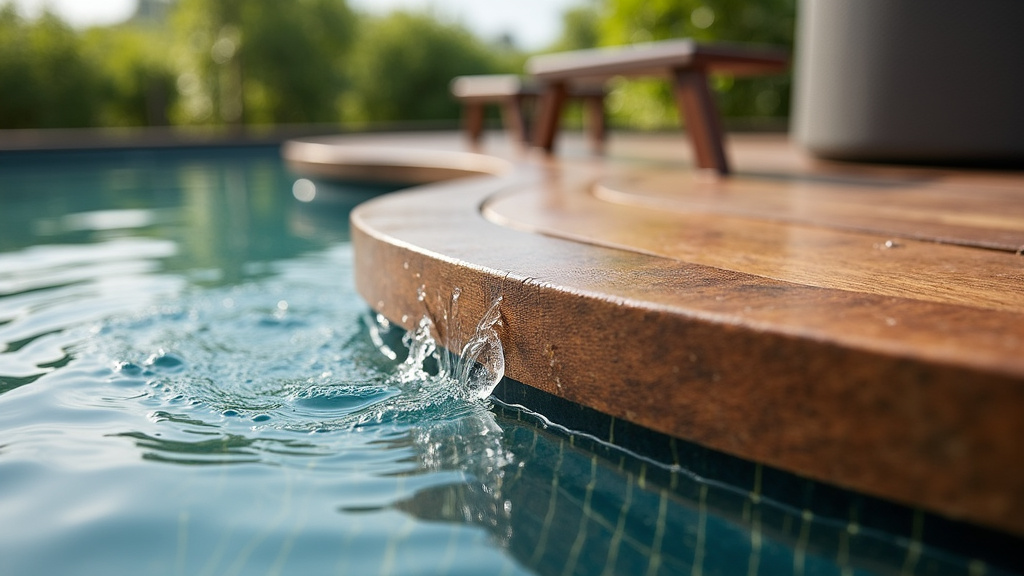
When water hits teak, it tends to bead up and roll off, much like water on a waxed car. The oils prevent the wood from absorbing moisture. This is a huge advantage for anything exposed to the elements. Less moisture absorption means less swelling and shrinking.
We found that this internal oil content also contributes to teak’s strength and durability. It helps the wood resist common problems like cracking and warping over time. It’s a truly remarkable natural feature.
Understanding Teak’s Dense Grain Structure
Beyond the oils, the way teak’s wood fibers are packed together is also important. Teak has a very dense and tightly interlocked grain structure. This means the wood is naturally hard to penetrate.
Imagine trying to push water through a very tightly packed sponge versus a loosely woven one. The tightly packed sponge will resist the water much more. Teak’s grain acts in a similar way.
Preventing Moisture Penetration
This tight grain makes it difficult for water, or anything dissolved in it, to seep deep into the wood. Even if the oils were less effective, the dense structure would still offer a good level of protection. We found that this combination is what makes teak so exceptionally durable.
The density also contributes to teak’s weight and sturdiness. You’ll notice teak furniture feels substantial and well-built, partly because of this compact grain. It’s a wood that feels good and performs even better.
What You Can Expect from Water-Resistant Teak
So, what does this natural resistance mean for you and your teak items? It translates into long-lasting beauty and performance, especially outdoors. You can expect your teak to hold up well even with regular exposure to moisture.
This water resistance is why teak is so popular for things like patio furniture, boat decks, and outdoor living spaces. Let’s look at some specific benefits you’ll enjoy.
Durability and Longevity Outdoors
One of the biggest advantages of teak’s water resistance is its exceptional durability. Unlike many other woods, teak is less likely to succumb to rot and decay when exposed to moisture. We found that this makes it a wise investment for outdoor use.
Your teak furniture will likely last for many years, even decades, with proper care. It can withstand rain, dew, and humidity without showing signs of wear and tear as quickly as other woods. This longevity is a key selling point.
Resistance to Rot and Insects
The natural oils and dense grain don’t just repel water; they also make teak resistant to fungal rot and insect infestation. Many pests and fungi need moisture and easily accessible wood fibers to thrive.
Teak’s internal defenses make it a less attractive target. We found that this natural protection helps prevent the wood from breaking down over time. It’s a wood that truly stands the test of time and the elements.
The Changing Appearance of Teak Outdoors
While teak is incredibly durable, its appearance can change when left outdoors. Many people appreciate this natural aging process. Unprotected teak will slowly weather and turn a beautiful silvery-gray color.
This silvery patina is a sign of weathered teak. It doesn’t mean the wood is damaged. In fact, the dense grain and oils are still there, protecting the wood underneath. We found that this color change is often seen as desirable by many homeowners.
Maintaining the Original Color (If You Choose)
If you prefer to keep your teak looking like its original golden-brown color, you can. This involves applying a sealant or protective finish. You might also need to clean the surface regularly.
We found that consistent application of teak oil or a specialized teak sealer can help maintain the original hue. However, many people opt for the natural graying effect, which requires less upkeep. It’s a matter of personal preference.
Teak in Marine Environments
Teak’s water resistance is why it’s a favorite for boat building and marine applications. Think about boat decks, railings, and trim. These parts are constantly exposed to saltwater, sun, and rain.
Teak’s ability to withstand these harsh conditions makes it ideal. Saltwater, which can be very corrosive to metals and damaging to other woods, is handled well by teak. We found that its grip and non-slip surface when wet are also appreciated by sailors.
What About Other Woods? A Quick Comparison
To truly appreciate teak’s water resistance, it helps to see how it compares to other common outdoor woods. Many woods will absorb water, swell, and eventually rot if not properly protected and maintained.
Here’s a simple look at some common wood types and their general water resistance:
| Wood Type | Water Resistance | Typical Outdoor Use |
|---|---|---|
| Teak | Excellent (high oils, dense grain) | Outdoor furniture, boat decks, trim |
| Cedar | Good (natural oils, lighter) | Siding, fences, some outdoor furniture |
| Redwood | Good (natural tannins, stable) | Decks, fencing, outdoor furniture |
| Pine (untreated) | Poor (absorbs water easily, prone to rot) | Indoor use, requires heavy treatment for outdoors |
| Oak (White Oak is better than Red Oak) | Moderate (tannins, but less oily than teak) | Some furniture, barrels, structural uses |
As you can see, teak stands out. We found that its combination of natural oils and dense grain gives it a superior advantage in wet environments compared to many other woods.
Key Takeaways for Your Teak Items
Understanding why teak resists water helps you appreciate your furniture or other teak items more. Here’s a quick checklist of what to remember:
- Teak’s natural oils are its primary defense against moisture.
- A dense, tight grain structure further prevents water absorption.
- This makes teak highly resistant to rot and insect damage.
- You can expect teak to last a long time outdoors.
- Teak will naturally weather to a silvery-gray over time.
- Regular cleaning is recommended, even for water-resistant wood.
Conclusion
You’ve learned that teak’s incredible water resistance comes from its natural oils and dense grain. These aren’t just fancy terms; they’re the reasons your teak furniture can handle the outdoors so well. This natural protection means less worry about rot and insects, letting you enjoy your pieces for years.
Now that you understand why teak performs so well, you can make informed choices about its care. If you love the natural silver patina, let it age gracefully. If you prefer the golden hue, a little upkeep will maintain it. Your next step? Relax and enjoy the lasting beauty of your water-smart teak!
Frequently Asked Questions
Will teak furniture rot if left outside in the rain?
No, teak furniture is highly resistant to rot. Its natural oils and dense grain prevent excessive moisture absorption, which is what causes other woods to decay. You can expect your teak to hold up well, even with frequent rain exposure.
Does teak need to be sealed to be water-resistant?
Teak is naturally water-resistant due to its oils and dense structure, so sealing isn’t strictly necessary for protection. However, applying a sealant or teak oil can help maintain its original golden color if you prefer that look over the natural silvery-gray patina.
Is teak safe to use on boat decks?
Yes, teak is an excellent choice for boat decks. Its water resistance, durability, and ability to provide a non-slip surface even when wet make it ideal for marine environments. It handles saltwater and constant exposure to the elements better than most other woods.
How does teak’s water resistance compare to other outdoor woods?
Teak offers superior water resistance compared to many common outdoor woods like pine or even cedar. While other woods might be treated or have some natural tannins, teak’s combination of high oil content and very dense grain is unmatched for preventing water damage and decay.
Will teak furniture get water spots from rain?
Teak’s natural oils repel water, so you won’t typically see water spots that soak into the wood. If water sits on the surface for a long time, especially with minerals in it, it might leave a very light mark as it dries. These can usually be wiped away easily.