Why Is Teak Used in Boat Decks? A Beginner’s Overview

Teak is used for boat decks because it’s naturally resistant to water, slipping, and decay. Its oils keep it from rotting and protect it from the salty sea air. This makes it a durable and attractive choice for marine use.
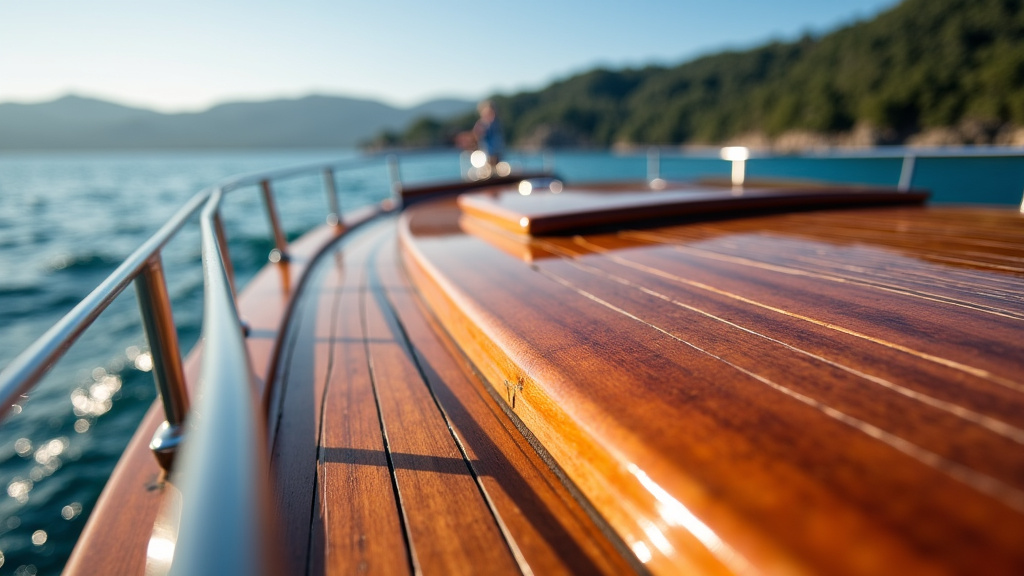
When you look at classic boats, you often see beautiful wooden decks. Many of these are made of teak. We found that this wood has been a favorite for centuries. It handles constant moisture and sun better than most other woods, resisting damage from the elements.
- Teak resists water damage and rot.
- It provides good grip, even when wet.
- Teak is strong and lasts a long time.
- It looks good and adds value to a boat.
- Naturally occurring oils protect the wood.
Ready to learn more about why this special wood is so popular on the water? Let’s walk through the reasons why teak remains a top choice for boat decks.
Why Teak Reigns Supreme for Boat Decks
Have you ever admired a classic wooden boat? Its deck often gleams, looking both beautiful and incredibly sturdy. Many of these iconic decks are made from teak wood. We’ve researched why this particular wood has been a go-to material for centuries. It’s not by accident that teak is so popular on the water.
You might be wondering, what makes teak so special? It’s a combination of natural qualities that help it stand up to the harsh marine environment. Think about it: a boat deck is constantly exposed to sun, salt, water, and foot traffic. Most woods would struggle under such conditions. Teak, however, seems to thrive.
Nature’s Own Waterproofing Agent
One of the biggest reasons teak is chosen is its natural resistance to water. This wood contains natural oils. These oils act like a sealant from the inside out. They prevent water from soaking into the wood fibers. This is a huge advantage for boat decks. Waterlogged wood can swell, warp, and eventually rot. Teak’s oils help keep it from taking on too much moisture.
We found that these natural oils also make teak incredibly durable in wet conditions. Unlike many other hardwoods, teak doesn’t readily absorb water. This means it’s less likely to develop mold or mildew. It also resists the swelling and shrinking that can damage less water-tolerant woods. This inherent quality means your teak deck will likely last much longer.
A Grip You Can Trust, Even When Wet
Safety is always a top concern on a boat. A slippery deck can lead to accidents. This is where teak really shines. Its surface texture provides surprisingly good grip, even when it’s wet. The natural oils in teak also contribute to this. They help to create a surface that isn’t overly slick.
Many boat owners appreciate this feature. When you’re moving around on a rocking boat, having a sure footing is essential. Research indicates that teak’s grain structure helps create this non-slip quality. It’s a practical benefit that adds real value to the material. You won’t have to worry as much about sliding, even on a rainy day at sea.
Built to Withstand the Elements
Teak wood is known for its longevity and strength. It’s a dense hardwood that can handle a lot of wear and tear. Imagine people walking on it daily, ropes being dragged, and anchors being dropped. Teak is tough enough to endure this kind of activity.
The natural oils we mentioned earlier also protect teak from decay and insect damage. This means it’s resistant to rot, which is a common problem for wood exposed to moisture. Many experts say this natural protection is why teak has been used in shipbuilding for centuries. It simply holds up better than most other available woods.
Durability in Different Climates
Whether you’re sailing in a hot, sunny climate or a cooler, damp region, teak performs well. It’s not as susceptible to damage from UV rays as some other woods. The sun can bleach teak over time, giving it a silvery-gray patina. This is a natural aging process and doesn’t harm the wood itself.
We also found that teak is quite resistant to changes in humidity. This stability is vital for a boat deck, which experiences rapid shifts in moisture levels. It’s less likely to crack or split compared to woods that are more sensitive to environmental changes.
The Aesthetic Appeal of Teak
Beyond its practical benefits, teak wood is simply beautiful. It has a rich, warm color and a fine grain. This natural elegance adds a touch of class to any boat. Many boat builders and owners choose teak because it enhances the overall look and feel of their vessel.
When new, teak has a golden-brown hue. As it ages, it naturally weathers to a soft, silver-gray. Some owners prefer to maintain the golden color with regular oiling and cleaning. Others let it age naturally, embracing the distinguished patina. Either way, it looks sophisticated and timeless.
Adding Value to Your Boat
A teak deck isn’t just about looks; it can also add value to your boat. Its durability and classic appeal make boats with teak decks highly desirable. If you ever decide to sell your boat, a well-maintained teak deck can be a significant selling point.
We found that many buyers associate teak with quality craftsmanship and higher-end vessels. It signals that the boat has been well cared for and built with premium materials. This perception can translate directly into a better resale price.
Teak’s Natural Oils: The Secret Ingredient
Let’s talk a bit more about those amazing natural oils. Teak contains a high concentration of silica and natural oils, called tectoquinone. These oils are the key to its impressive durability and resistance. They act as a natural preservative, making the wood resistant to rot, fungal decay, and even insect attacks. Discover the benefits of natural oils in teak and how they protect the wood.
This means you don’t need to apply as many chemical treatments as you would with other woods. While cleaning and occasional maintenance are still important, teak’s natural defenses reduce the need for harsh preservatives. This is better for the wood and potentially for the environment.
A Comparison: Teak vs. Other Decking Materials
To really understand why teak is so popular, it helps to compare it. Many boat decks are made from other woods, synthetic materials, or even fiberglass. Each has its pros and cons, but teak often offers a superior balance of features.
Here’s a quick look at how teak stacks up:
| Material | Pros | Cons |
|---|---|---|
| Teak | Durable, water-resistant, good grip, beautiful, long-lasting, natural oils. | Expensive, requires maintenance to retain color, can be heavy. |
| Other Hardwoods (e.g., Ipe) | Durable, strong, less expensive than teak. | Can be very heavy, may require more sealing, less natural oil content. |
| Synthetic Decking (e.g., PVC, composite) | Low maintenance, doesn’t require sealing, consistent color. | Can get very hot in the sun, may not offer the same grip, can look less natural. |
| Fiberglass/Gelcoat | Very low maintenance, durable, seamless. | Can be very slippery when wet, prone to scratches, repair can be costly. |
As you can see, teak offers a unique combination of natural beauty and performance. While synthetic options are gaining popularity for their low maintenance, many still prefer the classic look and feel of real wood. And among wooden options, teak is often considered the gold standard for boat decks.
Caring for Your Teak Deck
Owning a teak deck does involve some upkeep. However, the maintenance is generally straightforward. Regular cleaning is key to keeping your deck looking its best and preserving its lifespan.
Here are a few essential care tips we found helpful:
- Clean Regularly: Wash your deck with mild soap and fresh water. Use a soft brush to remove dirt and grime.
- Avoid Harsh Chemicals: Strong cleaners can strip away the natural oils and damage the wood.
- Scrub with the Grain: Always scrub in the direction of the wood grain to avoid scratching.
- Oil or Seal (Optional): If you want to maintain the golden-brown color, you can apply teak oil or a sealant. This needs to be done periodically.
- Let it Weather: If you prefer the silver-gray look, simply clean the deck. The natural weathering process will take care of the color change.
- Address Stains Quickly: Deal with spills or stains as soon as they happen to prevent them from setting in.
Taking good care of your teak deck means it will serve you well for many years. It’s an investment that pays off in both performance and appearance.
Conclusion
You’ve learned that teak’s natural oils make it ideal for boat decks. This wood is water-resistant, offers excellent grip, and boasts incredible durability. Its beauty enhances any vessel, and it even adds value. While it requires care, maintaining a teak deck is straightforward. Consider how these benefits align with your boating needs. If you’re looking for a deck that performs well and looks classic, teak is a wise choice to investigate further for your own boat.
Frequently Asked Questions
How often should I clean my teak deck?
You should aim to clean your teak deck regularly, ideally every few weeks or after heavy use. This helps remove dirt and grime that can accumulate. Simple washing with mild soap and fresh water is usually sufficient.
Will teak get slippery when wet?
No, teak is known for its excellent grip even when wet. The natural oils and the wood’s grain structure help create a surface that provides good traction. This is a major safety benefit on a moving boat.
How much does a teak deck cost compared to synthetic options?
Teak is generally more expensive upfront than synthetic decking materials. This is due to its natural qualities and the labor involved in sourcing and fitting it. However, its longevity and low need for harsh chemicals can make it cost-effective over time.
Can I paint or stain my teak deck?
While you can paint or stain teak, it’s generally not recommended if you want to preserve its natural benefits. These treatments can cover the wood’s natural oils and pores, potentially hindering its water resistance and grip. Many prefer to let teak weather to its natural silver-gray color.
What’s the main difference between teak and other woods for boat decks?
The key difference is teak’s high concentration of natural oils. These oils act as a built-in preservative, making it highly resistant to rot, water, and decay. Other woods typically lack this natural protection, requiring more sealing and maintenance to last in a marine environment.