Is Teak Good for Outdoors? A Closer Look

Yes, teak wood is excellent for outdoor furniture. Its natural oils make it incredibly resistant to water, rot, and pests. This means your teak pieces can stand up to the elements year after year without much fuss.
Many homeowners choose teak for their patios because it ages beautifully. While it will turn a soft, silvery gray over time, it maintains its structural integrity. You don’t have to worry about it cracking or warping like other woods might. Plus, it’s a durable and low-maintenance choice for any outdoor space.
TL;DR:
- Teak is a top choice for outdoor furniture.
- It’s naturally resistant to water, rot, and insects.
- Teak wood ages gracefully to a silver-gray patina.
- It requires minimal maintenance to last for decades.
Let’s take a closer look at why teak earns its reputation as a premier outdoor material and what you should know before you buy.
Why Teak Stands Out for Your Patio Furniture
You’re probably wondering if teak wood is truly worth the investment for your outdoor space. The short answer is a resounding yes! Teak has earned its reputation as a top-tier material for outdoor furniture for good reason. It’s naturally built to withstand the challenges that come with being outside, from scorching sun to drenching rain.
When you look at teak, you’re looking at wood that’s been blessed by nature. Its high content of natural oils acts like a built-in protective coating. This oiliness is the secret sauce that makes teak so resistant to water damage. It also helps prevent decay and makes it unappealing to common garden pests.
The Natural Defense System of Teak
Think of teak’s natural oils as a personal shield for your furniture. These oils are present throughout the wood’s grain, not just on the surface. This means that even if the surface gets scratched, the wood underneath is still protected. This characteristic is vital for outdoor items that are constantly exposed to the elements.
We found that this natural oil content is what prevents teak from rotting or becoming susceptible to insect attacks. Unlike many other hardwoods, teak doesn’t require heavy chemical treatments to stay healthy outdoors. This makes it a safer and more natural choice for your backyard oasis.
Understanding Teak’s Oil Content
The quality of teak can vary based on its oil content and grain density. Higher oil content generally means better durability and weather resistance. You’ll often hear about “plantation teak” versus “old-growth teak.” While both can be good, old-growth teak from mature trees tends to have a richer oil content, though sustainable sourcing is always a priority.
Research suggests that teak’s oily nature also contributes to its dimensional stability. This means it’s less likely to swell, shrink, warp, or crack when subjected to changes in humidity and temperature. This stability is a huge advantage for outdoor furniture.
How Teak Ages Over Time
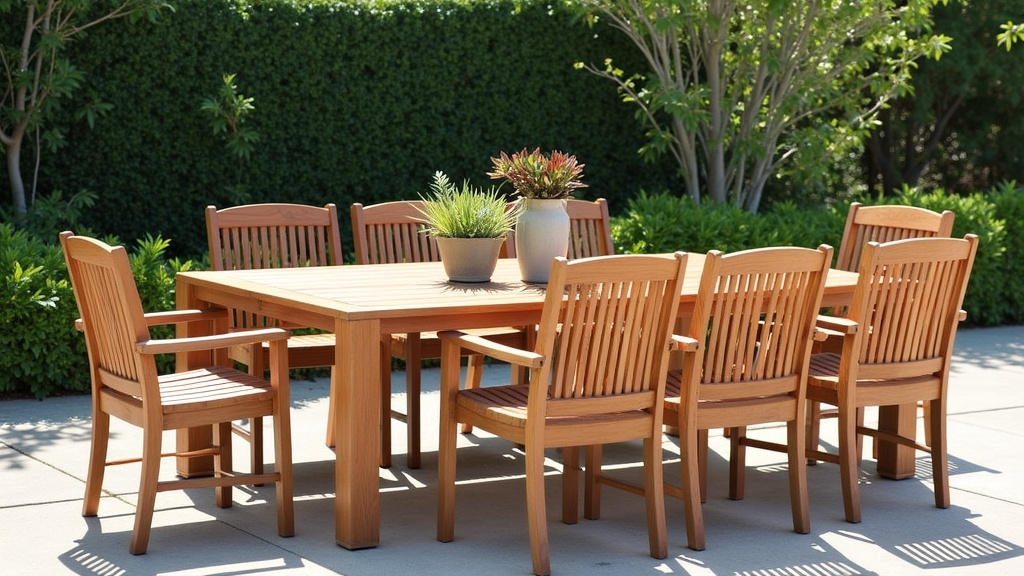
One of the most beloved qualities of teak is how it ages. When left untreated, teak wood will gradually transform from its original honey-brown color to a distinguished, soft, silvery-gray patina. Many homeowners actually prefer this weathered look. It gives furniture a timeless, elegant appeal that fits beautifully into natural surroundings.
This color change is purely cosmetic. It doesn’t indicate that the wood is degrading or losing its strength. It’s simply the surface oxidizing when exposed to sunlight and air. If you prefer to maintain the original golden-brown hue, you can use specific teak sealers or oils, though this requires regular upkeep.
Maintaining the Original Color vs. Embracing the Patina
Deciding whether to preserve the original color or let it weather is a personal choice. To keep the warm brown tones, you would need to apply a teak protector or oil every few months. This involves cleaning the furniture thoroughly and reapplying the product. It’s a commitment that adds to the maintenance effort. To keep the warm brown tones, you would need to apply a teak sealer or oil every few months.
On the other hand, embracing the gray patina means very little work. You might want to clean the furniture annually to remove dirt and grime. A gentle wash with mild soap and water is usually all that’s needed. Many people find this low-maintenance approach incredibly appealing.
Teak’s Durability and Longevity
When we talk about outdoor furniture, durability is a major factor. You want pieces that can withstand kids, pets, and the occasional storm without falling apart. Teak excels in this area. Its dense grain and natural oils make it incredibly strong and long-lasting.
Many experts point out that teak furniture can easily last for decades, even up to 50 years or more, with proper care. This makes it a worthwhile investment compared to cheaper materials that might need replacing every few seasons. You’re essentially buying a piece that can become a family heirloom.
Structural Integrity and Resistance to Damage
Teak’s natural composition makes it highly resistant to common issues that plague other woods outdoors. Rot and decay are significantly slowed down, if not prevented altogether, by those natural oils. This means you won’t see your teak table start to crumble or develop soft spots over time due to moisture.
Furthermore, teak’s density makes it resistant to scratches and dents. While it’s not indestructible, it holds up much better than softer woods. This means your teak chairs and tables can look good for many years, even with regular use.
Teak vs. Other Outdoor Wood Choices
It’s helpful to see how teak stacks up against other popular outdoor wood options. Here’s a quick comparison:
| Wood Type | Natural Resistance | Maintenance | Lifespan | Cost |
|---|---|---|---|---|
| Teak | Excellent (water, rot, pests) | Low (if embracing gray) | 50+ years | High |
| Cedar | Good (rot, insects) | Moderate (sealing recommended) | 15-20 years | Medium |
| Redwood | Good (rot, insects) | Moderate (sealing recommended) | 20-30 years | Medium-High |
| Acacia | Fair (needs sealing) | Moderate to High | 5-10 years | Medium |
As you can see, teak often leads in terms of natural resistance and lifespan. While its initial cost is higher, the longevity can make it more economical over the long run.
Caring for Your Teak Furniture
One of the biggest draws of teak is its low maintenance requirement. You don’t need to be a master craftsman to keep your teak furniture looking good. In fact, the easiest way to care for it is often to simply let it be.
If you decide to let your teak age to its natural silver-gray color, your maintenance routine will be minimal. An annual cleaning is usually sufficient. This involves brushing off any loose dirt or debris. You might use a soft brush and a bucket of soapy water.
Simple Cleaning and Upkeep
For regular cleaning, a soft cloth or sponge is all you need. Mild soap and water work wonders for removing surface grime. Rinse thoroughly with clean water and allow the furniture to air dry completely. It’s important to avoid harsh chemicals or abrasive cleaners, as these can damage the wood’s surface.
If your furniture develops mold or mildew, a solution of water and white vinegar (equal parts) can be effective. Apply it with a sponge, let it sit for a few minutes, then rinse and dry. We found this method to be gentle yet effective for common outdoor contaminants.
When and How to Deep Clean or Restore
Occasionally, you might want to give your teak a more thorough cleaning, especially if it’s been left out through a particularly harsh season. If the graying is uneven or you notice some staining, a specialized teak cleaner can help. These cleaners are designed to lift dirt and restore a more uniform appearance to the wood.
Restoring the original color is a more involved process. It typically involves using a teak cleaner followed by a brightener, and then applying a teak sealer or oil. This is something you might do every year or two if you’re committed to maintaining that golden-brown look. Many resources suggest applying teak oil or sealer in thin coats, allowing them to dry between applications.
Protecting Your Teak from the Elements
While teak is naturally resistant, you can take steps to extend its life even further. Consider covering your furniture during harsh winter months or periods of extreme weather. Using breathable furniture covers can protect it from unnecessary moisture and debris.
You can also store smaller teak items indoors during the off-season if space allows. This gives the wood a break from constant exposure. However, for most homeowners, simply letting the teak weather naturally is the easiest and most effective way to ensure it lasts for generations.
Is Teak Wood Eco-Friendly?
Sustainability is a growing concern for many shoppers. When considering teak, it’s important to look at sourcing. Teak is a tropical hardwood, and historically, demand has led to deforestation.
However, reputable teak furniture manufacturers today often source their wood from sustainably managed plantations. These plantations are designed to harvest teak responsibly, ensuring that the forests can replenish themselves. Look for certifications or assurances from the manufacturer regarding their sourcing practices.
Understanding Sustainable Teak Sourcing
Many sources, including environmental organizations, highlight the importance of choosing wood from certified forests. This ensures that harvesting practices do not contribute to habitat loss or put endangered species at risk. It’s a good idea to ask manufacturers about their supply chain and commitment to sustainability.
When you buy teak that comes from a certified sustainable source, you can feel good about your purchase. You’re investing in a beautiful, durable product that also respects environmental balance. This mindful approach is becoming increasingly important for consumers.
A Quick Checklist for Teak Furniture Shoppers
Thinking about bringing teak into your outdoor space? Here’s a quick rundown of what to keep in mind:
- Check the Source: Opt for sustainably harvested or certified teak.
- Inspect the Wood: Look for a consistent grain pattern and a warm, honey color (if new).
- Understand the Oils: Teak’s natural oils are key to its durability.
- Decide on the Finish: Will you embrace the silver-gray patina or maintain the brown color?
- Factor in Cost: Teak is an investment, but its longevity can make it cost-effective.
- Consider Maintenance: The gray patina requires very little upkeep.
Conclusion
You’ve learned that teak wood truly is an exceptional choice for your outdoor furniture. Its natural oils provide incredible defense against water, rot, and pests. This means your teak pieces will withstand the elements beautifully for decades. Embracing the natural silver-gray patina is the easiest maintenance route, requiring just simple annual cleaning. If you’re ready to invest in furniture that ages gracefully and lasts a lifetime, start by looking for sustainably sourced teak.
Frequently Asked Questions
How do I know if I’m buying real teak?
Look for dense wood with a straight, even grain. Real teak should feel substantial and often has a distinct, pleasant aroma when new. Reputable sellers will also provide information on the wood’s origin and sustainability practices.
Do I need to seal or oil my teak furniture?
You don’t have to seal or oil teak if you prefer its natural silver-gray patina. If you want to maintain its original golden-brown color, then applying a teak sealer or oil every few months is necessary.
Can teak furniture be left outside all year round?
Yes, teak is designed to withstand outdoor conditions year-round. While covering it during harsh winters or extreme weather can prolong its life, it’s not strictly necessary for its structural integrity.
What’s the difference between teak and other outdoor woods?
Teak has a much higher natural oil content, making it superior in resistance to rot, water, and insects compared to woods like cedar or redwood. This natural defense often means teak requires less maintenance and lasts significantly longer.
How do I clean mildew off my teak furniture?
A mild solution of equal parts water and white vinegar can effectively remove mildew. Apply it with a soft sponge, let it sit briefly, then rinse thoroughly with clean water and allow the furniture to air dry completely.