Teak vs Plastic Shower Bench: A Straightforward Answer

For most people, a plastic shower bench is the better choice over teak. Plastic benches are typically more affordable and require less upkeep than teak. While teak can look beautiful, it demands careful cleaning and regular maintenance to prevent mold and mildew, making plastic a more practical option for everyday use.
Choosing a shower bench depends on what you need. You might be looking for something easy to clean or perhaps a bench that adds a touch of luxury. We found that understanding the pros and cons of each material helps make this decision. Both teak and plastic have their own unique advantages and disadvantages to consider for your bathroom.
- Plastic shower benches are usually cheaper.
- They require less cleaning and maintenance.
- Teak benches can look more high-end.
- Teak needs more care to prevent damage.
- Your choice depends on budget and upkeep tolerance.
Let’s break down the differences between teak and plastic shower benches so you can pick the perfect one for your needs.
Teak vs. Plastic Shower Benches: Making the Right Choice
When you’re thinking about adding a shower bench to your bathroom, two common materials often come up: teak and plastic. Each has its own set of pros and cons that can really affect your daily shower routine. We’ve looked into what makes each one tick, and it seems most shoppers lean towards plastic for good reasons. Let’s dive into why and explore the differences.
Understanding the Appeal of Teak Shower Benches
Teak wood is often seen as a luxury material, especially in bathrooms. It has a beautiful natural color and can add a spa-like feel to your space. Many people are drawn to its aesthetic qualities and the sense of elegance it brings.
The Natural Beauty and Durability of Teak
Teak is a hardwood known for its natural oils. These oils make it resistant to water and pests. This is why it’s often used for outdoor furniture and boat decks. In a shower, this means teak can hold up well against moisture if cared for properly. Its natural resistance can help prevent rot and decay, which is a big plus in a steamy bathroom environment.
Maintenance Needs for Teak
Here’s where things get a bit more involved. While teak is naturally resistant, it’s not maintenance-free. You need to clean it regularly to prevent mold and mildew. Soap scum and water spots can build up, dulling its natural shine. Many experts recommend cleaning teak benches with a mild soap and water solution. You might also need to apply a teak oil or sealant periodically to keep the wood looking its best and protected from drying out. To maintain its appearance, you may need to apply a teak oil periodically.
Some sources suggest that without regular care, teak can develop a silvery-gray patina over time. While some people like this look, others prefer to maintain the original golden-brown color. Achieving and maintaining that color often requires more effort. This means more time spent cleaning and treating your bench.
Potential Downsides of Teak
Beyond the upkeep, teak benches tend to be more expensive. The natural beauty comes at a higher price point. Also, even with good care, wood can be susceptible to cracking or warping over time, especially with constant exposure to high humidity. If a teak bench isn’t properly sealed or maintained, it can become a breeding ground for mildew. This can be a health concern, especially for those with allergies or respiratory issues (American Lung Association).
Why Plastic Shower Benches Often Win Out
Plastic shower benches are popular for a reason. They offer a straightforward solution that fits easily into most budgets and lifestyles. They are designed for practicality and ease of use.
Affordability and Value
One of the biggest draws of plastic benches is their price. They are generally much cheaper than teak options. This makes them accessible to a wider range of shoppers. You can get a functional and sturdy shower bench without breaking the bank. This cost-effectiveness is a major factor for many families looking to outfit their bathrooms.
Low Maintenance and Easy Cleaning
This is where plastic truly shines. Plastic is incredibly easy to clean. A quick wipe-down with a damp cloth or a spray of bathroom cleaner is usually all it takes. Unlike wood, plastic doesn’t absorb moisture, so mold and mildew are much less likely to grow. This is a huge advantage for busy households or people who don’t want to spend extra time on bathroom chores. You can simply rinse it off, and it’s good to go.
Many plastic benches are made from durable, non-porous materials like polyethylene or PVC. These materials are naturally resistant to water and stains. They won’t rot, warp, or splinter like wood can. This means less worry about the long-term condition of your bench.
Durability and Practicality
Plastic benches are built to withstand the humid environment of a shower. They are typically very durable and can last for years with minimal fuss. Many are designed to be lightweight, making them easy to move if you need to clean around them or rearrange your shower space. They are also quite stable, providing reliable support.
Variety in Design and Features
While teak offers a natural aesthetic, plastic benches come in a wide array of designs. You can find them in different shapes, sizes, and colors to match your bathroom decor. Some plastic benches even come with built-in storage shelves or compartments, adding extra convenience. Others are designed with drainage holes to prevent water from pooling, which further aids in keeping them clean and dry.
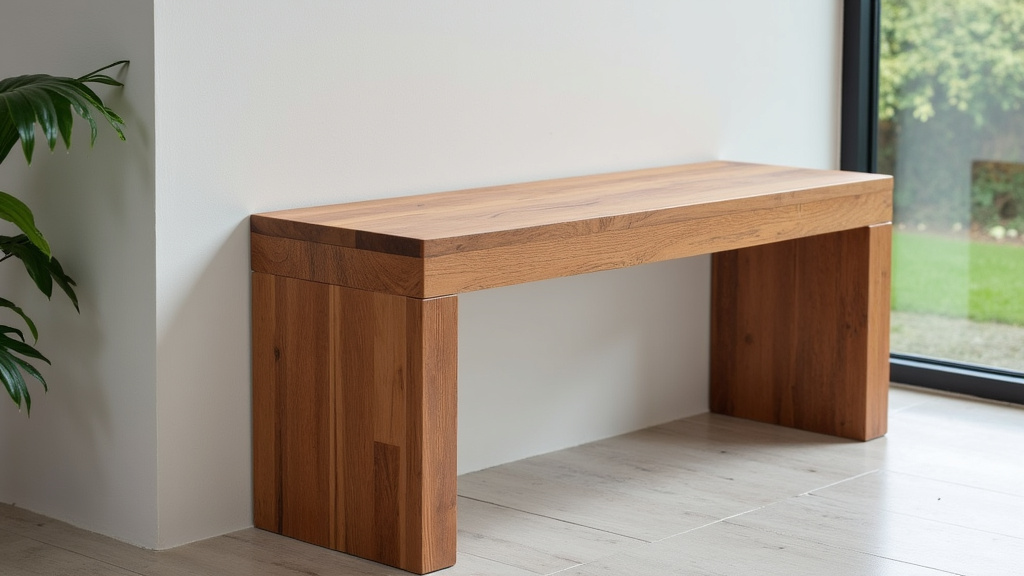
Direct Comparison: Teak vs. Plastic
To make the decision even clearer, let’s put them side-by-side. Think about what matters most to you in your bathroom.
| Feature | Teak Shower Bench | Plastic Shower Bench |
|---|---|---|
| Initial Cost | Higher | Lower |
| Maintenance Effort | High (regular cleaning, oiling/sealing) | Low (quick wipe-downs) |
| Resistance to Mold/Mildew | Moderate (requires vigilance) | High (non-porous surface) |
| Durability in Wet Environments | Good (with proper care) | Excellent |
| Aesthetic Appeal | Natural, warm, spa-like | Functional, comes in various colors/styles |
| Weight | Heavier | Lighter |
As you can see, plastic tends to be the winner for ease of use and cost. Teak offers a specific kind of natural beauty but demands more from you, the owner.
Who is a Teak Bench Best For?
A teak bench might be a good fit if you love the natural look of wood and don’t mind the extra work. Perhaps you already have other teak elements in your bathroom or home. If you’re someone who enjoys routine maintenance and sees it as part of caring for beautiful things, then teak could be a rewarding choice. It can feel like a small luxury to tend to. You’re willing to invest more upfront and in ongoing care for that specific aesthetic.
Who is a Plastic Bench Best For?
A plastic bench is likely the better option if you prioritize convenience and low effort. If you want a shower bench that works well without demanding much of your time, plastic is the way to go. It’s perfect for busy families, individuals with limited mobility who need reliable support, or anyone who simply wants a functional, easy-to-clean accessory. If your budget is a key concern, plastic offers excellent value.
Making Your Final Decision: A Quick Checklist
To help you decide, ask yourself these questions:
- What is your budget for a shower bench?
- How much time are you willing to spend on cleaning and maintenance?
- What kind of look or feel do you want in your bathroom?
- Are you concerned about mold or mildew growth?
- Do you need a bench that is lightweight and easy to move?
- Is ease of use a top priority for you?
Answering these will point you towards the material that best suits your needs. For most people, the straightforward benefits of plastic make it the more practical and user-friendly choice for a shower bench.
Conclusion
When it comes down to it, choosing between a teak and plastic shower bench is about matching the material to your lifestyle. We found that while teak offers a certain natural elegance, its higher cost and demanding upkeep make it less practical for most. Plastic benches, on the other hand, provide an affordable, low-maintenance, and durable solution that stands up well to the bathroom environment. For the everyday shopper seeking convenience and a worry-free experience, a plastic shower bench is generally the smarter and more straightforward choice. To make your final decision, simply consider your budget and how much time you want to dedicate to cleaning.
Frequently Asked Questions
Will a plastic shower bench look cheap in my bathroom?
Not necessarily. While plastic is more affordable, many modern plastic shower benches are designed with clean lines and come in various colors and finishes that can blend well with your bathroom decor. Look for styles that complement your existing fixtures for a cohesive look.
How often do I really need to clean a teak shower bench?
To keep teak looking its best and prevent mold, you should aim to clean it at least weekly. This involves wiping it down to remove soap scum and water spots. Periodically, you’ll also need to apply teak oil or a sealant, which adds to the maintenance schedule.
Can plastic shower benches become slippery when wet?
Some plastic benches might be, but many are designed with textured surfaces or drainage holes to improve grip and prevent water from pooling. Always check product descriptions for features that enhance stability and safety in a wet environment.
Is teak a sustainable choice for a shower bench?
Teak can be a sustainable choice if it is sourced responsibly from certified sustainable forests. However, its environmental impact also depends on how it’s harvested and processed. Plastic, while made from petroleum, is often more durable and requires less energy for manufacturing and maintenance over its lifespan.
What if I need a shower bench for someone with limited mobility?
For individuals with limited mobility, stability and ease of use are key. Both teak and plastic can offer sturdy support, but plastic benches are often lighter and easier to move if needed. Ensure any bench you choose is stable, at the right height, and meets any specific support requirements.