What Wood Is Safe for a Shower Bench? What You Need to Know
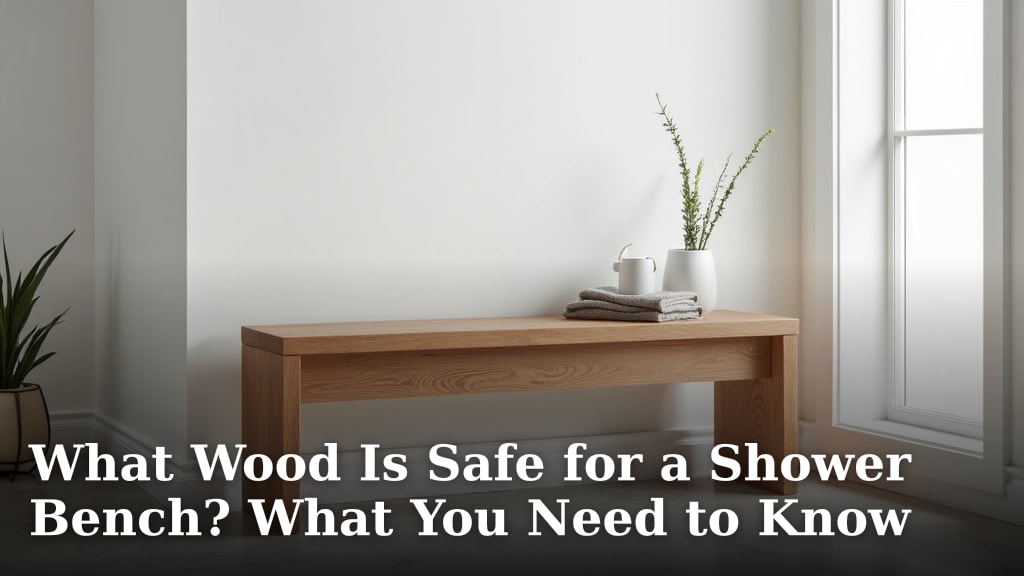
Yes, you can absolutely have a beautiful and functional shower bench made of wood. The trick is choosing the right type of wood and ensuring it’s properly sealed and maintained to withstand constant moisture. Not all woods are created equal when it comes to resisting water damage and preventing mold growth in a wet shower environment.
When selecting wood for your shower bench, you’ll want to look for species naturally resistant to moisture and decay. Think of woods that have dense grain and natural oils, which help them repel water. This means opting for something tougher than your average pine, which might warp or rot quickly. Your shower bench deserves a wood that can handle the heat and humidity.
- Choose naturally water-resistant woods like teak, cedar, or redwood.
- Proper sealing is critical to prevent water damage and mold.
- Regular maintenance will help your wood shower bench last longer.
- Avoid porous or soft woods that absorb too much moisture.
Below, we’ll walk you through the best wood options and what you need to know to ensure your shower bench is both safe and stylish.
Here is the main body content for your blog post:Choosing the Right Wood for Your Shower Bench
You’ve decided a wooden shower bench is the way to go, which is fantastic! It adds a touch of natural warmth and spa-like luxury to your bathroom. But which woods can actually handle the steamy, wet environment without turning into mush? We’ve researched the best options for you.
The key is selecting wood that’s naturally water-resistant. This means it has a dense grain and contains natural oils. These properties act like a built-in shield against moisture. Think of it like choosing a raincoat that actually repels water, not just soaks it up.
Naturally Water-Resistant Hardwoods: Your Top Choices
When we talk about shower-safe wood, certain species consistently rise to the top. These woods have proven their mettle in damp conditions for ages. They are your best bet for a bench that looks good and lasts long.
Teak: The Gold Standard
Teak is often considered the king of shower bench woods. Why? It’s packed with natural oils. These oils make it incredibly resistant to water, rot, and even common shower pests. You’ll find teak used in boat building for this very reason. Its durability is almost legendary.
Teak has a beautiful, warm color and a fine, straight grain. It ages gracefully, often developing a lovely silvery-grey patina if left unfinished. While it’s a premium choice, its longevity often makes it a worthwhile investment. Many experts recommend teak for its exceptional performance in high-moisture areas (Wood Database).
Cedar: Aromatic and Resilient
Another excellent choice is cedar, particularly Western Red Cedar. Like teak, cedar contains natural oils and resins that make it resistant to decay and insects. It’s lighter in weight than teak, which can make it easier to work with if you’re building it yourself.
Cedar also has a wonderful, subtle aroma that can add a pleasant scent to your shower. This scent is a natural byproduct of its protective oils. While very water-resistant, it might not be *quite* as robust as teak in extremely wet, prolonged conditions. Still, for most home showers, it’s a fantastic and beautiful option.
Redwood: Beautiful and Durable
Redwood is known for its rich color and natural resistance to decay. Like cedar, it contains natural tannins that help protect it from moisture and insects. It’s a stable wood, meaning it’s less prone to warping or cracking than many other types.
Its attractive reddish-brown hue can add a luxurious feel to your bathroom. Redwood’s natural beauty is undeniable. However, sourcing sustainably harvested redwood is important. When you see redwood used outdoors for decks and fences, you know it can handle the elements.
Other Viable Wood Options (with caveats)
While teak, cedar, and redwood are the superstars, a few other woods can work. You just need to be extra diligent with sealing and maintenance. These options might be more budget-friendly or easier to find.
Ipe (Brazilian Walnut): The Super Hardwood
Ipe is an incredibly dense and durable hardwood. It’s often used for outdoor decking because of its extreme resistance to rot, decay, and insects. Its density makes it very water-repellent.
However, Ipe is very hard and heavy, making it challenging to cut and shape. It can also be quite expensive. If you’re working with a professional who can handle it, Ipe can be a stunning and long-lasting choice. It has a beautiful dark color.
Cypress: A Southern Classic
Cypress is another wood known for its natural resistance to decay, especially when sourced from older growth. It contains cypressene and other extractives that help repel moisture and insects. Many historic homes in the Southern US feature cypress wood for this reason.
It has a lovely, distinctive grain pattern. While good, its resistance can vary depending on the specific type of cypress and where it was grown. Like cedar, it offers a beautiful natural look and a pleasant aroma.
Acacia: A Growing Trend
Acacia is a popular choice for furniture and cutting boards due to its hardness and water resistance. It’s a dense hardwood that naturally repels water well. You might see acacia used for bathroom accessories like soap dishes and trays.
It’s often more affordable than teak. Ensure you’re looking at solid acacia wood and not a veneer. Its durability makes it a solid contender for a shower bench, provided it’s properly sealed.
Why Some Woods Are a No-Go for Showers
Just as important as knowing which woods are good is knowing which ones to avoid. Putting the wrong wood in your shower is like trying to build a boat out of cardboard. It’s just not going to end well.
The Problem with Softwoods and Porous Woods
Woods like pine, fir, and poplar are generally not suitable for shower benches. These are softwoods. They have a much more open grain structure. This means they absorb moisture very easily.
When wood absorbs too much water, it swells. Then, when it dries, it shrinks. This constant cycle of swelling and shrinking can cause the wood to warp, crack, and delaminate over time. It also creates a perfect environment for mold and mildew to grow.
Moisture is the Enemy
The constant dampness in a shower is the biggest challenge. Even water-resistant woods need help. Woods that are not naturally oily or dense will soak up water like a sponge.
Once water gets deep into the wood fibers, it’s very hard to get it out completely. This trapped moisture can lead to:
- Rotting: The wood structure breaks down.
- Mold and Mildew Growth: Unhealthy and unsightly.
- Warping and Cracking: The bench loses its shape and integrity.
- Unpleasant Odors: A sure sign of decay.
Think about it – you wouldn’t leave a regular wooden chair out in the rain, right? Your shower bench faces a similar, albeit more contained, battle.
The Critical Role of Sealing and Finishing
Even the best wood needs protection. Proper sealing is not optional; it’s essential for a wooden shower bench. This is your second line of defense against moisture.
Why Sealing Matters
A good sealant acts as a barrier. It prevents water from soaking into the wood’s surface. It’s like putting a protective coating on your choice of wood. This coating needs to be waterproof and durable. Learn more about how teak oil can protect your wood.
Many experts recommend marine-grade varnishes or epoxy sealers for shower applications. These are designed to withstand constant exposure to water and humidity. They create a smooth, non-porous surface that’s easy to clean.
Choosing the Right Sealant
You’ll want a sealant that is:
- Waterproof: Obviously.
- Durable: It needs to hold up to use and cleaning.
- Non-toxic and Low VOC: Especially important for indoor use.
- Mold and Mildew Resistant: Some sealants have added inhibitors.
When researching finishes, look for products specifically designed for high-moisture environments or marine use. Many brands offer clear finishes that won’t hide the natural beauty of the wood.
Application is Key
Applying the sealant correctly is just as important as choosing the right one. This usually involves:
- Sanding the wood smooth.
- Applying multiple thin coats of the sealant.
- Allowing adequate drying time between coats.
- Ensuring all surfaces, edges, and even the underside are coated.
A properly sealed bench will have a smooth, almost glassy finish. You should see water bead up on the surface, not soak in.
Maintenance for Longevity: Keeping Your Bench Beautiful
You’ve chosen the wood, you’ve sealed it well – now what? Regular care will ensure your wooden shower bench remains a beautiful and functional part of your bathroom for years to come.
Daily and Weekly Care
After each shower, take a moment to wipe down your bench with a clean towel. This simple step removes excess water and prevents it from sitting on the surface. It’s like giving your bench a quick pat dry.
Periodically, clean the bench with a mild soap and water solution. Avoid harsh chemical cleaners or abrasive scrubbing pads, as these can damage the sealant over time. Rinse thoroughly and always wipe dry.
When to Reapply Sealant
No sealant lasts forever, especially in a shower. Over time, wear and tear can compromise the protective layer. You’ll know it’s time to reapply sealant when you notice:
- Water no longer beads up on the surface.
- The wood starts to look dull or dry.
- You see faint water spots that don’t wipe away easily.
Typically, you might need to reapply a sealant every 6-12 months, depending on usage and the product used. Lightly sanding and reapplying a fresh coat will refresh the protection.
Troubleshooting Common Issues
If you notice a bit of mold or mildew, don’t panic. Clean the area with a solution of water and white vinegar (a natural disinfectant). Make sure to dry the area completely afterward. If the sealant has failed in that spot, you’ll need to reapply.
For minor scratches, you might be able to buff them out. Deeper damage might require sanding and re-sealing that specific area. Catching issues early is the best way to prevent bigger problems.
Checklist for a Safe and Stylish Shower Bench
Here’s a quick rundown to keep in mind:
- Choose Water-Resistant Wood: Teak, cedar, or redwood are top picks.
- Seal It Thoroughly: Use a marine-grade or high-quality waterproof sealant.
- Apply Multiple Coats: Ensure full coverage, especially on edges.
- Wipe Dry Daily: Remove excess moisture after each shower.
- Clean Gently: Use mild soap and avoid abrasive materials.
- Reapply Sealant as Needed: Check the finish periodically.
Conclusion
You can absolutely achieve a beautiful, water-safe wooden shower bench. By selecting naturally water-resistant woods like teak, cedar, or redwood, you’re starting with the best foundation. Remember that even these excellent woods need a robust sealant to protect against constant moisture and prevent mold. Proper application and regular maintenance, like wiping down your bench after each use, will ensure your investment stands the test of time and steam. Take these steps, and you’ll enjoy a touch of natural luxury in your bathroom for years to come.
Frequently Asked Questions
Can I use oak for a shower bench?
While oak is a strong hardwood, it’s not naturally very water-resistant. It tends to absorb moisture and is prone to staining and rot in wet environments. We recommend sticking to woods like teak, cedar, or redwood for better performance in a shower.
How often should I reapply sealant to my wood shower bench?
You should check the sealant every few months and reapply as needed. Typically, this means re-sealing every 6 to 12 months. You’ll know it’s time when water no longer beads up on the surface.
Is it safe to sit on a wood bench in the shower?
Yes, as long as you’ve chosen a water-resistant wood and sealed it properly. The goal is to create a smooth, non-porous surface that is safe and comfortable to sit on. Regular maintenance ensures it remains stable and hygienic.
What’s the difference in water resistance between cedar and teak?
Teak is generally considered more water-resistant due to its higher oil content, making it exceptionally durable in wet conditions. Cedar is also very water-resistant thanks to its natural oils, but teak often outperforms it in extreme moisture over very long periods.
Can I use a standard polyurethane finish on my shower bench?
Standard polyurethane might not be sufficient for a constantly wet shower environment. We recommend marine-grade varnishes or epoxy sealers designed specifically for high-moisture and marine applications. These offer superior protection against water damage and mold.