Benefits of Teak Wood: A Practical Guide

Teak wood is a fantastic choice for furniture and outdoor projects because of its natural durability and resistance to water and insects. It’s known for its beauty and long-lasting qualities, making it a smart investment for your home. You can expect teak wood to hold up well against the elements.
When you’re looking for wood that can withstand harsh weather and wear, teak stands out. We found that its natural oils create a protective barrier, which is why it’s a popular choice for both indoor and outdoor uses. This makes it a low-maintenance option that looks great for years. Many people choose teak for its attractive grain and golden color, too.
- Teak wood is naturally durable and weather-resistant.
- It repels water and insects thanks to its natural oils.
- Teak is a low-maintenance wood that lasts a long time.
- It offers a beautiful golden color and attractive grain patterns.
Ready to learn more about why teak wood is such a popular choice? We’ll walk you through its many benefits, from how it performs outdoors to why it’s a good option for your next furniture purchase. Learn more about where teak wood comes from and its origins.
Understanding Why Teak Wood is a Top Choice
When you’re thinking about furniture or outdoor projects, you want materials that last. Teak wood is often at the top of the list for many reasons. It’s not just about looks; it’s about how well it performs over time. We’ve researched why so many people choose teak, and it comes down to its natural strengths.
This wood has a natural resistance to things that can damage other types of wood. Think about the weather, pests, and even simple wear and tear. Teak seems to shrug these off. It’s why you see it used for boat decks, outdoor furniture, and high-traffic areas. We found that its composition gives it an edge.
The Natural Strength of Teak
Teak’s durability comes from its natural oils. These oils are like a built-in shield. They make the wood resistant to moisture, rot, and even insect infestations. This means your teak pieces are less likely to warp, crack, or decay compared to other woods. We saw this as a major plus for anyone wanting furniture that stands the test of time.
Research shows that these oils are concentrated in the heartwood of the teak tree. This natural protection is why teak has been used for centuries in shipbuilding and outdoor applications. It’s a material that has proven its worth time and time again. Many woodworking experts agree that this natural oil content is teak’s superpower.
Weather Resistance: Your Outdoor Ally
One of the biggest reasons teak is popular for outdoor furniture is its incredible resistance to the elements. Have you ever had an outdoor chair rot after just a couple of seasons? Teak is different. It can handle sun, rain, and snow without breaking down easily.
The natural oils we mentioned earlier also play a big role here. They prevent water from soaking into the wood. This stops the wood from swelling and shrinking excessively, which are common causes of cracking and splitting in other woods. We found that this stability is key for furniture that lives outdoors.
When left untreated, teak will weather to a beautiful silvery-gray color. This patina is sought after by many. It shows the wood has aged gracefully, protected by its own natural defenses. Some people even prefer this look to the original golden-brown hue. It adds character and a sense of history to your pieces.
Handling Sun and Rain
Direct sunlight can fade and damage many materials. Teak, however, holds up remarkably well. The tight grain and natural oils help to protect its surface. You won’t see it turning brittle or chalky as quickly as some other woods.
Rain is another challenge for outdoor items. Teak’s low shrinkage and expansion rate means it won’t soak up water like a sponge. This prevents the kind of rot and decay that can plague less resistant woods. We think this makes it a smart investment for patios and gardens.
Insect Repellency: A Natural Defense System
Termites, wood borers, and other wood-destroying insects can be a real headache. They can turn a beautiful piece of furniture into dust. Fortunately, teak has a natural defense against these pests.
The same oils that protect teak from the weather also make it unappealing to insects. They simply don’t like the taste or smell. This means your teak furniture is less likely to become a buffet for termites. We found that this natural insect resistance is a significant benefit, saving you potential repair costs and frustration.
Protecting Against Rot and Decay
Beyond insects, environmental factors like mold and mildew can cause wood to rot. Teak’s dense structure and natural oils make it highly resistant to these fungal growths. This is especially important in humid climates or areas with a lot of rainfall.
The wood’s natural oils create a barrier that prevents moisture from penetrating deep into the wood. This keeps the wood from becoming a breeding ground for mold and mildew. Many sources, including forestry publications, highlight teak’s natural resistance to decay as a primary reason for its longevity. We agree that this is a standout feature.
The Aesthetic Appeal of Teak Wood
Beyond its practical benefits, teak wood is also incredibly beautiful. Its appearance is a big part of why it’s chosen for furniture and decorative items. You can achieve a look that is both elegant and natural.
The wood itself has a lovely golden-brown color. This color deepens slightly with age, especially if you choose to maintain its natural finish. It has a fine, straight grain that gives it a smooth look and feel. We think this combination makes teak pieces stand out.
Rich Color and Grain Patterns
When you first get teak furniture, it usually has a warm, golden hue. This color is very inviting and suits a wide range of decor styles. It can look classic and formal, or casual and relaxed, depending on the design of the piece.
The grain of teak wood is typically straight and uniform. This creates a smooth, attractive surface. You might also notice subtle variations in color and texture, which add to its natural charm. We found that these variations make each piece unique. It’s like owning a small piece of natural art.
Aging Gracefully: The Patina Effect
As we mentioned, teak doesn’t just survive the elements; it ages beautifully. If you choose to leave your teak furniture outdoors without any sealant or finish, it will gradually turn a soft, silvery-gray color. This is called developing a patina.
This graying process is a sign of the wood protecting itself. It’s a natural weathering that many people find very attractive. It gives outdoor furniture a distinguished, rustic look. You can choose to maintain this patina or restore the original golden color with some simple cleaning and conditioning. We think it’s great to have options.
Versatility in Design and Use
Teak’s beauty and durability make it suitable for a wide range of applications. You can find teak used in almost any setting, from high-end homes to bustling restaurants and seaside resorts.
It works well for indoor furniture, like dining tables and chairs. But it truly shines outdoors. Think patio sets, garden benches, poolside loungers, and even playground equipment. Its ability to withstand harsh conditions makes it ideal for these uses. Many architects and designers select teak for its reliability and timeless appeal.
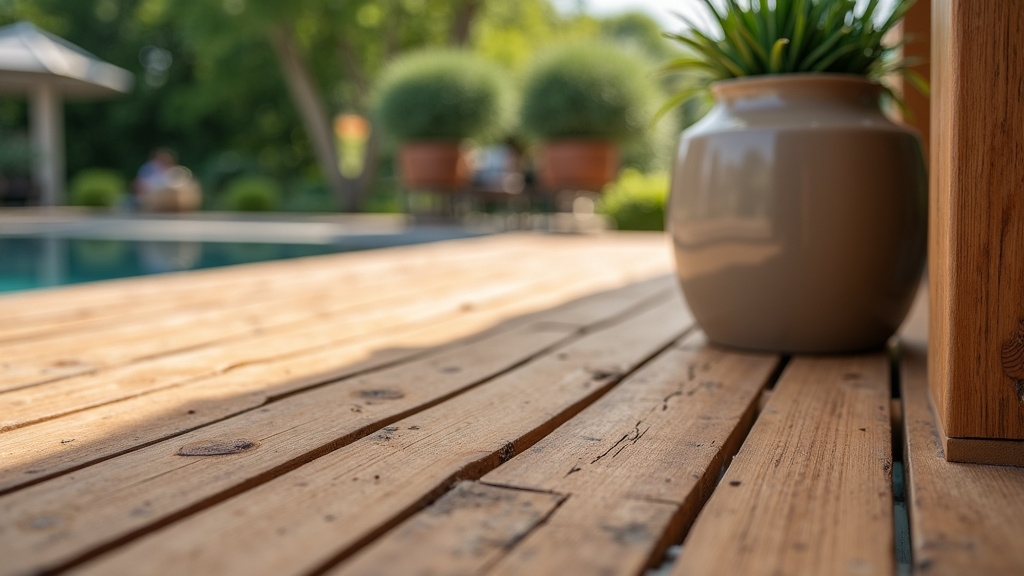
Low Maintenance: Less Work for You
When you buy furniture, you want to enjoy it, not constantly work on it. Teak wood offers a great balance of beauty and low maintenance. Its natural properties mean you don’t need to spend a lot of time and money on upkeep.
Compared to other hardwoods that require frequent sealing, staining, or protection, teak is much simpler. This is a big advantage for busy homeowners. We found that people appreciate furniture that looks good with minimal effort.
Natural Protection Means Less Intervention
The reason teak needs so little maintenance is its natural oil content and dense grain. These features protect it from moisture, UV rays, and insects. This means you don’t need to apply harsh chemicals or frequent protective coatings. Learn more about teak oil and how it protects the wood.
Of course, regular cleaning is always a good idea for any outdoor item. A simple wash with mild soap and water will keep it looking good. But you generally won’t need to worry about sealing or varnishing it as often as other woods. This saves both time and money.
Cleaning and Care Tips
For everyday cleaning, a soft cloth or a gentle brush with warm, soapy water is usually enough. Rinse it well with clean water and let it air dry. Avoid using abrasive cleaners or metal brushes, as these can scratch the surface.
If your teak starts to look dull or develops stains, you might consider a specialized teak cleaner. These are designed to remove dirt and grime without damaging the wood. You can also use teak oil periodically to restore its rich color and luster, though this is not always necessary for protection.
Long-Term Value and Investment
Because teak is so durable and low-maintenance, it represents a wise long-term investment. Teak furniture can last for decades, even generations, with proper care. This means you won’t have to replace it as often as furniture made from less resilient materials.
While the initial cost of teak furniture might be higher, its longevity often makes it more cost-effective over time. You’re paying for quality and durability that will serve you well for many years. We found that many consumers view teak as a worthwhile purchase for its lasting value.
Here’s a quick rundown of why teak is a smart choice:
- Naturally resistant to water and rot.
- Repels insects like termites.
- Withstands sun and weather conditions well.
- Develops a beautiful silvery-gray patina.
- Requires minimal cleaning and maintenance.
- Offers excellent long-term value and durability.
Conclusion
You’ve seen how teak wood offers a compelling blend of natural beauty and practical strength. Its inherent resistance to water, insects, and harsh weather makes it a durable choice for your furniture and outdoor projects. We found that its low-maintenance nature and timeless aesthetic mean you can enjoy your teak pieces for years to come. Considering its long-term value, teak is a smart investment for your home. Your next step is to identify the perfect teak piece that fits your style and needs.
Frequently Asked Questions
How do I clean teak furniture?
For everyday cleaning, a soft cloth with warm, soapy water works well. Rinse thoroughly and let it air dry. Avoid abrasive cleaners or stiff brushes that could scratch the wood surface.
Will teak furniture turn green?
Yes, if left untreated outdoors, teak will naturally weather to a beautiful silvery-gray patina. This is a normal part of its aging process and doesn’t harm the wood. Some people prefer this look.
Is teak wood expensive compared to other woods?
Teak is generally more expensive upfront due to its quality and the cost of sourcing. However, its exceptional durability and low maintenance often make it more cost-effective over the long term compared to woods that require frequent repairs or replacement.
Do I need to seal or oil my teak furniture?
Sealing or oiling is not required for teak’s protection, as its natural oils provide this. Oiling can help restore its original golden color if it has weathered to gray. Cleaning it regularly is more important than constant sealing.
Can teak wood be used indoors?
Absolutely. While teak is famous for its outdoor performance, its beauty and durability also make it an excellent choice for indoor furniture. It holds up well to daily use and maintains its attractive appearance.