Engineered Wood vs Teak Wood: The Honest Answer
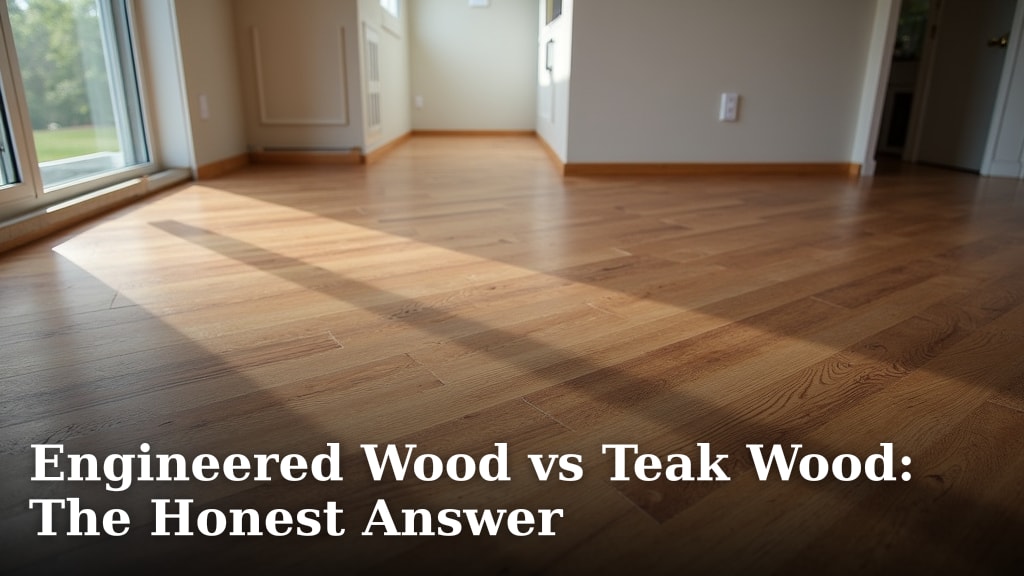
When choosing between engineered wood and teak wood for your projects, engineered wood generally offers a more budget-friendly option that still provides durability and stability. Teak, while a premium hardwood known for its natural beauty and water resistance, comes at a significantly higher price point. Both have their place, but the best choice depends on your budget and specific needs.
You might be wondering which one holds up better over time or looks more luxurious. We found that engineered wood uses a core of plywood or particleboard topped with a thin layer of real wood veneer, making it less prone to expanding and contracting with humidity changes than solid wood. Teak, on the other hand, is a solid, dense wood prized for its timeless appeal and exceptional longevity, especially in outdoor settings.
- Engineered wood is usually more affordable.
- Teak wood is a premium hardwood with higher cost.
- Engineered wood is stable and less affected by moisture.
- Teak is famous for its natural oils and durability.
- Your choice depends on budget and use.
Let’s break down the honest differences between engineered wood and teak so you can make the best decision for your home or project.
Engineered Wood vs. Teak: Making the Right Choice for Your Project
Choosing the right wood for your furniture, flooring, or outdoor space can feel like a big decision. You want something that looks great, lasts a long time, and fits your budget. Today, we’re looking at two popular options: engineered wood and teak. They seem similar, but they have some key differences that matter. We found that understanding these differences helps you avoid costly mistakes and pick the perfect material for your needs.
What Exactly is Engineered Wood?
Think of engineered wood as a smart, layered material. It’s built by combining a core of strong plywood or particleboard with a thin layer of real hardwood veneer on top. This construction gives it some fantastic benefits. We found that it’s often more stable than solid wood. This means it’s less likely to warp or crack when the humidity changes. It’s a clever way to get the look of real wood without all the fuss and expense.
The Construction Breakdown
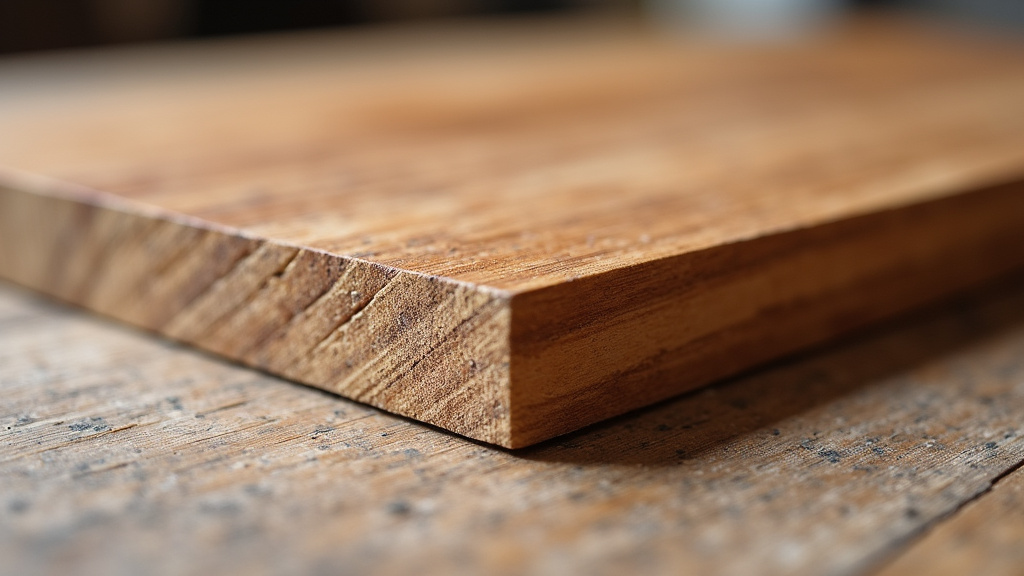
Let’s break down how engineered wood is made. The core layer is usually made from cross-laminated layers of wood. This makes it very strong and stable. On top of this core sits the hardwood veneer. This is the part you see and touch. It can be made from many different types of wood, like oak, maple, or walnut. This gives you a lot of design flexibility. We found that the quality of the veneer can vary, so it’s good to check that out.
Pros of Engineered Wood
- Stability: It doesn’t expand and contract as much as solid wood with changes in temperature and humidity. This is great for areas like basements or kitchens.
- Cost-Effective: Generally, it’s more affordable than solid hardwoods like teak. This helps your budget go further.
- Design Variety: The top layer can be made from many different wood species, offering a wide range of looks and styles.
- Durability: When cared for properly, it can be very durable and hold up well to everyday use.
Cons of Engineered Wood
- Sanding Limitations: Because the veneer is thin, you can only sand it down a limited number of times. Over-sanding can damage the surface.
- Repair Challenges: Deep scratches or damage might be harder to repair than on solid wood.
- Quality Variance: The quality can differ greatly between brands. Cheaper versions might use lower-quality core materials.
Understanding Teak Wood: The Premium Choice
Teak wood is often called the “king of hardwoods.” It’s a tropical hardwood known for its incredible natural beauty and impressive durability. Many experts say its natural oils make it resistant to water, insects, and decay. This makes it a top choice for outdoor furniture and applications where moisture is a concern. We found that teak has a rich, golden-brown color that ages beautifully over time.
The Magic of Teak’s Natural Oils
What makes teak so special? It’s those natural oils we mentioned. These oils act like a built-in protective layer. They repel water, prevent the wood from drying out, and deter pests. This means teak doesn’t rot or crack easily, even when exposed to the elements. Many guidelines point to these natural oils as the reason for teak’s legendary longevity (Forestry Department Report).
Pros of Teak Wood
- Exceptional Durability: Teak is incredibly strong and resistant to wear and tear. It can last for decades, even generations.
- Water and Weather Resistance: Its natural oils make it perfect for outdoor use. It can handle rain, sun, and humidity without much issue.
- Low Maintenance: While it can be oiled to maintain its golden color, it doesn’t strictly require it. It will naturally turn a silvery-gray if left untreated.
- Timeless Beauty: Teak has a classic, luxurious look that never goes out of style.
Cons of Teak Wood
- High Cost: Teak is one of the most expensive hardwoods available. This can be a major drawback for budget-conscious shoppers.
- Weight: Teak is very dense and heavy. This can make it difficult to move or install.
- Sustainability Concerns: Because it’s so desirable, ensuring your teak is sourced sustainably is important. Look for certifications.
- Can Scar: While durable, sharp objects can still dent or scratch the surface, much like any wood.
Comparing Key Features: Engineered Wood vs. Teak
When you place them side-by-side, the differences become clearer. We’ve put together a quick comparison to help you see them in action.
| Feature | Engineered Wood | Teak Wood |
|---|---|---|
| Cost | More Affordable | Premium Price |
| Durability | Good, especially against moisture changes | Exceptional, long-lasting |
| Moisture Resistance | Good stability, less warping | Excellent, due to natural oils |
| Appearance | Varied, mimics solid wood | Rich, golden-brown, classic |
| Maintenance | Standard wood care | Low, can silver with age |
| Ideal Use | Indoor flooring, furniture, cabinets | Outdoor furniture, decks, marine applications |
How They Stand Up to Moisture and Humidity
This is where engineered wood often shines for indoor use. Its layered construction makes it much less prone to expanding or contracting than solid wood when humidity levels change. We found that this stability is a big reason why it’s popular for flooring in various rooms. Teak, on the other hand, is naturally resistant to moisture thanks to its oils. It’s a champion for outdoor applications where it will face the elements directly. While it won’t rot, extreme, constant wetness without drying periods can eventually affect any wood.
The Aesthetic Appeal: What Do They Look Like?
Engineered wood offers a lot of visual variety. The top veneer can be made from many different hardwoods, so you can get the look of oak, maple, cherry, or walnut. This flexibility means you can match almost any decor style. Teak has a distinct look. It’s a warm, golden brown color with a beautiful grain pattern. Over time, if left untreated, it weathers to a lovely silvery-gray patina. Many people love this aged look for outdoor furniture.
Maintenance: What’s Involved?
Generally, engineered wood requires similar care to solid hardwood. Regular sweeping or vacuuming and occasional damp mopping are usually sufficient. Avoid excessive water. For teak, maintenance is often about preference. If you want to keep that golden color, you’ll need to apply teak oil or a sealant periodically. If you don’t mind the natural aging process, you can leave it as is. Many people find teak to be very low maintenance, which is a big plus.
Making Your Final Decision: A Checklist
To help you decide which wood is right for you, ask yourself these questions:
- What’s your budget? Are you looking for a more affordable option or willing to invest more?
- Where will it be used? Is it for indoors or outdoors? Will it face direct moisture?
- What look are you going for? Do you need a specific wood grain or color, or are you open to variety?
- How much maintenance are you willing to do? Do you prefer low-maintenance or enjoy upkeep?
- How long do you expect it to last? Are you looking for something that will last a decade or multiple generations?
Conclusion
Choosing between engineered wood and teak really comes down to your priorities. If your budget is tight and you need a stable, attractive wood for indoor projects, engineered wood is a smart, practical choice. You get the look of real wood without the high cost or the worry about humidity changes. For those seeking ultimate durability, a classic look, and excellent performance in harsh conditions, especially outdoors, teak wood is the premium option. It’s an investment that pays off in longevity and timeless appeal. Before you buy, consider where it will go and how much you want to spend.
Frequently Asked Questions
Can engineered wood be used outdoors like teak?
Generally, engineered wood is best suited for indoor use. While it’s stable and resistant to humidity changes, it’s not designed to withstand direct exposure to rain, sun, and extreme weather like teak is. For outdoor applications, teak remains the superior choice due to its natural oils and density.
How long does teak wood really last?
Teak wood is known for its exceptional longevity. When properly cared for, teak furniture and structures can last for many decades, often 50 years or more. Its natural oils and dense grain protect it from rot, decay, and insect damage, making it a long-term investment.
Is engineered wood just as strong as teak?
While engineered wood is quite durable and stable for its intended use, teak wood is significantly stronger and more robust. Teak’s dense hardwood composition makes it more resistant to dents, scratches, and heavy wear compared to the layered structure of engineered wood, especially the veneer layer.
What’s the difference in appearance between engineered wood and teak?
Engineered wood can mimic the appearance of many different hardwoods, offering a wide variety of looks. Teak has a distinctive warm, golden-brown color and a straight, even grain pattern. Over time, teak naturally weathers to a silvery-gray patina if left untreated, which many find appealing for outdoor settings.
Which wood is better for a kitchen floor: engineered or teak?
For a kitchen floor, engineered wood is often a more practical and budget-friendly choice. Its stability makes it less prone to warping from moisture spills and humidity changes common in kitchens. While teak is water-resistant, its premium cost and weight might be overkill for a typical kitchen floor, and it’s more commonly chosen for outdoor decks or patios.