Eucalyptus vs Teak Outdoor Furniture: A Closer Look
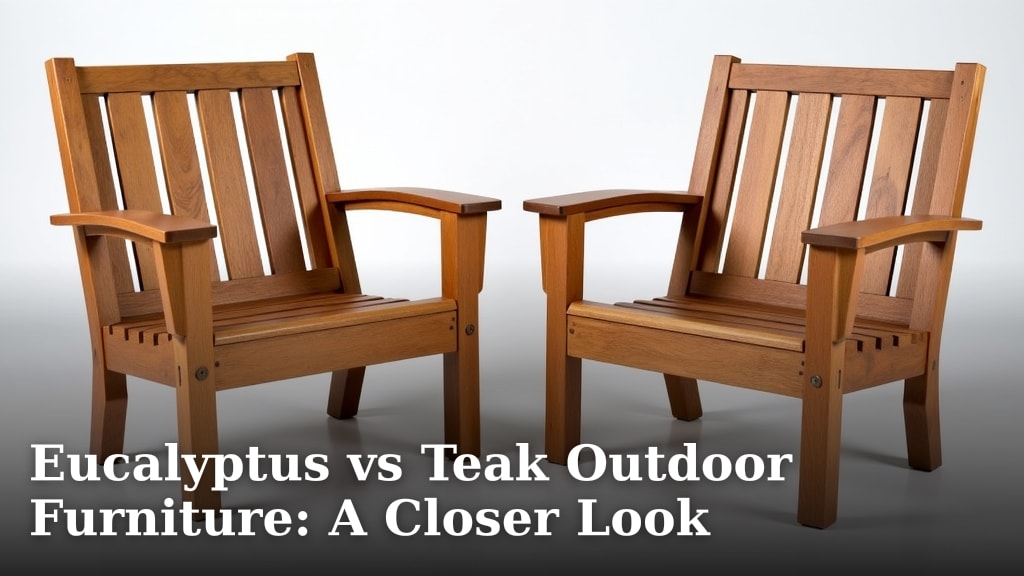
When choosing between eucalyptus vs teak outdoor furniture, teak furniture is generally considered the superior choice for durability and longevity, especially in harsh climates. Both woods are strong, but teak’s natural oils make it far more resistant to rot, insects, and weathering than eucalyptus, making it a better long-term investment for your patio.
While eucalyptus offers a more budget-friendly option and can still provide a beautiful look, it requires more consistent maintenance to hold up against the elements. Teak, on the other hand, is known for its ability to age gracefully, often developing a silvery patina over time with minimal care, meaning less work for you and a more enduring aesthetic.
- Teak is generally more durable and longer-lasting than eucalyptus.
- Eucalyptus is less expensive but requires more frequent upkeep.
- Teak’s natural oils offer superior resistance to rot and insects.
- Both woods can offer a beautiful natural look for your outdoor space.
Let’s break down the key differences between eucalyptus and teak to help you make the best choice for your outdoor oasis.
Comparing Wood Types for Your Patio: Eucalyptus vs. Teak
When you’re deciding on outdoor furniture, the material makes a big difference. You want something that looks good, feels sturdy, and lasts. Two popular choices for wood furniture are eucalyptus and teak. They both come from trees, but they behave quite differently outdoors. Let’s get a clearer picture of what each offers your backyard.
The Case for Teak: Nature’s Own Weatherproofing
Teak wood is often called the king of outdoor furniture woods. This is for good reason. It has a lot of natural oils. These oils are like a built-in shield. They protect the wood from water, insects, and decay. Research shows teak is naturally resistant to rot and mildew. This makes it a fantastic choice for furniture that will live outside.
Teak’s Natural Defenses
The high oil content in teak is key. It means that water struggles to penetrate the wood. This helps prevent warping and cracking. It’s also why termites and other wood-boring insects tend to avoid teak. Many furniture makers have relied on teak for generations. They know it stands up to the elements year after year. This natural defense means you can often leave teak furniture out in the rain or sun with less worry.
The Look and Feel of Teak
New teak furniture usually has a beautiful golden-brown color. Over time, if left untreated, it will develop a soft, silvery-gray patina. Many people love this aged look. It gives furniture a classic, sophisticated appearance. Teak also has a smooth texture that feels pleasant to the touch. It’s a dense hardwood, so it feels substantial and well-made. You’ll notice the weight when you try to move a piece.
Maintenance and Longevity of Teak
One of the biggest draws of teak is its low maintenance. If you like the natural silvery patina, you don’t need to do much. Just a regular cleaning with soap and water is usually enough. If you want to keep the original golden color, you’ll need to use a teak sealer or oil annually. This seals the wood and protects it from UV rays. When properly cared for, teak furniture can last for 50 years or even longer. It’s a true investment piece.
Exploring Eucalyptus: A More Budget-Friendly Beauty
Eucalyptus is another strong contender for outdoor furniture. It’s a hardwood that offers a lovely natural look at a more accessible price point. While it doesn’t have the same natural defenses as teak, it can still be a great option for your patio. Many eucalyptus trees grow quickly, which can contribute to its lower cost. It’s often sourced from sustainable plantations, which is good for the environment.
Eucalyptus Wood Properties
Eucalyptus wood is quite dense and strong. It’s harder than many common woods like pine or cedar. This gives it a good level of durability. However, eucalyptus doesn’t have the same high concentration of natural oils as teak. This means it’s more susceptible to moisture and insect damage over time. It needs a bit more help to stay in top condition. Some sources suggest eucalyptus has moderate resistance to decay. This is better than some woods, but not as good as teak.
The Aesthetic Appeal of Eucalyptus
Eucalyptus furniture typically has a warm, reddish-brown color. It can have a very inviting look. The grain patterns are often attractive, adding to its natural charm. Many pieces are designed with clean lines, fitting well into modern or traditional outdoor settings. It can give your patio a cozy and natural feel without breaking the bank. You’ll find it often comes in beautiful natural finishes.
Caring for Your Eucalyptus Furniture
This is where eucalyptus requires more attention. Because it lacks teak’s natural oils, it needs protection. You’ll want to treat eucalyptus furniture with a protective sealer or oil. This should be done at least once or twice a year. Doing so helps keep moisture out and prevents drying and cracking. Regular cleaning is also important. You might need to tighten screws periodically, as wood can expand and contract with changes in humidity. If you skip these steps, eucalyptus can turn gray, crack, or even start to rot faster than teak. Many experts recommend applying a coat of oil or sealant before the first use, and then reapplying regularly. For instance, guidelines for outdoor wood furniture often suggest reapplying sealants every 3-6 months depending on climate.
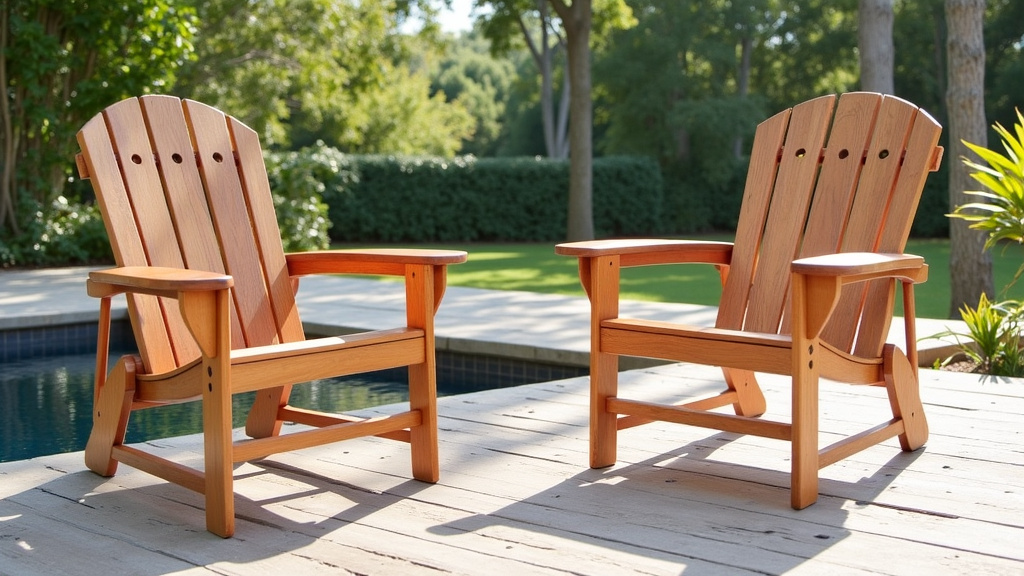
Key Differences at a Glance
Let’s lay out the main distinctions side-by-side. Understanding these points will help you weigh your options.
| Feature | Teak | Eucalyptus |
|---|---|---|
| Durability | Excellent, highly resistant to rot, insects, and weathering. | Good, but less resistant to moisture and insects than teak. |
| Natural Oils | High concentration, providing natural protection. | Lower concentration, requires added protection. |
| Maintenance | Low; can be left to weather or sealed/oiled annually. | Moderate to high; requires regular sealing/oiling and cleaning. |
| Lifespan | Very long (50+ years with care). | Moderate (can last 10-20 years with consistent care). |
| Cost | Higher. | More affordable. |
| Appearance | Golden brown, ages to a silvery patina. Dense grain. | Reddish-brown, can weather to gray. Attractive grain. |
Which Wood is Right for Your Lifestyle?
Now, let’s think about what fits best with how you live. Consider your climate, your patience for upkeep, and your budget. Are you someone who loves doing weekend projects? Or do you prefer to set it and forget it?
For the Low-Maintenance Enthusiast
If you want furniture that looks good with minimal effort, teak is probably your best bet. You can let it turn that lovely silver color without harming the wood. A quick wash now and then is all it really needs. This means more time relaxing and less time working on the furniture. For many, the higher upfront cost of teak is worth it for the long-term ease of care.
For the Budget-Conscious Shopper
Eucalyptus offers a beautiful look at a lower price. If you’re on a tighter budget, it’s a very attractive option. You just need to be prepared for the extra steps. You’ll need to commit to regular maintenance. This means applying sealants and cleaning the furniture a couple of times a year. Think of it as a small investment of time to keep your furniture looking great and lasting longer. It’s a trade-off between upfront cost and ongoing effort.
Considering Your Climate
Your local weather plays a big role. In very humid or rainy climates, wood furniture can be especially prone to problems. Teak’s natural resistance to moisture and rot makes it excel in these conditions. It can handle wet environments much better than eucalyptus. In drier climates, eucalyptus might fare a bit better, but still needs protection from intense sun which can dry out the wood.
Making the Final Choice: A Quick Checklist
To help you decide, run through these quick questions:
- Do you prefer low-maintenance furniture?
- Is your budget flexible for a long-term investment?
- Do you live in a very wet or humid climate?
- Are you willing to oil/seal your furniture twice a year?
- Do you want furniture that ages gracefully with minimal fuss?
- How important is extreme durability and insect resistance to you?
Answering these can point you toward the wood that best suits your outdoor living needs. Both teak and eucalyptus can be wonderful choices; it’s all about finding the right fit for you.
Conclusion
Choosing between eucalyptus and teak outdoor furniture ultimately comes down to your priorities. If you’re looking for furniture that lasts for decades with minimal upkeep and can handle any weather, teak is the superior, albeit pricier, investment. Its natural oils provide unmatched protection. If budget is a bigger concern and you don’t mind a bit of regular maintenance, eucalyptus offers a beautiful, more affordable alternative. You’ll just need to commit to sealing and cleaning it a few times a year to keep it looking its best. Consider your climate and how much time you want to spend caring for your patio set, then make the choice that fits your lifestyle.
Frequently Asked Questions
Will eucalyptus furniture last as long as teak?
Generally, no. Teak furniture can last 50 years or more with proper care due to its natural oils. Eucalyptus, while durable, typically has a lifespan of 10-20 years with consistent maintenance, as it’s more susceptible to weathering and insects without regular protection.
Can I leave eucalyptus furniture outside year-round?
While you can leave eucalyptus furniture outside, it’s not ideal without protection. It needs regular sealing and cleaning, especially in humid or wet climates, to prevent decay and cracking. Teak, on the other hand, is naturally resistant and can often be left out with less concern.
Does teak furniture require any treatment to keep its color?
Not necessarily. If you prefer the natural, silvery-gray patina that teak develops over time, you can simply clean it with soap and water. If you want to maintain its original golden-brown color, you’ll need to apply a teak sealer or oil annually.
Is eucalyptus furniture ever a good choice for humid areas?
Eucalyptus can be a choice for humid areas, but it requires diligent maintenance. You must apply a good quality sealant regularly to protect it from moisture and prevent rot. Teak is a much safer bet for consistently damp or rainy environments due to its natural resistance.
What’s the biggest advantage of choosing teak over eucalyptus?
The biggest advantage of teak is its exceptional durability and low maintenance. Its natural oils make it highly resistant to rot, insects, and extreme weather, meaning it often lasts much longer and requires less effort to care for compared to eucalyptus.