Teak vs Cedar Outdoor Furniture: A Beginner’s Overview
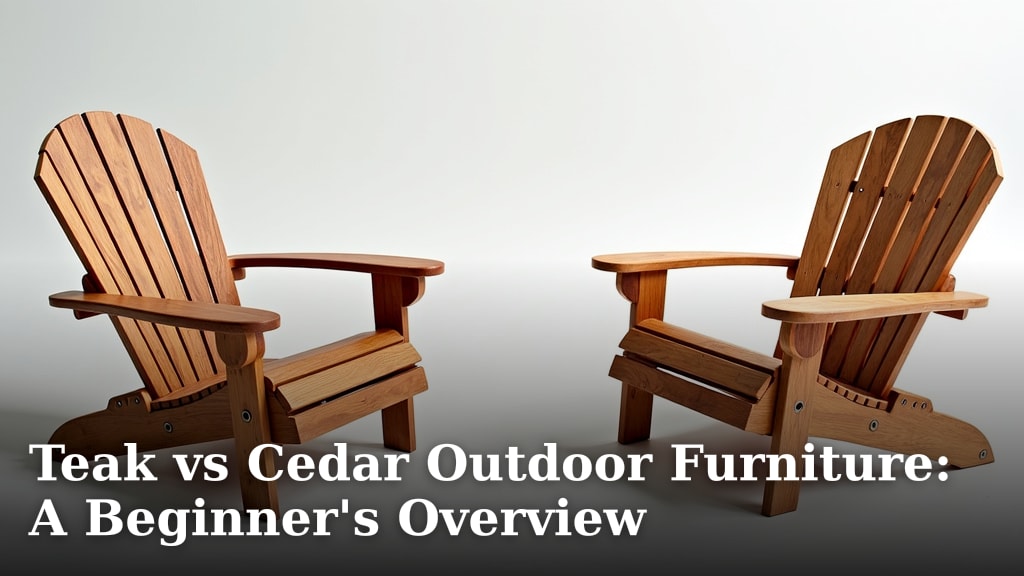
When choosing outdoor furniture, both teak and cedar are excellent, durable woods. Teak tends to be more expensive but offers superior natural oils for weather resistance. Cedar is more budget-friendly and naturally repels insects, making it a great choice for many backyards. Your best pick depends on your budget and desired maintenance level.
You’re likely weighing these two popular wood types for your patio or deck. We found that understanding their unique benefits helps a lot. Teak is known for its luxurious feel and ability to withstand harsh elements with minimal care. Cedar, on the other hand, offers a beautiful natural look and strong pest resistance without breaking the bank. Both can make your outdoor space truly inviting.
- Teak is naturally resistant to rot and insects.
- Cedar is budget-friendly and also insect-repellent.
- Teak requires less maintenance but costs more.
- Cedar might need oiling more often to maintain its look.
- Both are great for creating a beautiful outdoor living area.
Let’s walk through the differences between teak and cedar furniture to help you make the best choice for your outdoor oasis.
Comparing Teak and Cedar for Your Outdoor Furniture Needs
You’re thinking about upgrading your patio furniture. That’s great! Both teak and cedar are top contenders. They offer beauty and durability for your outdoor space. But they have key differences. We’ll help you understand these woods. This way, you can pick the best fit for your lifestyle and budget. Let’s dive in.
Understanding Teak Wood: The Luxury Choice
Teak is often seen as the premium option for outdoor furniture. It comes from deciduous trees native to South and Southeast Asia. What makes teak so special? It’s packed with natural oils. These oils make the wood incredibly resistant to decay and water. Think of it like a built-in raincoat for your furniture.
Why Teak Stands Out
Teak’s natural oils do more than just protect it. They also make it resistant to pests. Termites and other wood-boring insects tend to stay away from teak. This is a huge plus for keeping your furniture looking good for years. Many experts agree that teak’s density and high oil content are unmatched in hardwood durability (Forest Products Laboratory).
The appearance of teak is also a big draw. New teak furniture often has a warm, golden-brown color. Over time, it weathers to a soft, silvery-gray patina if left untreated. This transformation is quite beautiful. Many people love this weathered look. It adds a relaxed, natural feel to any setting. The smooth texture is also pleasant to the touch.
The Durability and Longevity of Teak
When it comes to longevity, teak is hard to beat. Its natural oils and dense grain structure make it very stable. It resists warping, cracking, and splintering, even when exposed to harsh weather. You can expect teak furniture to last for decades, sometimes even a century, with proper care.
This resilience means your teak investment can be enjoyed by generations. It’s a piece that can become a family heirloom. We found that the upfront cost is higher, but the long-term value often justifies the expense. It’s a choice for those who want furniture that lasts a lifetime.
Teak Maintenance: What to Expect
One of the biggest appeals of teak is its low maintenance requirement. Thanks to those natural oils, it doesn’t need sealing or staining to protect it from the elements. If you like the silvery-gray weathered look, you can simply clean it occasionally with mild soap and water. This makes it a stress-free option for busy individuals.
If you prefer to maintain the original golden-brown color, you’ll need to apply a teak sealant or oil annually. This prevents oxidation, which causes the graying. Cleaning it properly before applying any finish is important. Most manufacturers offer specific products for this. We found that regular dusting and a yearly wash are enough for most users. If you prefer to maintain the original golden-brown color, you’ll need to apply a teak sealant or oil annually.
Exploring Cedar Wood: The Natural Choice
Cedar, particularly Western Red Cedar, is another fantastic wood for outdoor furniture. It’s known for its beautiful natural appearance and pleasant aroma. Unlike teak, cedar is typically more affordable. This makes it an accessible option for many homeowners looking to furnish their patios or decks.
The Allure of Cedar
Cedar has a distinct, pleasant scent. It’s often used in closets and chests to deter moths. This natural aromatic quality also applies to outdoor use, making it resistant to common pests like insects and rodents. This is a big win for keeping your furniture bug-free.
The wood itself has a beautiful, reddish-brown or pinkish hue. It has a fine, straight grain. This gives it a classic, rustic look. Cedar can also weather to a silvery-gray, similar to teak, if left exposed. Many people choose cedar for its natural beauty and earthy tones.
Cedar’s Natural Resistance and Durability
Cedar contains natural oils and extractives that act as preservatives. These compounds make the wood resistant to decay and rot. It also has a natural ability to repel insects. This means cedar furniture can hold up well outdoors.
However, cedar is a softer wood than teak. It’s more prone to dents and scratches. While durable, it may not withstand the same level of wear and tear as teak. Many sources suggest cedar is best suited for areas with less extreme weather or for furniture that isn’t used daily under heavy stress (USDA Forest Service).
Maintaining Your Cedar Furniture
Cedar requires a bit more attention to maintain its appearance than teak. If you want to preserve its rich color, you’ll need to treat it regularly. This usually involves applying a sealant, stain, or oil at least once a year, sometimes more often depending on your climate.
Without protection, cedar will eventually weather to a silvery-gray. This is not a sign of decay but a natural aging process. Cleaning is also essential. You’ll want to remove dirt and debris regularly. Using a soft brush and a mild soap solution is typically recommended. If you’re okay with the gray patina, maintenance is reduced. You’ll just need to clean it periodically.
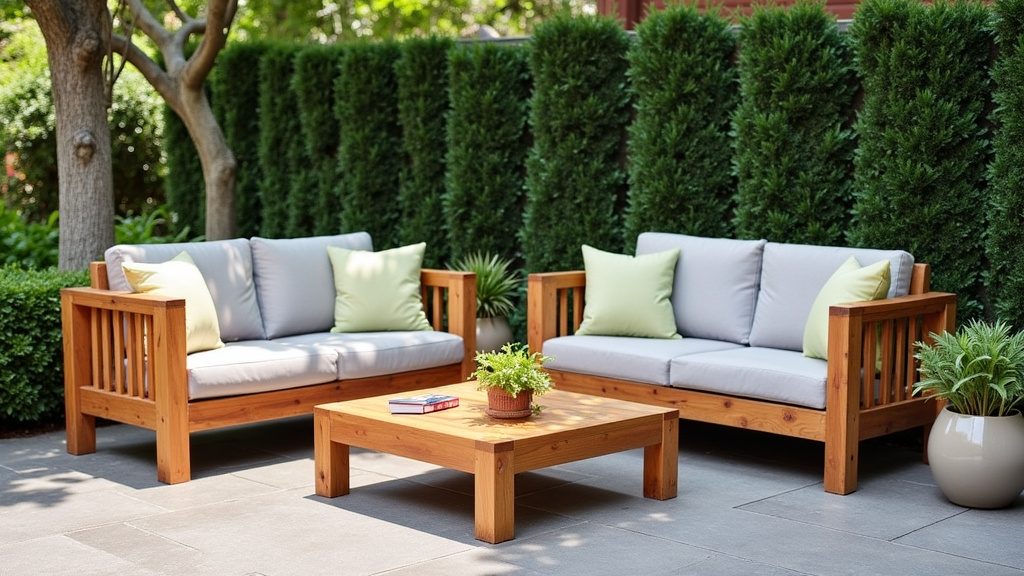
Key Differences: Teak vs. Cedar At a Glance
Let’s break down the main distinctions to help you decide. Understanding these points will make your choice much clearer. It’s like comparing two great cars; both get you where you want to go, but one might be a smoother ride.
Cost Comparison
Teak is generally significantly more expensive than cedar. This is due to its rarity, slow growth, and high demand. Cedar, on the other hand, is more widely available and grows faster, making it a more budget-friendly option. For many, cedar offers excellent value for money.
Maintenance Needs
Teak requires minimal maintenance if you embrace the weathered gray look. Cedar also weathers, but to maintain its original color, it needs more frequent sealing or oiling than teak. If low maintenance is your top priority, teak might have an edge, but only if you’re okay with the gray aging.
Durability and Lifespan
Both woods are durable, but teak typically lasts longer. Teak’s dense, oily nature makes it highly resistant to decay and extreme weather. Cedar is also resistant but is softer and can be more susceptible to physical damage. We found that teak often has a longer lifespan, potentially for generations.
Appearance and Feel
Teak has a smooth, dense grain and a warm, golden color that weathers to silver-gray. Cedar has a more rustic look, with a reddish-brown hue and a distinct aroma, also weathering to gray. The feel is different; teak feels very solid and smooth, while cedar can feel lighter.
Resistance to Elements and Pests
Both woods have natural resistance to rot and insects. Teak’s natural oils give it superior protection. Cedar’s aromatic compounds also deter pests effectively. Neither wood typically requires chemical treatments for these issues.
Making Your Final Decision: A Checklist
To help you wrap your head around it all, consider these quick points. They summarize the core of what we’ve discussed. Think about which fits your life best.
- Do you want furniture that can last 50+ years with minimal color care? Teak might be for you.
- Is budget a primary concern? Cedar is likely the better value.
- Are you okay with your furniture naturally turning gray? Both work, but teak needs less upkeep to achieve this.
- Do you prefer a very smooth, dense wood feel? Teak often provides this.
- Do you want furniture that is naturally insect-repellent without chemicals? Both work, but teak’s oils are exceptionally effective.
- How much time can you dedicate to upkeep each year? Teak generally requires less, especially if you like the gray patina.
| Feature | Teak | Cedar |
|---|---|---|
| Cost | High | Moderate |
| Durability | Very High | High |
| Lifespan | 50+ years (often 100+) | 20-30 years (with care) |
| Maintenance (to keep original color) | Annual oiling/sealing | Annual sealing/staining |
| Maintenance (to embrace graying) | Minimal cleaning | Minimal cleaning |
| Pest Resistance | Excellent (natural oils) | Good (natural extractives) |
| Appearance | Smooth, dense, golden-brown to silver-gray | Lighter, aromatic, reddish-brown to silver-gray |
Conclusion
Choosing between teak and cedar for your outdoor furniture is about balancing your priorities. If you want furniture that can truly last a lifetime with minimal effort, and your budget allows, teak is an excellent investment. Its natural oils offer superior protection. If you’re looking for a beautiful, naturally insect-repellent option that’s kinder to your wallet, cedar is a fantastic choice. You’ll just want to be prepared for a bit more upkeep if you wish to maintain its original color. Either way, you’re selecting a durable wood that will enhance your outdoor living space for years to come. Consider your budget and how much time you want to spend on maintenance to make the perfect pick for your patio.
Frequently Asked Questions
Which wood is better if I want my furniture to last for generations?
For furniture intended to last for multiple generations, teak is generally the superior choice. Its dense, oily structure makes it exceptionally resistant to decay and harsh weather over very long periods. Cedar is durable but may require more attention over many decades to retain its integrity.
Is teak furniture really worth the higher cost compared to cedar?
The value of teak lies in its exceptional longevity and very low maintenance, especially if you embrace its natural graying. If you plan to keep your furniture for 20-30 years or more and prefer minimal upkeep, the higher upfront cost of teak can prove to be a good long-term investment. Cedar offers great value for shorter-term use or if you don’t mind more frequent treatments.
Can I leave both teak and cedar furniture outside all year round without covering it?
Yes, both teak and cedar are naturally resistant to rot and insects, making them suitable for outdoor use year-round without covers. Teak’s natural oils provide excellent protection against moisture and UV rays, while cedar’s extractives offer good preservation. However, covering furniture can help extend its life and maintain its appearance, regardless of the wood type.
How often will I need to oil or seal cedar furniture to keep it looking good?
To maintain cedar’s original reddish-brown color, you’ll typically need to apply a sealant, stain, or oil at least once a year. Some climates or intense sun exposure might require a second application. If you’re happy with the wood weathering to a silver-gray, then yearly treatments aren’t necessary for protection, only cleaning.
Does teak furniture ever get damaged by insects or rot?
Teak is highly resistant to both insect damage and rot due to its high natural oil content and dense grain. While no wood is completely indestructible, teak furniture is very unlikely to be significantly damaged by termites, wood-boring insects, or decay, even when exposed to moisture and humidity.