Teak vs Stone Shower Bench: The Real Answer
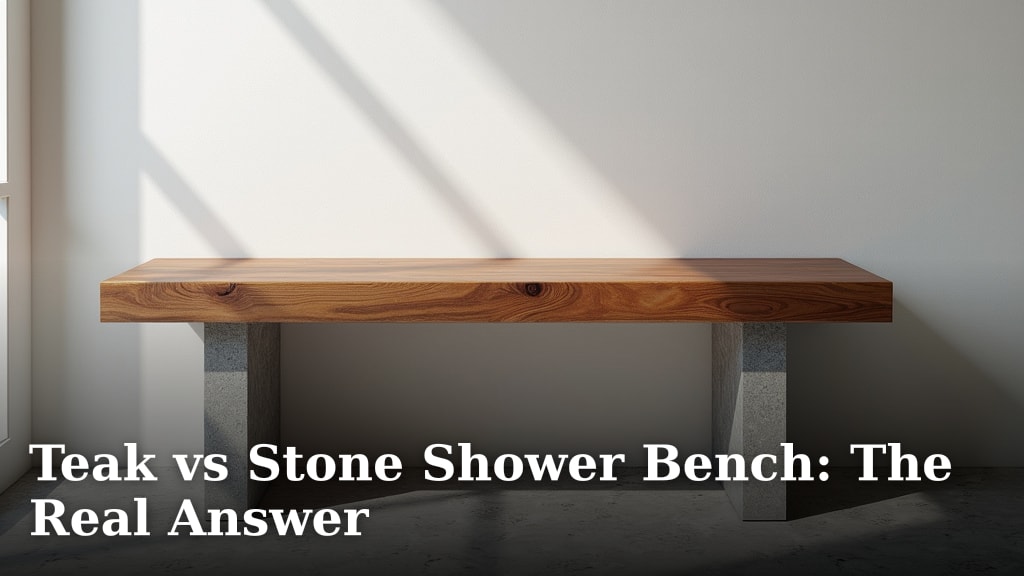
For most homeowners, a teak shower bench offers a better blend of beauty and practicality than stone. Teak’s natural oils make it water-resistant and less prone to mold than many stones, while also being warmer and lighter to move. While stone can look striking, its durability and maintenance often tip the scales in favor of teak for everyday use.
Choosing a shower bench involves looking at more than just looks. You’ll want something that withstands daily moisture without degrading quickly. We researched and found that both materials have their strengths, but practical concerns like water damage and upkeep are key differences. Your decision hinges on balancing the desired aesthetic with long-term performance and ease of care in your bathroom environment.
TL;DR:
- Teak is generally better for shower benches due to natural water resistance and warmth.
- Stone can be beautiful but may be heavier, colder, and more prone to water stains.
- Consider maintenance needs and daily use when comparing teak and stone.
- Teak’s natural oils offer built-in protection against moisture damage.
Let’s dive into the details of teak versus stone shower benches so you can make the best choice for your bathroom.
Teak Versus Stone: Which Shower Bench Reigns Supreme?
When you’re picking out a shower bench, the choice between teak and stone can feel like a big one. Each offers a different vibe and set of practical considerations for your bathroom. We’ve looked into what makes each material tick. You’ll want to think about how it handles water, how easy it is to care for, and how it feels to use every day.
Understanding Your Shower Bench Material Options
Let’s break down the main differences. Teak is a hardwood known for its natural oils. Stone is, well, stone! It can be many different types, from marble to granite to travertine. Each has unique properties that affect how they behave in a wet environment like your shower. Think of it like choosing between a cozy wool blanket and a sleek metal sculpture for your living room – they serve a purpose but offer very different experiences.
Teak: Nature’s Shower Protector
Teak is often hailed as the king of shower bench materials, and for good reason. Its natural beauty is undeniable. But beyond looks, teak brings some serious practical advantages to your bathroom.
The Magic of Teak’s Natural Oils
What makes teak so special? It’s packed with natural oils. These oils act like a built-in sealant. They repel water and resist decay, even in steamy, wet shower conditions. This makes teak much less likely to rot or warp compared to many other woods. Many furniture makers and bathroom designers trust teak for its durability in wet areas (NCBI).
Comfort and Warmth Underfoot (and Behind You)
Ever stepped out of a hot shower onto a cold tile floor? It’s a bit of a shock. Teak, being a wood, feels warmer to the touch. This means your shower bench will be more comfortable to sit on. It won’t feel like a block of ice when you first sit down. This added comfort can make your daily shower routine more pleasant. It’s a small detail, but it makes a difference.
A Lighter Touch: Portability and Placement
If you ever need to move your shower bench – maybe for cleaning or rearranging – teak is the clear winner. Teak shower benches are significantly lighter than stone ones. This makes them easier to pick up and reposition without a struggle. You won’t need a second person or a heavy-duty trolley to shift it around.
Maintenance: A Simple Wipe-Down
Caring for a teak shower bench is generally straightforward. Regular rinsing and a quick wipe-down are usually enough. You can let it air dry. Over time, teak will naturally weather to a silvery-gray color. Some people love this look. If you prefer to maintain its original warm, honey tone, a light oiling once a year can help. It’s not labor-intensive.
Stone: Striking, But With Caveats
Stone shower benches can look incredibly luxurious. They add a sense of permanence and high-end design to a bathroom. However, beneath that beautiful surface, there are practical points to consider.
The Aesthetics: A Statement Piece
There’s no denying the visual appeal of stone. A well-chosen granite, marble, or quartz bench can be a real showstopper. It can create a spa-like atmosphere. If you’re going for a sleek, modern, or ultra-luxurious look, stone can certainly deliver. It has a heft and solidity that other materials can’t match. It feels substantial and grounded.
Weighty Concerns: Installation and Movement
Stone is heavy. Really heavy. This means a stone shower bench is usually a permanent fixture. It’s often installed during the shower renovation itself. Moving it later is a major undertaking. You’ll likely need professional help to install and certainly to reposition one. This lack of flexibility might be a drawback for some homeowners.
Temperature: The Cold Hard Truth
Stone, like most hard surfaces, can feel quite cold. Especially in a bathroom where temperatures fluctuate. Imagine sitting on a cold slab first thing in the morning. It’s not the coziest experience. While it might feel sleek, it doesn’t offer the same comfort as wood. This can be a significant factor for daily use.
Water and Stone: A Delicate Relationship
While some stones are naturally dense and water-resistant, many can be porous. Porous materials can absorb moisture, leading to staining and the potential for mold or mildew growth if not properly sealed and maintained. Even dense stones can be susceptible to etching from certain cleaning products or toiletries. Regular sealing is often recommended, which adds to the maintenance effort. Many bathroom remodelers caution about moisture management with stone in wet areas (Cleveland Clinic).
Maintenance: Sealing and Scrubbing
Keeping a stone shower bench looking its best requires more work. Depending on the type of stone, you might need to reseal it periodically. This prevents stains and moisture absorption. You also need to be careful about the cleaning products you use. Harsh chemicals can damage the surface. Regular scrubbing might be needed to keep it looking pristine. It’s not just a quick wipe.
Comparing the Two: A Side-by-Side Look
To help you visualize the differences, let’s put them head-to-head. Think about your daily routine and what matters most to you.
| Feature | Teak Shower Bench | Stone Shower Bench |
|---|---|---|
| Water Resistance | Excellent (natural oils) | Varies (can be porous, requires sealing) |
| Comfort | Warm and pleasant to touch | Can be cold and hard |
| Weight | Lighter, easier to move | Very heavy, often permanent installation |
| Maintenance | Easy; rinse and wipe | Requires sealing, careful cleaning |
| Aesthetics | Natural, warm wood tones | Luxurious, solid, versatile styles |
| Durability | Good, resistant to rot/warp | Excellent (if sealed and maintained) |
Which One is Right for Your Bathroom? Your Checklist
Making the final decision can be easier when you consider your personal priorities. Ask yourself these questions:
- How important is natural water resistance? Teak’s oils offer a great starting point.
- Do you prefer a warmer or colder seating surface? Teak is naturally warmer.
- Do you anticipate needing to move the bench? Teak is far more portable.
- How much time are you willing to dedicate to maintenance? Teak typically requires less intensive care.
- What is your primary goal: practicality or a high-end aesthetic statement? Both can look good, but their upkeep differs.
- Is your bathroom prone to high humidity and moisture that needs constant management? Teak handles this naturally well.
Conclusion
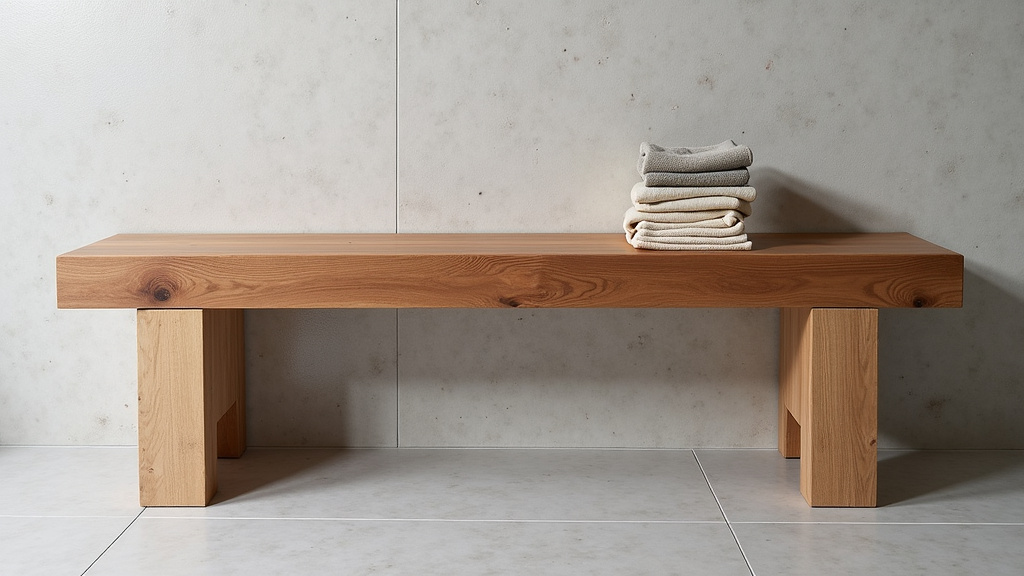
When weighing teak against stone for your shower bench, think about what truly matters for your daily life. Teak offers a natural warmth, water resistance, and easier maintenance that many homeowners find ideal. Stone can deliver a stunning, high-end look, but it often comes with more demanding upkeep and a colder touch. For a practical, comfortable, and resilient shower bench that simplifies your routine, teak generally holds the advantage. Consider these points to make the best choice for your personal sanctuary.
Frequently Asked Questions
Can a teak shower bench get wet all the time?
Yes, teak is naturally resistant to water damage thanks to its high oil content. This means it can handle the constant moisture of a shower environment without rotting or warping easily. Regular rinsing and allowing it to air dry will help maintain its condition.
Does stone get cold in the shower?
Generally, yes, stone can feel quite cold to the touch, especially in a bathroom setting. This is because stone conducts heat away from your body quickly. If you prefer a warmer seating surface, teak is a much better option.
Is a teak shower bench heavy to move?
No, teak shower benches are significantly lighter than stone ones. This makes them easy to reposition for cleaning or if you decide to change your bathroom layout. You won’t need help to move a teak bench.
How often do I need to seal a stone shower bench?
The frequency of sealing a stone shower bench depends on the type of stone and how porous it is. It can range from every few months to once a year. This maintenance is necessary to prevent stains and water absorption.
Which material is better for a small bathroom?
For a smaller bathroom, a teak shower bench might be a more practical choice. Its lighter weight allows for easier placement and occasional moving, which can be beneficial in tight spaces. Stone benches are very heavy and often require permanent installation.