Teak Wood vs Oak Wood: The Simple Answer
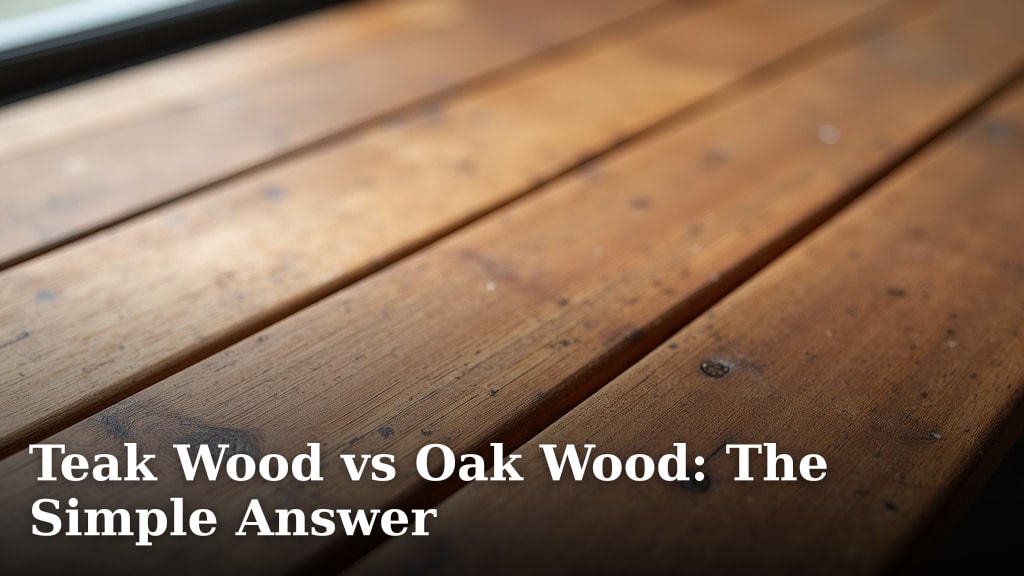
When comparing teak wood and oak wood, teak is generally considered the superior choice for outdoor furniture. This is because teak is naturally resistant to water, rot, and insects, thanks to its high oil content. Oak, while a beautiful hardwood, is much more prone to damage from the elements without heavy treatment.
Choosing the right wood for your project means understanding its unique strengths. While both are popular for furniture and flooring, their durability and maintenance needs differ greatly. We found that considering your intended use is key to making the best decision between these two fine woods, especially regarding their ability to withstand moisture and general wear and tear.
- Teak excels outdoors due to natural oils making it water and insect resistant.
- Oak is a strong hardwood but needs protection for outdoor use.
- Teak is a premium choice, often carrying a higher price tag.
- Oak is more budget-friendly and widely available.
- Consider where you’ll use the wood to decide between teak and oak.
Let’s dive into the details of teak and oak so you can confidently pick the wood that’s right for your needs.
Teak vs. Oak: Which Wood Should You Choose?
Picking the right wood can feel like a puzzle. You want something that looks good and lasts. Teak and oak are both popular choices. They both make beautiful furniture and flooring. But they act very differently in your home and outdoors. Let’s break down what makes each one special.
Understanding Wood’s Natural Traits
Wood is a natural material. Its characteristics come from how the tree grew. Things like its environment and species play a big role. This affects its strength, looks, and how it handles moisture. It’s good to know these basics before you buy.
What Makes Teak So Special?
Teak wood is famous for a reason. It comes from the Tectona grandis tree. These trees grow in South and Southeast Asia. Teak has a natural charm. It’s also packed with natural oils. These oils are like a built-in shield for the wood.
Teak’s Natural Defenses
The natural oils in teak are amazing. They make the wood highly resistant to water. This means it won’t easily warp or rot when wet. These oils also deter insects. Termites and other pests find teak unappealing. Many experts say this natural protection is unmatched (Forestry Department). This makes teak ideal for places where moisture is a problem. Learn more about teak oil and how it protects wood.
The Look and Feel of Teak
Teak has a beautiful golden-brown color. It often has a straight, fine grain. Over time, teak exposed to the elements turns a silvery-gray. Many people like this weathered look. It adds character. It feels smooth to the touch. This is due to its high density and fine texture.
What About Oak Wood?
Oak is another hardwood that’s very popular. There are many types of oak trees. Red oak and white oak are common in furniture and flooring. Oak is known for its strength and durability. It’s a sturdy choice for many projects.
Oak’s Strengths and Weaknesses
Oak is a hard and heavy wood. It can take a beating. It’s good at resisting dents and scratches. This makes it great for high-traffic areas like floors. However, oak is not naturally resistant to moisture. White oak has better water resistance than red oak. But neither is a match for teak outdoors without protection. Without a good sealant, oak can absorb water. This can lead to swelling, warping, and rot over time.
The Aesthetic of Oak
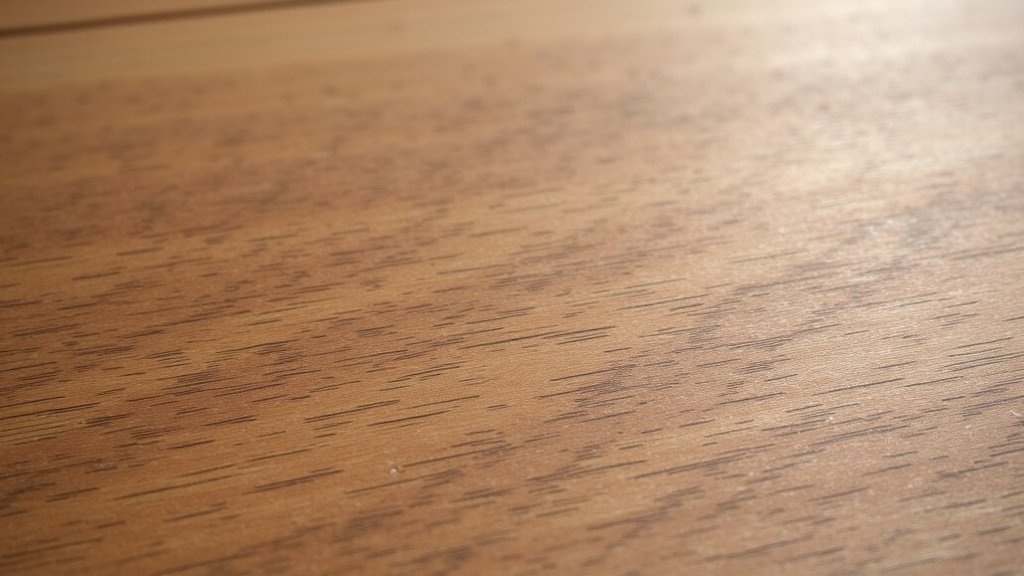
Oak typically has a light brown to reddish-brown color. Its grain pattern is often more pronounced than teak. You can see the wavy lines and knots. This gives it a classic, rustic look. Oak can be stained easily. This allows you to change its color to match your decor. It’s a versatile wood for indoor use.
Comparing Performance in Different Settings
Where you plan to use your wood is super important. Teak and oak perform very differently depending on the environment. Think about sunshine, rain, and indoor conditions.
Teak: The Outdoor Champion
When it comes to outdoor furniture, teak shines. Its natural oils make it weather-resistant. You can leave teak furniture outside year-round. It handles rain, sun, and temperature changes well. It won’t crack or split as easily as other woods. It also resists mildew and mold. This means less worry about upkeep for your patio set. Many garden furniture makers prefer teak for its longevity (Outdoor Furniture Association).
Oak: Best Suited for Indoors
Oak is a fantastic choice for indoor furniture and flooring. It’s strong enough for daily use. Its beautiful grain looks great in any room. For outdoor use, oak needs help. You’ll need to apply a good quality sealant or paint. This protects it from rain and sun damage. Regular reapplication of these finishes is necessary. Otherwise, your oak patio table might not last long. It’s more of a fair-weather friend outdoors.
Cost and Availability: Practical Considerations
Beyond performance, price and how easy it is to find matter. These factors can influence your decision.
Teak’s Premium Price Tag
Teak is generally more expensive than oak. This is due to several factors. Teak trees take a long time to mature. Harvesting teak is also more regulated in many regions. Its natural resistance means less processing is needed. But the rarity and demand drive up the cost. You’re paying for its superior outdoor performance and low maintenance.
Oak’s Budget-Friendly Appeal
Oak is usually more affordable. It’s more widely available in many parts of the world. Oak trees grow faster and are more common. This makes it a more budget-conscious option for many projects. You get a beautiful, strong hardwood at a lower price. This is why it’s a popular choice for flooring and indoor furniture.
Making Your Decision: A Quick Checklist
Still on the fence? Consider these points to guide your choice:
- Where will it go? Outdoors (Teak) or Indoors (Oak)?
- What’s your budget? Higher budget (Teak) or Lower budget (Oak)?
- How much maintenance? Low maintenance (Teak) or Willing to seal/paint (Oak)?
- What look do you want? Silvery-gray weathered look (Teak) or Classic wood grain (Oak)?
- Need insect resistance? Yes (Teak) or No (Oak)?
We found that understanding these key differences helps a lot. Your intended use is the biggest factor. Teak is the clear winner for outdoor durability. Oak is a solid, beautiful choice for indoor spaces. By matching the wood’s natural strengths to your needs, you’ll make a smart choice you’ll be happy with for years to come.
Conclusion
You’ve seen how teak and oak stack up for your projects. Teak stands out for outdoor durability, thanks to its natural oils. It handles weather and pests with ease, but comes at a higher price. Oak is a strong, beautiful wood, perfect for indoor use like furniture and flooring. It’s more budget-friendly, but requires protection if you want to use it outside. Your best choice depends entirely on where you’ll place your furniture or flooring and how much maintenance you’re willing to do. Now you can make a confident decision for your home or garden.
Frequently Asked Questions
Can I use oak wood for outdoor furniture?
Yes, you can use oak for outdoor furniture, but it requires significant protection. You will need to apply a high-quality sealant or paint to shield it from moisture and UV rays. Without this treatment, oak is prone to damage from the elements.
How does teak hold up in the rain?
Teak is excellent in the rain. Its high natural oil content makes it highly resistant to water absorption, preventing warping and rot. This natural defense is why teak is a top choice for outdoor furniture that stays outdoors year-round.
Is teak wood more expensive than oak wood?
Generally, yes, teak wood is more expensive than oak wood. Teak is rarer and takes longer to mature, and its harvesting is often more regulated. This contributes to its higher cost compared to the more widely available oak.
Which wood is better for indoor flooring: teak or oak?
For indoor flooring, oak is usually the preferred choice. It’s strong, durable for high-traffic areas, and more budget-friendly. While teak can be used indoors, its premium price point makes it less common for flooring where oak offers comparable performance for less cost.
Will teak furniture turn gray if left outside?
Yes, teak furniture will naturally weather to a silvery-gray color when exposed to the sun and elements. This is a common and often desired aesthetic. You can maintain its original golden-brown color with regular cleaning and oiling, but the graying is a natural part of teak’s life outdoors.