Teak Wood vs Pine Wood: The Short Answer
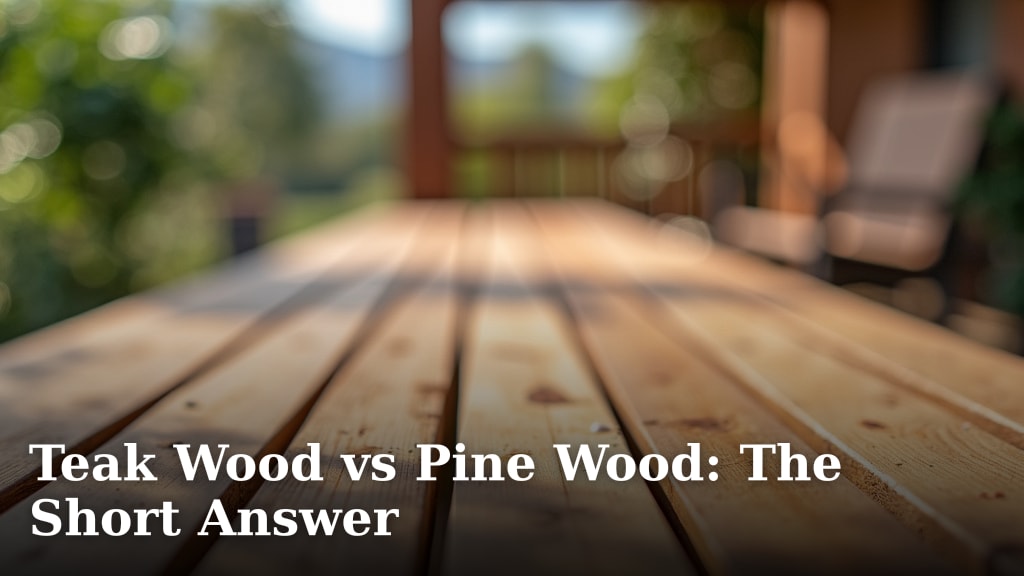
When comparing teak wood and pine wood, teak is generally considered the superior choice for outdoor furniture and applications where durability and weather resistance are key. Pine wood is more budget-friendly and easier to work with, but it requires more maintenance and is less resistant to the elements. You’ll want to pick based on your project’s needs and your budget.
Teak’s natural oils make it highly resistant to water, rot, and insects. This makes it a long-lasting investment for outdoor use. Pine, while beautiful, is a softer wood that is more prone to dents and damage from weather and pests. Many homeowners choose teak for its longevity and minimal upkeep, while pine is often selected for indoor projects or areas where it can be protected.
- Teak is highly durable and weather-resistant.
- Pine is more affordable but requires more care.
- Teak’s natural oils protect against rot and insects.
- Pine is softer and susceptible to damage.
- Choose teak for outdoor, high-moisture areas.
- Choose pine for indoor projects or protected spaces.
Let’s break down what makes each of these woods unique and help you decide which is best for your next project.
Teak vs. Pine: Which Wood is Right for Your Project?
Choosing between teak and pine wood can feel like a big decision. Both have their own special qualities. We’re here to help you sort through them. Think of it like picking a good friend for a job. You want someone reliable and suited for the task, right?
Understanding Teak Wood: The Tough Guy
Teak wood is famous for being incredibly tough. It’s a hardwood that comes from the Tectona grandis tree. These trees are native to South and Southeast Asia. Teak has a natural reputation for being a top-tier material. Many people consider it the gold standard for certain uses. Its dense grain and natural oils give it amazing properties.
What Makes Teak So Special?
The magic of teak lies in its natural oils. These oils act like a built-in shield. They repel water and prevent rot. This is why teak is so popular for outdoor furniture. It can handle rain, sun, and humidity without falling apart. Research shows these oils also make it resistant to insects like termites (Forest Products Laboratory).
Durability and Longevity
When you invest in teak, you’re investing in something that lasts. We’re talking decades, not just a few years. Its hardness means it resists dents and scratches. It holds up well even with heavy use. This makes it a smart choice for decks, patios, and boats. You won’t have to replace teak items very often.
Weather Resistance Champion
Teak’s ability to withstand the weather is its biggest selling point. It doesn’t warp or crack easily when exposed to the elements. It can sit outside year-round. Over time, teak will weather to a beautiful silvery-gray color. This is a natural process and doesn’t harm the wood.
Maintenance Needs
One of the best parts about teak is how little upkeep it requires. You don’t need to paint or seal it for protection. If you want to maintain its original golden-brown color, you can use a teak oil or sealer. But if you let it turn gray, that’s perfectly fine too. It requires minimal effort to keep it looking good.
The Downsides of Teak
There’s no getting around it: teak comes with a higher price tag. Because it’s so sought-after and durable, it’s more expensive than many other woods. This can make it a tough choice for budget-conscious projects. Also, while it’s easy to maintain, finding raw teak can sometimes be challenging due to sustainable forestry practices.
Exploring Pine Wood: The Budget-Friendly Choice
Pine wood is a softwood. It comes from pine trees, which are grown in many parts of the world. Pine is widely available and generally much more affordable than teak. It’s also lighter in weight and easier to work with, which appeals to many DIY enthusiasts.
Why People Choose Pine
Pine’s main appeal is its cost-effectiveness. It’s a great option when you need to furnish a space or build something without breaking the bank. It has a pleasant, light color and a visible grain pattern that many find attractive. Pine is also very easy to cut, shape, and fasten.
Ease of Workability
If you’re new to woodworking or enjoy DIY projects, pine is your friend. It cuts cleanly and doesn’t splinter as much as some other woods. You can easily drill holes, sand it smooth, and attach pieces with screws or nails. This makes it a forgiving material for beginners.
Finishing Options
Pine takes finishes very well. You can stain it to look like a more expensive wood, paint it any color you like, or leave it natural. Its light color is a perfect canvas for custom finishes. This versatility allows you to match pine furniture to your home’s decor.
The Challenges with Pine Wood
Pine’s biggest drawback is its softness. As a softwood, it can be easily dented or scratched. It doesn’t stand up well to rough handling or heavy wear and tear. This makes it less ideal for high-traffic areas or outdoor furniture that will be constantly used.
Susceptibility to Moisture and Pests
Unlike teak, pine does not have natural oils to protect it. It’s quite vulnerable to moisture. Left exposed to the elements, pine can rot, warp, and become home to insects. If you use pine outdoors, it absolutely needs to be treated and sealed regularly. This adds to its overall cost and maintenance effort.
Durability Concerns
Pine furniture might not last as long as teak furniture. It’s more prone to damage over time. For indoor use, it can be a perfectly good choice if you’re careful. However, for outdoor projects, you’ll find yourself needing to do repairs and refinishing more often. This is a key difference to consider.
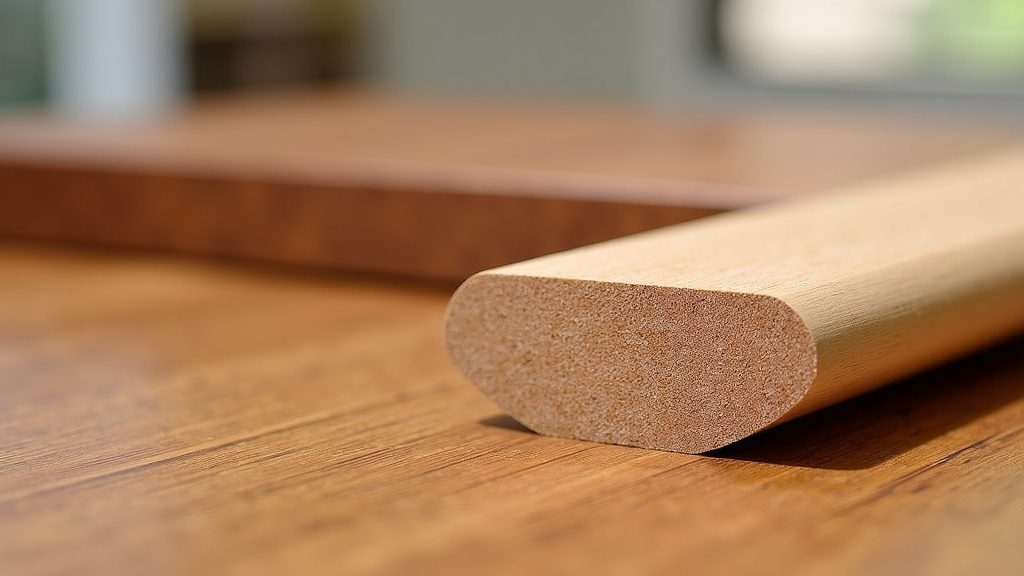
Teak vs. Pine: A Quick Comparison
Let’s look at how these two woods stack up side-by-side. It helps to see the main differences clearly.
| Feature | Teak Wood | Pine Wood |
|---|---|---|
| Type | Hardwood | Softwood |
| Durability | Very High | Moderate to Low |
| Weather Resistance | Excellent | Poor (Needs treatment) |
| Insect/Rot Resistance | Excellent (Natural oils) | Poor (Needs treatment) |
| Maintenance | Low | High (If exposed) |
| Cost | High | Low |
| Workability | Moderate | Easy |
| Appearance | Rich, golden-brown (weathering to gray) | Light color, visible grain |
Making Your Final Decision: What’s Best for You?
So, which wood should you choose? The answer really depends on your project and your priorities. Think about where the item will go and how it will be used.
- For outdoor furniture: Teak is usually the winner. It can handle the weather and last for years with little fuss.
- For indoor furniture: Pine can be a great, affordable choice. Just be mindful of its softness.
- For high-moisture areas: Stick with teak. Its natural resistance to water and rot is hard to beat.
- For budget projects: Pine is a clear winner. You get more for your money.
- For DIYers who love to paint/stain: Pine offers more flexibility in finishes.
- For a long-term investment: Teak is the way to go. It pays for itself over time.
By considering these points, you can confidently select the wood that will best serve your needs and bring you joy for years to come.
Conclusion
Deciding between teak and pine wood boils down to your project’s needs and your budget. Teak stands out for its incredible durability and natural resistance to weather, rot, and insects, making it an excellent long-term investment for outdoor use. Pine wood offers a more affordable and easy-to-work-with option, but it requires more maintenance, especially if used outdoors. Consider where your furniture or project will live and how much upkeep you’re willing to do. For your next step, think about your specific project and choose the wood that aligns best with its demands and your personal preferences.
Frequently Asked Questions
Will pine wood rot if I leave it outside?
Yes, untreated pine wood is highly susceptible to rot and moisture damage when left outdoors. Its lack of natural oils means it needs regular sealing and protection to prevent decay. If you plan to use pine outside, be prepared for consistent maintenance.
Can I make pine furniture look like teak?
While you can stain pine to achieve a darker, richer color, it won’t replicate the dense grain and natural patina of teak. Pine’s softness also means it won’t age or wear with the same elegant look as teak over time. It’s best to appreciate pine for its own unique qualities.
How often should I seal teak outdoor furniture?
Teak furniture doesn’t require sealing for protection against rot or insects. Its natural oils handle that. If you want to maintain its original golden-brown color, applying a teak oil or sealer once a year is recommended. Otherwise, you can let it naturally weather to a beautiful silvery-gray.
Is teak wood too expensive for small projects?
Teak is a premium wood, and its cost can be a factor for smaller projects. For things like a small side table or decorative pieces, pine might be a more budget-friendly choice. However, if you need a very durable and weather-resistant item, even for a small project, teak’s longevity could make it a worthwhile investment.
What’s the easiest way to protect pine wood for outdoor use?
The best way to protect pine wood for outdoor use is to apply a good quality exterior-grade sealant or stain that contains UV protection and water repellents. You’ll also need to reapply this protection regularly, typically every year or two, depending on your climate.