Teak Wood vs Solid Wood: A Practical Guide
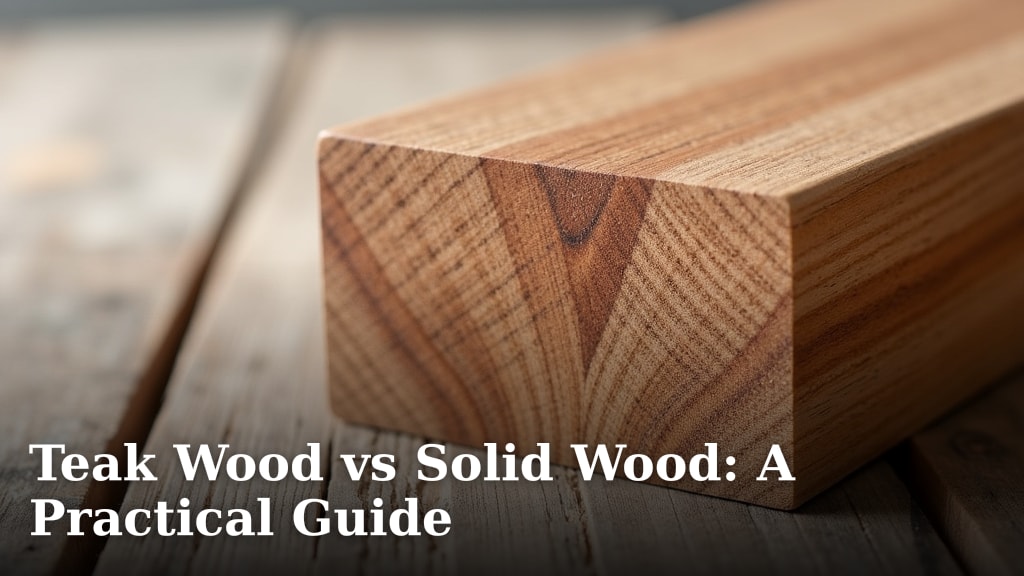
When choosing between teak wood and other solid wood furniture, teak often wins for outdoor use due to its natural oils and high density, making it very weather resistant. Solid wood is a broad category, and its suitability greatly depends on the specific type of wood.
Solid wood furniture is made entirely from a single type of tree, offering a natural beauty and durability. Teak is a specific type of hardwood, prized for its exceptional strength and resistance to decay, insects, and water, which is why it’s a popular choice for patio furniture and boat decks.
- Teak is naturally resistant to weather and insects.
- Solid wood varies greatly by type; some are very durable, others less so.
- Teak is generally more expensive than many common solid woods.
- Consider your budget and where the furniture will be placed.
Let’s walk through the practical differences to help you make the best choice for your needs.
Understanding Your Wood Choices: Teak vs. Other Solid Woods
When you’re furniture shopping, seeing the words “solid wood” can feel like a promise of quality. But did you know that “solid wood” is a big umbrella term? It means the furniture is made from actual wood from a tree, not particleboard or MDF. Yet, the durability and look can change a lot depending on which tree the wood came from. Teak is one specific type of solid wood, and it’s famous for standing up to the outdoors.
So, what’s the big difference? It often comes down to the natural properties of the wood. Teak has special qualities that make it a top pick for outdoor pieces like patio sets and garden benches. Other solid woods can be great too, but you might need to be more careful with them, especially if they’ll face the weather.
What Makes Teak So Special for Outdoor Use?
Think of teak as nature’s own waterproof, insect-proof material. This hardwood, which comes from the Tectona grandis tree, is packed with natural oils. These oils are like a built-in shield. They help protect the wood from moisture, rot, and even pesky insects like termites. We found that this natural defense is a big reason why teak furniture lasts for decades outdoors. Discover where teak wood comes from the Tectona grandis tree and its origins.
Teak’s natural oils also give it a beautiful, rich color that deepens with age. When new, it might have a golden-brown hue. Over time, especially when exposed to sunlight and rain, it often weathers to a soft, silvery gray. Many people love this aged look, finding it adds character and charm to outdoor spaces. It’s a look that just gets better with time, almost like a fine wine.
Teak’s Resistance to the Elements
Let’s talk about weather. Rain, sun, snow, and changing temperatures can be tough on wood. Other types of solid wood might crack, warp, or rot when constantly exposed. Teak, however, has a high density and those natural oils that help it resist swelling and shrinking. This means your teak table or chairs are much less likely to get damaged by the elements. It’s why you see teak used on boat decks – they’re pretty much always getting wet!
Natural Insect Repellency
Have you ever found tiny holes in wooden furniture from insects? Teak’s natural oils, particularly a substance called tectoquinone, act as a natural repellent. This makes it incredibly resistant to termites and other wood-boring insects. We found that this is a major advantage over many other types of wood that might need chemical treatments to keep bugs away. This means fewer worries about your furniture being eaten away.
Exploring the World of Other Solid Woods
When we talk about “solid wood” beyond teak, we’re opening up a whole world of options. Pine, oak, maple, cherry, walnut – the list goes on! Each type of wood has its own personality, strengths, and weaknesses. Some are naturally harder and more durable, while others are softer and might scratch more easily. Understanding these differences is key to picking the right furniture for your home.
The appeal of other solid woods is their variety. You can find woods with beautiful grain patterns, different colors, and textures to match any decor style. For indoor furniture, many of these woods are excellent choices. They offer a warm, natural feel that can make a room feel more inviting. The trick is knowing what to look for and where you plan to put the furniture.
Hardwoods vs. Softwoods
Generally, solid woods are divided into two categories: hardwoods and softwoods. This naming isn’t about how hard the wood feels, but rather the type of tree it comes from. Hardwoods come from deciduous trees (those that lose their leaves annually), like oak and maple. Softwoods come from coniferous trees (evergreens with needles and cones), like pine and fir.
Hardwoods are typically denser, stronger, and more resistant to wear and tear. This makes them a great choice for furniture that gets a lot of use, like dining tables or dressers. Teak, as we’ve discussed, is a hardwood known for its exceptional durability and weather resistance. Oak is another popular hardwood, known for its strength and distinctive grain, though it doesn’t have the same natural oil content as teak for outdoor protection.
Softwoods are generally lighter and less dense. Pine, for example, is a common softwood that’s more affordable and easier to work with. It’s often used for rustic or casual furniture. However, softwoods are more prone to scratches, dents, and damage from moisture if not properly sealed and maintained. We found that while they can be beautiful, they require more careful handling, especially in humid environments or high-traffic areas.
Factors Affecting Durability in Other Solid Woods
Beyond just being a hardwood or softwood, several other factors influence how well a solid wood furniture piece will hold up. One big one is the wood’s grain. A straight, tight grain is generally stronger than a wavy or open grain. The way the wood is cut and assembled also plays a role.
Consider moisture content. Wood expands and contracts with humidity changes. If a piece isn’t properly dried or sealed, it can warp or crack over time. For indoor furniture, this is less of a concern than for outdoor pieces, but it’s still something to keep in mind. We found that furniture made from kiln-dried wood is often more stable.
Finally, the finish applied to the wood matters. A good quality sealant or varnish protects the wood from spills, stains, and minor damage. The type of finish can also affect the look of the wood, from a matte natural appearance to a high-gloss shine. For outdoor furniture made from woods other than teak, a robust, waterproof finish is absolutely essential.
| Feature | Teak Wood | Other Common Solid Woods (e.g., Oak, Pine) |
|---|---|---|
| Natural Oils | High; provides excellent water, rot, and insect resistance. | Low to none; requires sealants for protection. |
| Outdoor Durability | Excellent; stands up well to weather and moisture. | Varies; hardwoods like oak are decent, but softwoods like pine are poor without significant protection. |
| Insect Resistance | Naturally high due to oils. | Low; susceptible to termites and wood borers without treatment. |
| Maintenance | Low; can be left to weather naturally or cleaned occasionally. | Moderate to high; requires regular cleaning, sealing, and potential refinishing. |
| Cost | Generally higher than most common solid woods. | Varies widely, from affordable softwoods to premium hardwoods. |
| Aesthetic | Develops a silver-gray patina over time, or can be maintained with oil. | Wide range of colors and grain patterns depending on the wood type. |
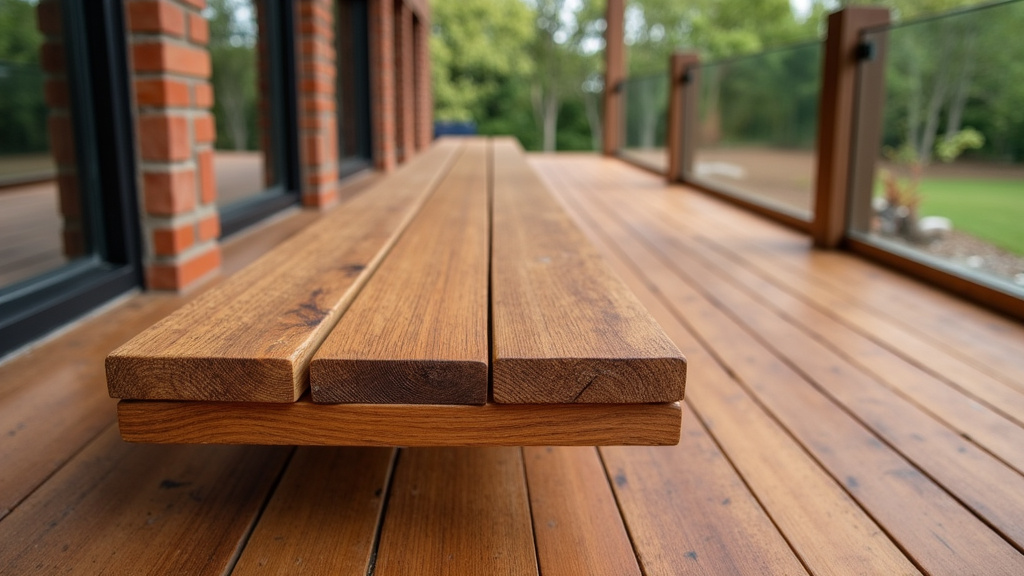
Comparing Costs: Teak vs. Other Solid Woods
Let’s talk about the elephant in the room – price. Teak is a premium material, and you’ll often find that teak furniture comes with a higher price tag. This is due to several factors: the slow growth of teak trees, the natural richness of the wood, and its exceptional durability. For many people, the longevity and low maintenance of teak make it a worthwhile investment, especially for outdoor pieces.
Other solid woods offer a broader price range. Pine, being a softwood, is usually one of the most affordable options. Hardwoods like oak can be moderately priced, while more exotic hardwoods can be just as expensive, if not more so, than teak. When budgeting for furniture, it’s important to consider not just the upfront cost, but also the potential cost of maintenance and replacement over time. We found that a cheaper piece that needs replacing every few years can end up costing more in the long run.
Making the Right Choice for Your Needs
So, how do you decide? It really boils down to where the furniture will live and how you plan to use it. For outdoor spaces that see a lot of sun, rain, and humidity, teak is often the champion. Its natural resistance means less worry about weather damage and pest infestations.
If your furniture will be mostly indoors, or in a covered patio area with minimal exposure, other solid woods can be fantastic choices. For example, a beautiful oak dining table can last for generations with proper care. A pine bookshelf can add a charming, rustic touch to a living room without breaking the bank. The key is to match the wood’s properties to its intended environment.
Key Considerations for Your Decision
To help you nail down your decision, let’s run through a quick checklist. Thinking about these points will steer you toward the best material for your furniture.
- Where will it go? Indoors, outdoors, covered patio, direct sun, high humidity?
- How much maintenance do you want to do? Are you happy to oil, seal, or refinish, or do you prefer low-maintenance?
- What’s your budget? Consider both the initial cost and the long-term value.
- What look are you going for? Do you love the natural graying of teak or the varied grains of oak?
- How long do you expect it to last? Are you looking for a piece that can be passed down, or something more temporary?
By weighing these factors, you can feel confident that you’re choosing furniture that will not only look good but also serve you well for years to come. It’s about finding that perfect balance of beauty, function, and practicality for your unique space.
Conclusion
Choosing between teak and other solid woods comes down to your priorities. Teak offers unmatched natural resistance to weather and pests, making it ideal for outdoor use with minimal fuss. Other solid woods provide a vast array of styles and price points, perfect for indoor settings or protected areas, but often require more care. We found that understanding the wood’s natural properties and your intended use is key. Your next step? Look at where your furniture will live and decide if teak’s premium durability or another solid wood’s versatile charm is the right fit for your home and lifestyle.
Frequently Asked Questions
Will teak furniture turn gray?
Yes, teak wood will naturally weather to a beautiful silvery-gray color when exposed to the elements. Many people prefer this aged look as it adds character. You can also maintain its original golden-brown color with regular cleaning and oiling if you prefer.
Can I use other solid woods outdoors?
You can, but it requires more attention. Hardwoods like oak can withstand some outdoor conditions, but they aren’t as naturally resistant as teak. Softwoods like pine are generally not recommended for direct outdoor exposure without robust protective finishes and regular maintenance.
Is teak always more expensive than other solid woods?
Generally, yes, teak tends to be one of the more expensive solid wood options. This is due to its slow growth, durability, and natural properties. While some exotic hardwoods can also be costly, common woods like pine are typically much more affordable.
How often does teak furniture need maintenance?
Teak requires very little maintenance. You can let it age naturally to a silvery gray and just clean it occasionally. If you want to preserve its golden color, you’ll need to clean and apply teak oil periodically, usually once or twice a year.
What’s the difference between hardwood and softwood for furniture?
Hardwoods come from deciduous trees and are typically denser, stronger, and more durable, making them great for high-traffic items. Softwoods come from coniferous trees, are generally lighter, and more affordable, but can be more prone to dents and scratches.