What Is Grade A Teak Wood? The Full Story

Grade A teak wood is the highest quality teak available. It comes from the center of the tree, called the heartwood. This wood is packed with natural oils that make it strong and beautiful. You’ll see it used for high-end outdoor furniture and boat decks.
The term “Grade A” refers to the wood’s density and appearance. This dense, oily wood is naturally resistant to decay and insects. It holds up well in harsh weather. This is why it’s a top choice for things that need to last outside, like your patio set.
- Grade A teak is the best teak.
- It comes from the tree’s heartwood.
- It’s full of natural oils for strength.
- This makes it weather-resistant.
- You see it in fine furniture and boats.
Let’s walk through exactly what makes Grade A teak so special and what you should know before you buy.
Understanding Grade A Teak: What Makes It the Best
So, you’re wondering what makes Grade A teak wood stand out? It all comes down to where it’s harvested from the tree and how that affects its quality and performance. Think of it like getting the prime cut of steak; it’s the part that offers the best flavor and texture.
Grade A teak is sourced from the heartwood of mature teak trees. This is the very center of the tree trunk. It’s the part that’s been around the longest and has developed the most character. Because it’s so mature, this wood is incredibly dense and rich in natural oils.
The Heart of the Matter: Why Heartwood Matters
Why is heartwood so important? It’s the tree’s life support system, packed with natural preservatives. These oils are like the tree’s own defense system, protecting it from decay, rot, and insects. When you use heartwood for furniture, you’re tapping into that natural protection.
We found that the higher the concentration of these natural oils, the more durable and weather-resistant the wood becomes. This is exactly what you want for outdoor furniture or boat decks that face the elements. The oils also give teak its beautiful golden-brown color and lovely grain patterns.
Color and Grain: The Visual Cues
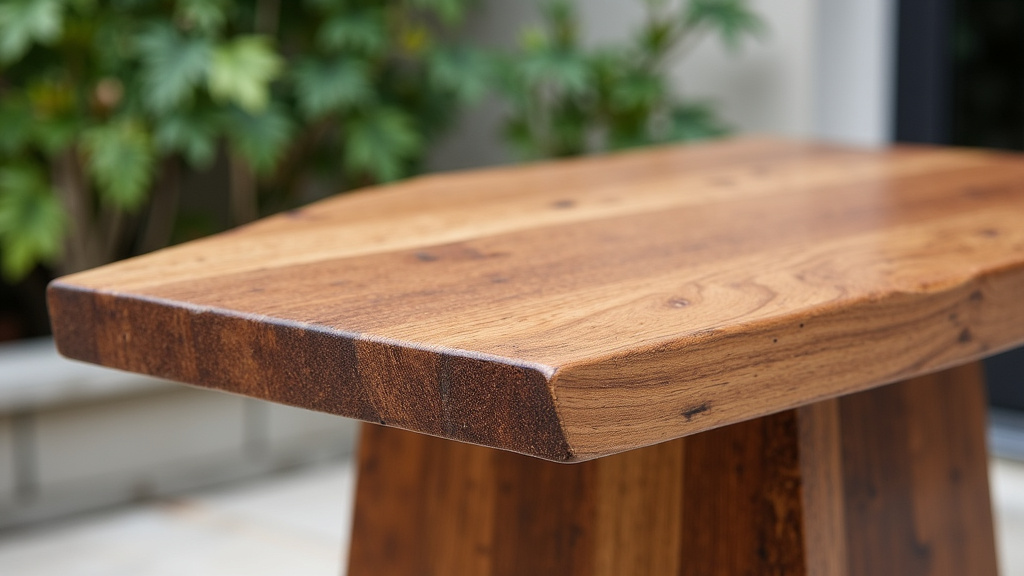
Visually, Grade A teak often shows a uniform golden-brown color. You might see some darker streaks, which are perfectly normal and add to its character. The grain is usually straight and even. This consistent appearance is a key indicator of its high quality.
On the other hand, wood from the outer layers of the tree, known as sapwood, is lighter in color and contains fewer oils. It’s less resistant to decay and doesn’t perform as well over time, especially outdoors. That’s why Grade A, from the heartwood, is always the preferred choice for longevity.
The Science Behind Teak’s Durability
The magic of teak lies in its natural composition. Those oils aren’t just for show; they are the secret sauce that makes teak so special. We looked into what makes this wood so incredibly tough.
Natural Oils: Nature’s Own Sealant
Teak wood contains a high amount of natural oils, particularly a substance called tectoquinone. Research has shown that tectoquinone acts as a natural fungicide and insecticide (NCBI). This means the wood is inherently protected against many common wood-destroying organisms.
These oils also make the wood naturally water-resistant. Instead of soaking up moisture like many other woods, teak repels it. This is why it’s the go-to material for boat building and outdoor furniture that will be exposed to rain and humidity. It simply doesn’t swell, warp, or rot easily.
Density and Strength: Built to Last
Grade A teak is also known for its density. Denser wood is generally stronger and more stable. This means it can withstand a lot of wear and tear without showing damage. You can set heavy items on it, or kids can play on it, and it holds up beautifully.
Many experts say the combination of natural oils and high density makes teak one of the most durable woods available (Forestry Bureau). This natural resilience means your teak furniture can last for decades, even generations, with proper care. It’s an investment that truly pays off in the long run.
What to Look For When Buying Grade A Teak
Now that you know what makes Grade A teak so good, how do you make sure you’re actually getting it? It’s not always obvious, so a little knowledge goes a long way.
Appearance and Color Consistency
As mentioned, Grade A teak typically has a uniform golden-brown color. While some variations are natural, avoid wood that looks very pale, splotchy, or has a lot of sapwood (the lighter, outer layer). A consistent color suggests it’s primarily heartwood.
Wood Grain and Texture
Look for teak with a straight, even grain. Teak wood should feel smooth to the touch, but not overly polished, as the natural oils can give it a slightly waxy feel. A fine texture is generally associated with higher grades.
Certification and Source Matters
Reputable manufacturers often provide information about the source of their teak. Look for teak that is sustainably harvested, often certified by organizations like the Forest Stewardship Council (FSC). This ensures the wood comes from responsibly managed forests and isn’t contributing to deforestation.
We found that asking sellers about their grading system and where their wood comes from is always a good idea. If they can’t provide clear answers, it might be a sign to look elsewhere. Transparency is key when you’re investing in high-quality teak.
Comparing Teak Grades: A Quick Look
While Grade A is the gold standard, there are other grades of teak. Understanding these can help you appreciate why Grade A is so sought after.
| Grade | Description | Best Use |
|---|---|---|
| Grade A | Heartwood, dense, high oil content, uniform color. Extremely durable. | High-end outdoor furniture, boat decks, architectural elements. |
| Grade B | Mix of heartwood and sapwood, slightly less dense and oily. Good durability. | Interior furniture, some outdoor applications where longevity is less critical. |
| Grade C | Mostly sapwood, lower oil content, less dense. Prone to rot and insects. | Sometimes used for interior trim or decorative elements, but not recommended for outdoor use. |
As you can see, Grade A teak offers the best combination of beauty, strength, and longevity. The other grades simply don’t have the same natural protection or aesthetic appeal.
Your Teak Checklist: What to Remember
Ready to make sure you’re getting the best? Keep this handy checklist in mind:
- Look for rich, golden-brown color.
- Ensure a straight, even grain pattern.
- Feel for that smooth, slightly oily texture.
- Ask about the source and sustainability.
- Prioritize heartwood for ultimate durability.
- Trust reputable sellers and brands.
Conclusion
You now know that Grade A teak wood is the ultimate choice for enduring beauty and strength. Its superior quality comes from the dense heartwood, packed with natural oils that provide incredible resistance to weather, rot, and insects. This makes it perfect for high-quality outdoor furniture and boat building. By understanding the visual cues like color and grain, and by choosing sustainably sourced wood from reputable sellers, you can confidently invest in teak that will last for generations. Your next step is to use this knowledge to select furniture that truly stands the test of time.
Frequently Asked Questions
Is all teak wood the same quality?
No, teak wood quality varies significantly. Grade A teak comes from the heartwood of mature trees and has the highest concentration of natural oils and density. Lower grades, like B and C, often include sapwood, which is less resistant to decay and elements.
How can I tell if teak is Grade A just by looking at it?
Grade A teak typically displays a uniform golden-brown color with a straight, even grain pattern. While natural variations exist, avoid wood that appears very pale, splotchy, or has significant light-colored sapwood. A slightly waxy feel is also a good indicator of natural oils.
Do I need to seal or treat Grade A teak?
While Grade A teak is naturally resistant, regular cleaning will help maintain its appearance. If you prefer to keep its golden-brown color, you can apply a teak oil or sealant annually. Otherwise, left untreated, it will naturally weather to a beautiful silvery-gray patina.
How long can Grade A teak furniture last?
With proper care and maintenance, Grade A teak furniture can last for 50 years or even longer, often becoming an heirloom piece. Its natural oils and dense structure protect it exceptionally well against the elements, making it a wise long-term investment.
Is Grade A teak expensive?
Yes, Grade A teak is generally more expensive than other wood types and lower grades of teak. This higher cost reflects its superior quality, durability, and natural resistance. You are paying for wood that offers exceptional longevity and beauty, especially for outdoor use.