Why Is Teak Resistant to Rot? A Few Key Facts
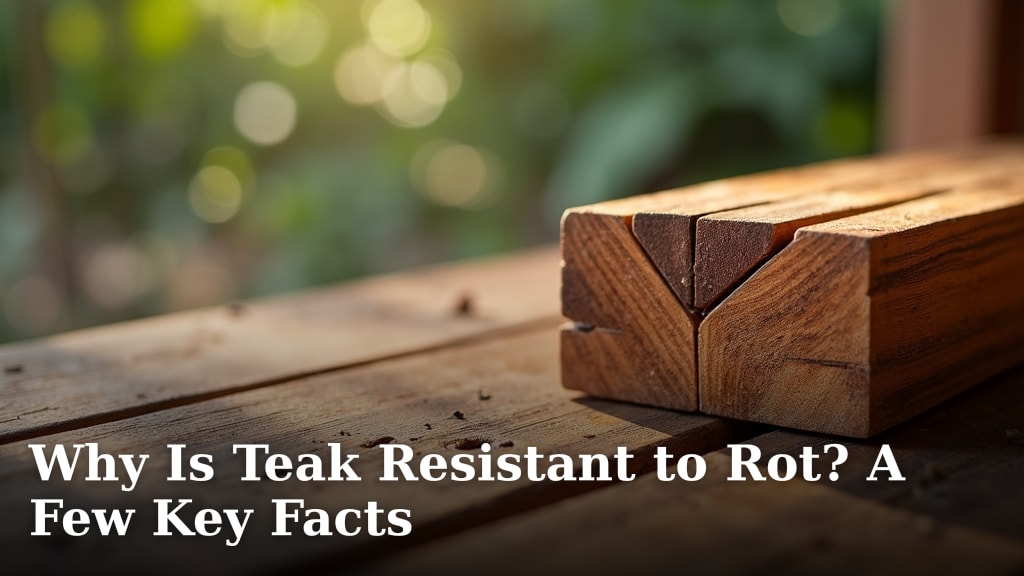
Teak wood is resistant to rot because it contains a high concentration of natural oils. These oils act as a water repellent and also deter insects. This makes teak an excellent choice for outdoor furniture and boat building.
Beyond its oily nature, teak also has a dense grain structure. This density further helps to resist moisture penetration. It’s this combination of natural oils and dense wood that gives teak its impressive durability.
- Teak’s rot resistance comes from its natural oils.
- These oils repel water and keep pests away.
- Dense grain structure also helps keep moisture out.
- This makes teak ideal for outdoor use.
Let’s look closer at the specific reasons why teak stands up so well to the elements.
What Makes Teak Wood So Great Against Rot?
You might be wondering, what exactly gives teak its impressive ability to fight off rot and decay?
It’s a combination of nature’s own chemical engineering. Teak wood is blessed with a natural defense system. This system works overtime to keep it looking good for years, even when exposed to the weather. Learn more about where teak wood comes from and its natural defense system.
The Power of Natural Oils in Teak
One of the biggest heroes in teak’s rot-resistant story is its natural oils. These aren’t just any oils; they are uniquely suited to protect the wood.
How Oils Act as a Barrier
Think of these oils like a built-in raincoat for the wood. They are distributed throughout the teak’s structure. This makes it very difficult for water to soak in and cause damage. Many studies confirm that the high oil content is teak’s primary defense against decay (NCBI).
When water can’t penetrate, the conditions needed for rot and mold to grow are significantly reduced. This is a huge advantage over woods that readily absorb moisture.
Deterring Pests and Insects
These natural oils also do more than just repel water. They have a scent and chemical composition that many wood-eating insects simply don’t like. This means termites and other pests are less likely to make a meal out of your teak furniture.
Research has shown that these compounds are a natural deterrent. They make the wood unappealing to the organisms that cause rot and structural damage. This is a big reason why teak is so popular for outdoor applications.
Teak’s Dense Grain Structure
Beyond the oils, the very structure of teak wood plays a vital role. Teak has a very dense grain. This isn’t just about looks; it’s about performance.
Moisture Resistance from Density
A tighter, denser grain means fewer pathways for moisture to travel deep into the wood. Imagine trying to push water through a tightly packed sponge versus a loosely woven cloth. The tightly packed material resists absorption much better.
This density further supports the oil’s barrier effect. It makes the wood less porous. So, even if some surface moisture gets past the oils, the dense structure helps to limit how far it can go. This keeps the inner wood dry and healthy.
Comparing Teak to Other Woods
Many common outdoor woods, like pine or fir, have a much more open grain. They tend to absorb moisture quickly. This can lead to swelling, warping, and eventually rot if not properly sealed and maintained.
Teak, with its natural oils and dense grain, bypasses many of these issues. It’s like comparing a sports car designed for harsh conditions to a basic sedan. Both get you there, but one is built for durability.
| Feature | How it Helps |
|---|---|
| Natural Oils | Repel water, deter insects, act as a natural preservative. |
| Dense Grain | Limits moisture absorption, resists swelling and warping. |
| Chemical Composition | Contains compounds that actively resist fungal growth. |
The Role of Teak’s Natural Chemicals
We’ve talked about the oils and the density, but there’s another layer to teak’s defense. Teak naturally contains compounds that actively fight off decay.
Fungal Resistance
Fungi are a primary cause of wood rot. They feed on wood fibers, breaking them down. However, teak wood contains substances called extractives.
These extractives are natural chemicals produced by the tree itself. They act as a defense mechanism for the living tree. When the wood is harvested, these protective chemicals remain.
A Natural Antiseptic
These extractives can be thought of as a natural antiseptic for the wood. They create an environment where fungi and bacteria struggle to survive and multiply. This further enhances teak’s resistance to rot.
We found research indicating that these compounds are key to teak’s long-term stability outdoors. They prevent the initial stages of fungal attack that can plague other woods. It’s a clever bit of natural engineering.
Why Teak is Perfect for Outdoor Furniture
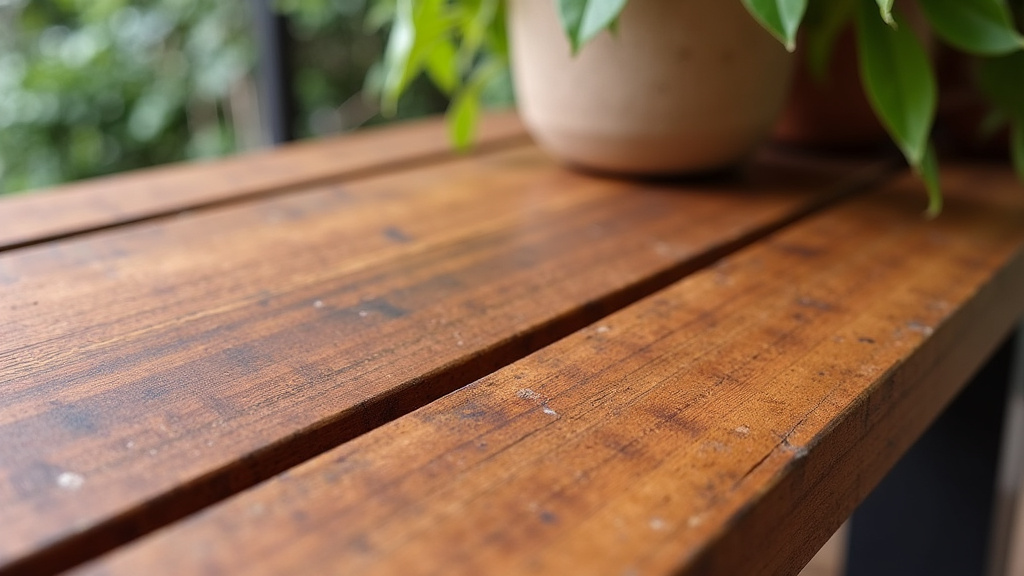
When you put it all together, it’s easy to see why teak is such a popular choice for outdoor furniture, decking, and boat building. It’s built to withstand the elements.
Battling the Elements
Your outdoor furniture faces a constant barrage. There’s sun, rain, humidity, and temperature changes. These conditions are tough on most materials.
Teak’s natural oils help it resist water damage and UV rays. The dense grain keeps it stable, reducing warping. Its natural chemicals fight off the mold and mildew that love damp environments.
Low Maintenance Benefits
Because teak is so naturally resistant, it requires much less maintenance than many other outdoor materials. You don’t need to constantly seal or paint it to protect it from rot.
While you might choose to oil it for a richer color, it’s not always essential for its longevity. This low-maintenance aspect is a big draw for many shoppers looking for durable, long-lasting pieces. If you prefer the original golden-brown color, you can apply a teak oil for added protection.
Caring for Your Teak: What You Need to Know
While teak is incredibly durable, a little care can go a long way. Understanding its natural properties helps you make informed decisions.
Maintaining the Golden Hue
Over time, exposed teak will naturally weather to a beautiful silver-gray. This is a sign of aging, not decay. If you prefer the original golden-brown color, you can apply a teak oil or sealant.
These products replenish some of the natural oils and provide UV protection. They help maintain the wood’s original color and can add an extra layer of defense, though teak is hardy even without them.
Cleaning Your Teak
Cleaning is usually straightforward. A gentle wash with mild soap and water is often enough to remove dirt and grime. For tougher stains or mildew, a specialized teak cleaner can be used.
Always rinse thoroughly after cleaning. This prevents soap residue from attracting dirt. Your goal is to keep the wood clean and free of debris that could trap moisture.
Key Takeaways for Teak Durability
So, to sum it up, here are the main reasons your teak items are so resistant to rot:
- Natural Oils: Act as a water repellent and insect deterrent.
- Dense Grain: Limits moisture penetration and wood swelling.
- Protective Chemicals: Naturally inhibit fungal and bacterial growth.
- Low Maintenance Needs: Requires less upkeep due to its inherent durability.
- Weather Resistance: Stands up well to sun, rain, and humidity.
Conclusion
You now know what makes teak wood so resistant to rot. It’s a smart combination of nature’s own defenses working together. The high concentration of natural oils acts as a barrier against water and pests. Teak’s dense grain structure further prevents moisture from soaking in. Plus, its natural chemicals actively fight off decay-causing fungi.
This means your teak furniture or outdoor pieces are built to last. They can handle the weather with minimal fuss. You can enjoy your teak items for years to come, knowing they’re protected by these amazing natural properties. Ready to choose teak for your next outdoor project?
Frequently Asked Questions
Does teak wood get damaged by rain?
No, teak wood is highly resistant to rain damage. Its natural oils repel water, preventing it from soaking into the wood. This significantly reduces the risk of rot and decay, even in wet conditions.
How long does teak furniture typically last?
With proper care, teak furniture can last for decades, often 50 years or more. Its natural resistance to rot, decay, and insects allows it to withstand outdoor elements exceptionally well over a very long time.
Do I need to seal teak wood to prevent rot?
You don’t need to seal teak wood specifically to prevent rot. Its natural oils and dense grain provide excellent protection. Sealing is more for maintaining the original color or adding extra protection against UV rays.
Will insects eat teak furniture?
Insects like termites generally avoid teak wood. The natural oils within teak contain compounds that act as a deterrent, making the wood unappealing to many wood-boring pests.
What causes teak wood to turn gray?
When left untreated outdoors, teak wood naturally oxidizes and weathers to a beautiful silver-gray color. This is a cosmetic change due to sun exposure and is not a sign of rot or damage.